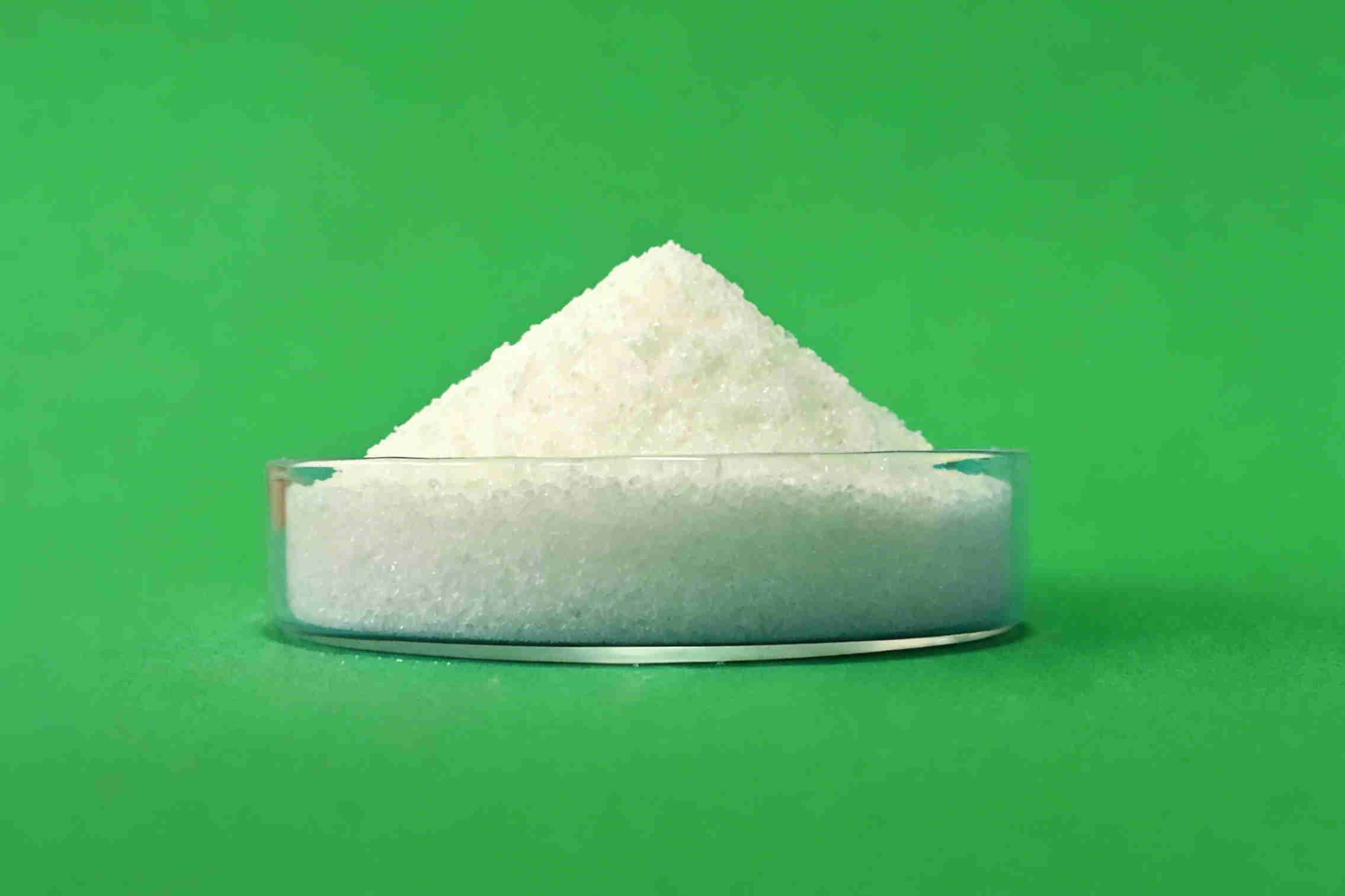
1. Product Description
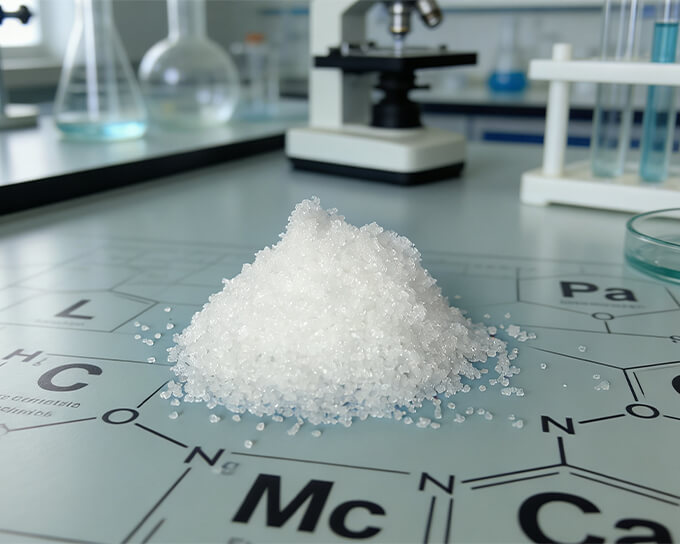
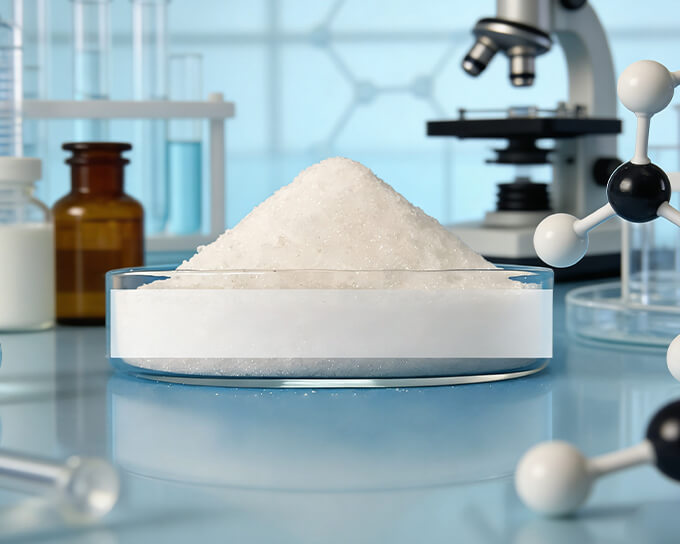
Polyacrylamide (PAM) is a water-soluble polymer, insoluble in most organic solvents. It exhibits excellent flocculation performance and can reduce friction resistance between liquids. By ionic characteristics, PAM is classified into four types: nonionic, anionic, cationic, and amphoteric.
2. Main Applications
• Sludge dewatering
• Municipal sewage and organic wastewater treatment
• Flocculant for drinking water treatment using river/lake sources
• Paper strengthening agent and processing aids
• Oilfield chemical additives (clay stabilizer, acid thickener, etc.)
3. Anionic Polyacrylamide (APAM)
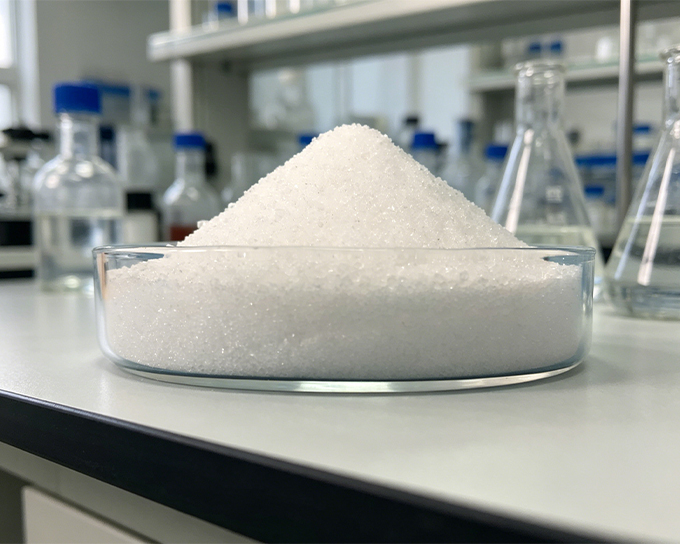
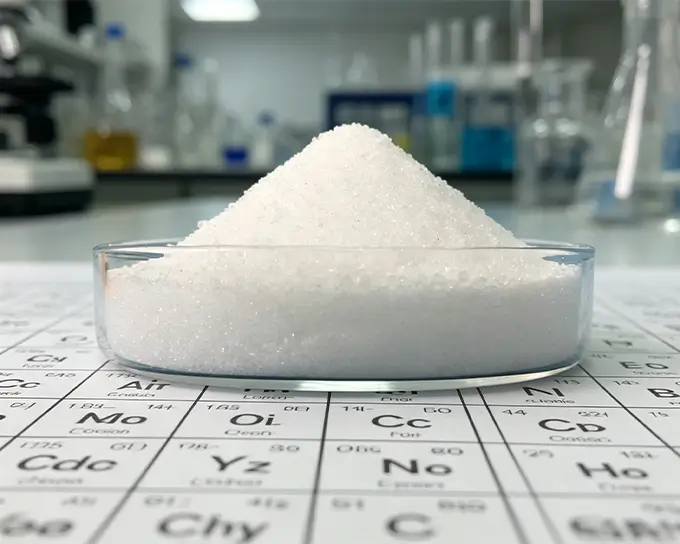
Appearance: White powder/granules
Molecular weight: 6–25 million
Good water solubility; soluble in water at any ratio, insoluble in organic solvents
Effective pH range: 7–14
Acts as a high polymer electrolyte in neutral/alkaline media; sensitive to salt electrolytes; crosslinks with polyvalent metal ions to form insoluble gels.
Applications
• Industrial wastewater treatment (steel, electroplating, metallurgy, coal washing)
• Drinking water clarification
• Starch and alcohol wastewater recovery (recycling starch/lees for feed)
Packaging & Storage
Non-toxic. Protect from moisture, rain, and direct sunlight.
Shelf life: 2 years
Packaging: 25 kg paper bag (inner plastic liner)
APAM Specifications
| Item | Unit | Value |
| Appearance | – | White powder |
| Solid content | % | ≥92 |
| Molecular weight | 10⁴ | 600–2500 |
| Intrinsic viscosity | – | 17.5–19.4 |
| Hydrolysis degree | % | 22.5–27.5 |
| Filter ratio | – | ≤1.5 |
| Viscosity | mPa·s | ≥38.0 |
| Residual monomer | % | ≤0.05 |
| Screen factor | – | ≥20.0 |
| Dissolution rate | h | ≤1.5 |
4. Cationic Polyacrylamide (CPAM)
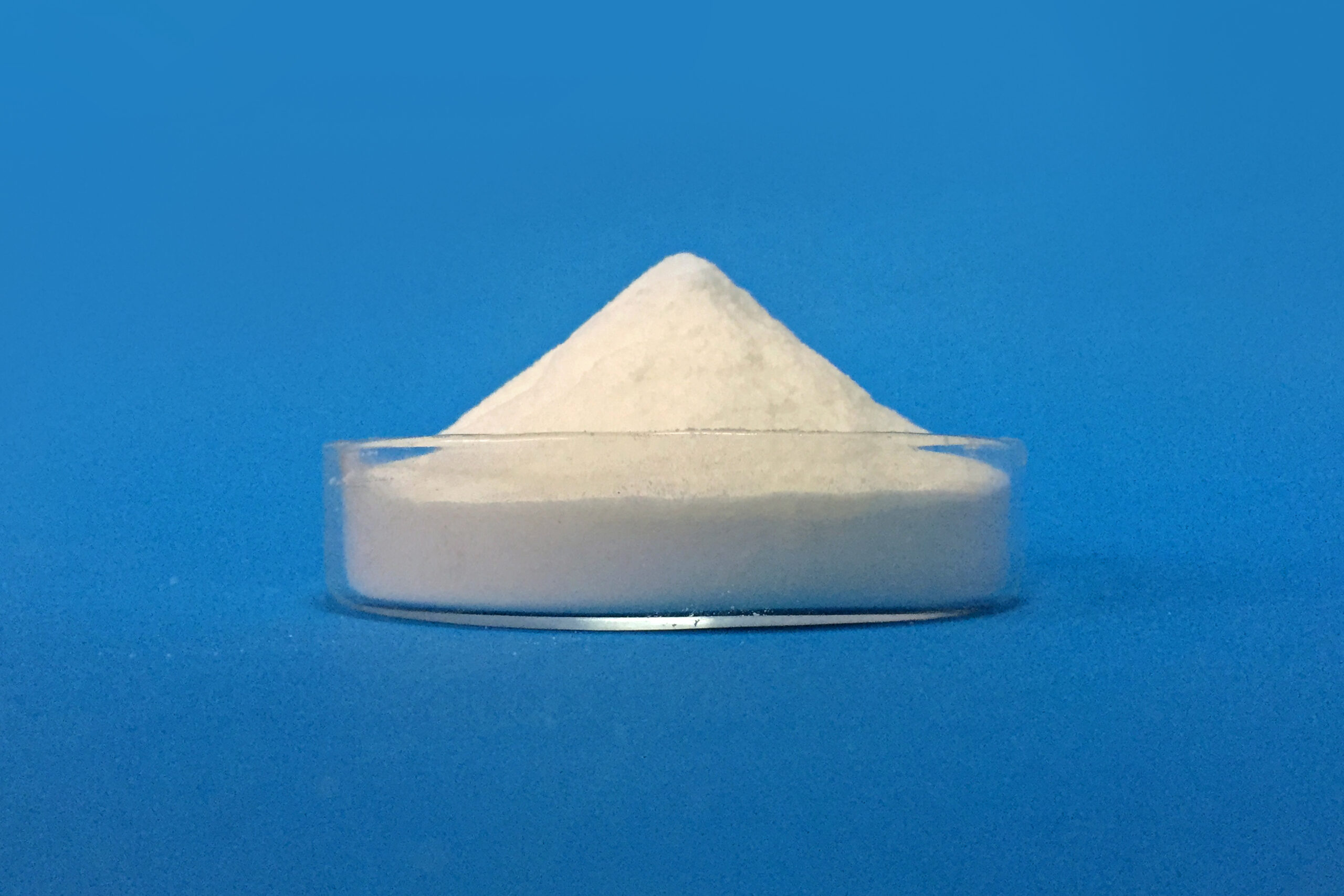
Appearance: White powder/granules
Molecular weight: 8–15 million
Ionicity: 20%–55%
Good water solubility; effective pH range: 1–14
High polymer electrolyte; suitable for negatively charged, organic-rich wastewater.
CPAM is a linear polymer with multiple active groups that form hydrogen bonds via adsorption. It flocculates negatively charged colloids, providing clarification, decolorization, adsorption, and bonding.
Applications
• Sludge dewatering (municipal, paper, industrial sludges)
• Organic wastewater treatment (brewing, food, textile, dyeing)
• Drinking water flocculant
• Oilfield chemicals
• Paper additives (strengthening, retention, drainage)
Packaging & Storage
Non-toxic. Protect from moisture, rain, sunlight.
Shelf life: 2 years
Packaging: 25 kg kraft paper bag (plastic liner)
CPAM Specifications
| Item | Unit | Value |
| Appearance | – | White powder |
| Solid content | % | ≥90 |
| Molecular weight | 10⁴ | 300–1200 |
| Hydrolysis degree | % | 10–60 |
| Dissolution time | h | ≤1.5 |
| Residual monomer | % | ≤0.05 |
5. Nonionic Polyacrylamide (NPAM)
NPAM is a water-soluble polymer/polyelectrolyte. Polar groups adsorb suspended particles, bridge particles, or neutralize charges to form large flocs, accelerating settling and filtration.
Key Applications
• Solid–liquid separation (sedimentation, clarification, thickening, dewatering)
• Paper dry strength agent, retention/drainage aid
• Fiber slurry (asbestos–cement) processing
• Mining, coal wastewater clarification
• Dyeing, leather, oily wastewater treatment
• Gypsum separation in wet-process phosphoric acid
• Drinking water flocculant
NPAM Specifications
| Molecular weight (10⁶) | Solid content (%) | Effective pH | Ionicity (%) | Residual monomer (%) | Dissolution time (h) |
| <1 | ≥90 | 1–8 | ≥3 | ≤0.05 | 1 |
| 2–3 | ≥90 | 1–8 | ≥3 | ≤0.05 | 1 |
| 4–5 | ≥90 | 1–8 | ≥3 | ≤0.05 | 1 |
| 6–9 | ≥90 | 1–8 | ≥3 | ≤0.05 | 1 |
| ≥10 | ≥90 | 1–8 | ≥3 | ≤0.05 | 1 |
6. Amphoteric Polyacrylamide (ACPAM)
Contains both cationic and anionic groups. Performs better than single ionic types. Stable over wide pH range; higher filtration rate, lower cake moisture. Suitable for complex wastewater, acid leaching, metal recovery.
Applications
• Oilfield profile control and water shutoff
• Complex organic/inorganic wastewater treatment
• Sludge dewatering (difficult biochem. sludge, dead sludge)
• Paper processing aids
Packaging & Storage
Non-toxic. Protect from moisture, rain, sunlight.
Shelf life: 2 years
Packaging: 25 kg kraft paper bag (plastic liner)
ACPAM Specifications
| Type | Appearance | Solid content (%) | Molecular weight (10⁴) | Ionicity (%) | Insolubles (%) | Dissolution time (min) | Usage |
| Equal ratio | White granules | ≥90 | 300–1500 | Any | ≤0.1 | ≤90 | Difficult flotation wastewater, biochem sludge |
| Anionic > cationic | White granules | ≥90 | 300–1500 | Any | ≤0.1 | ≤90 | EOR, industrial wastewater |
| Cationic > anionic | White granules | ≥90 | 300–1500 | Any | ≤0.1 | ≤90 | Difficult organic sludge, municipal/paper sludge |
7. Application Guidelines
• Dissolve PAM to 0.01%–0.05% solution before use.
• When blending with inorganic flocculants, dissolve separately.
• Add inorganic flocculant first, then PAM solution.
• Anionic PAM: alkaline media
• Cationic PAM: acidic media
• Nonionic PAM: acidic or weakly alkaline media
• Do not store in iron containers.
• Prepare fresh solution; performance degrades over time (faster at lower concentration).