

News
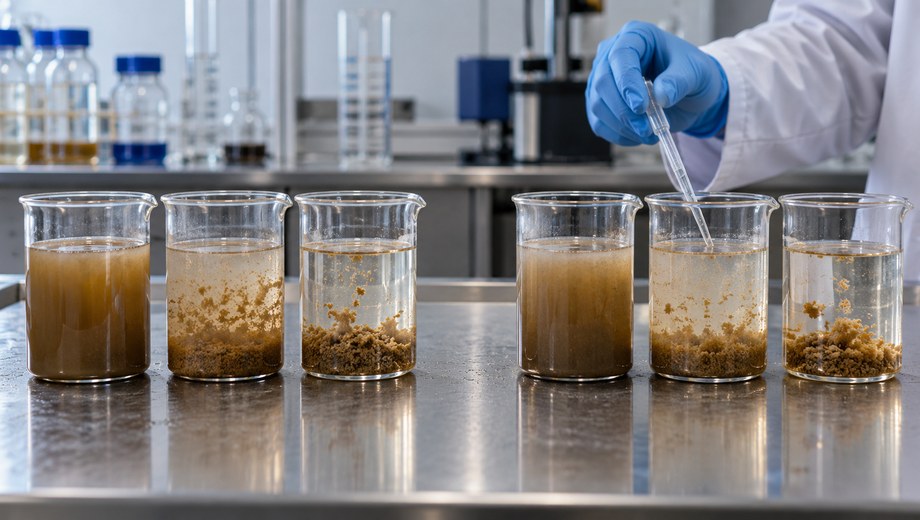
A process can operate without PAM when another treatment arrangement consistently meets its required separation and operating targets. That does not mean potassium alum reproduces…

The condition of a potassium alum shipment depends on the product, packaging, loading environment and handling history. A long voyage does not automatically make the…
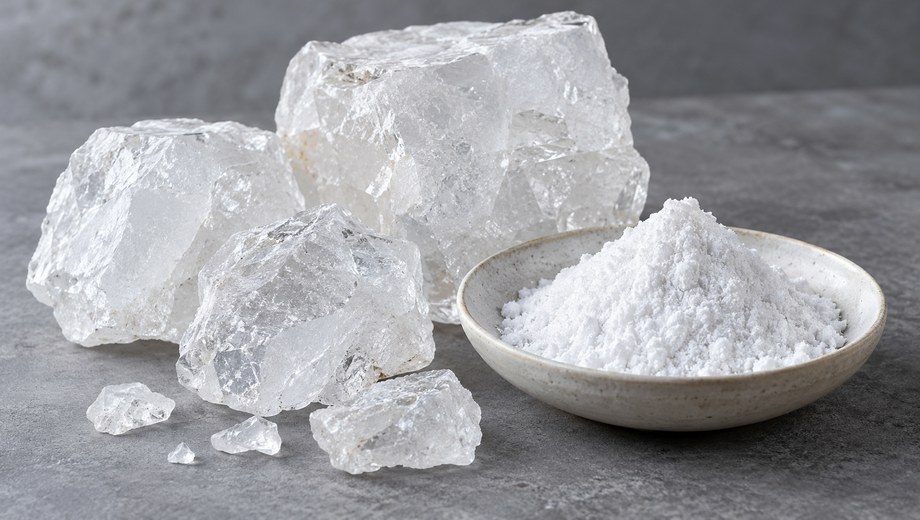
Potassium alum crystals and powder can supply the same chemical in forms that behave differently during handling and preparation. Powder often dissolves faster when it…
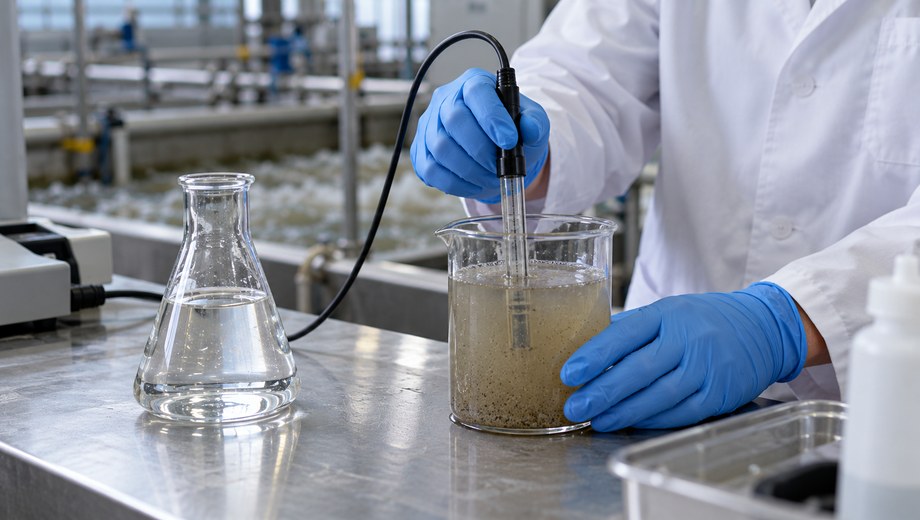
There is no single best pH for every anionic, cationic or nonionic PAM. pH can change the particles, the polymer and any inorganic coagulant used…
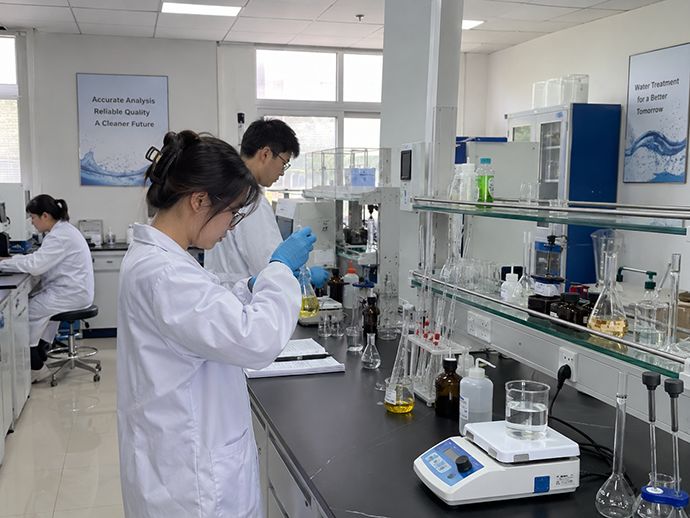
PAC and PAM are often evaluated together because they address different parts of particle separation. PAC can destabilize colloids and support the formation of initial…
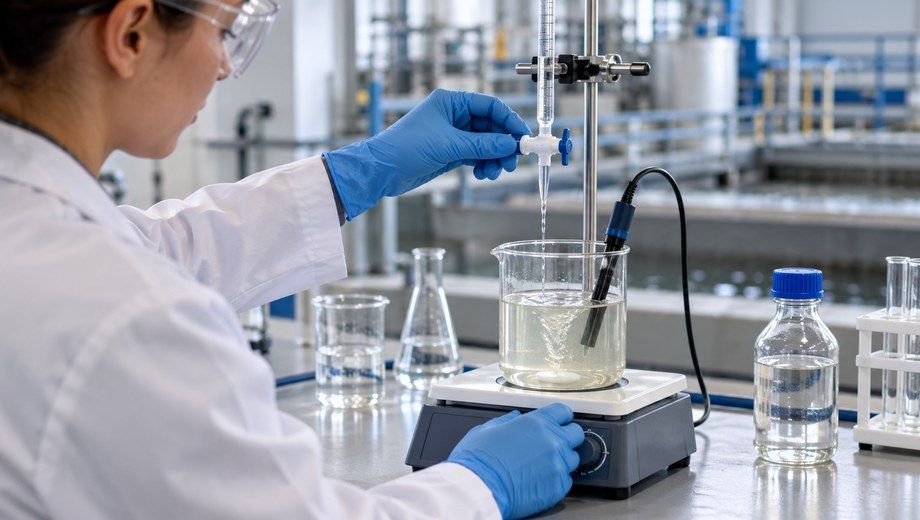
Before neutralizing acidic and alkaline wastewater, ask whether valuable chemicals can be kept out of the mixed waste stream. A concentrated, well-characterized stream may offer…
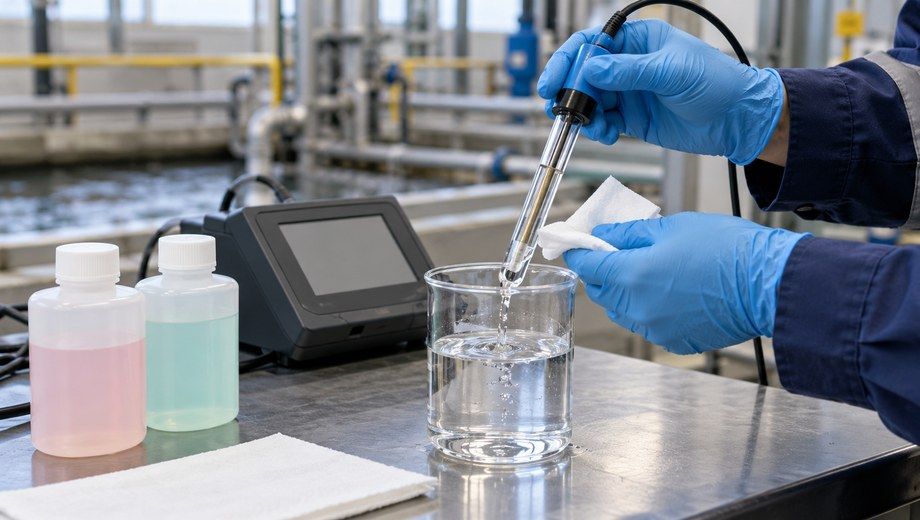
Reliable wastewater neutralization and pH control require more than an initial pH reading and a reagent pump. Determine the stream’s neutralizing demand, allow adequate reaction…
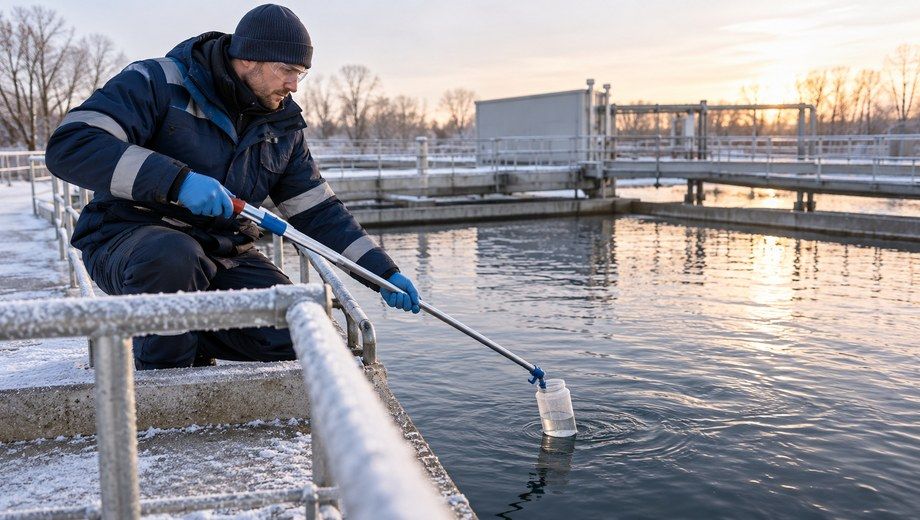
A PAC program that performs well in warm weather may need adjustment when the water becomes colder. However, winter does not automatically call for a…
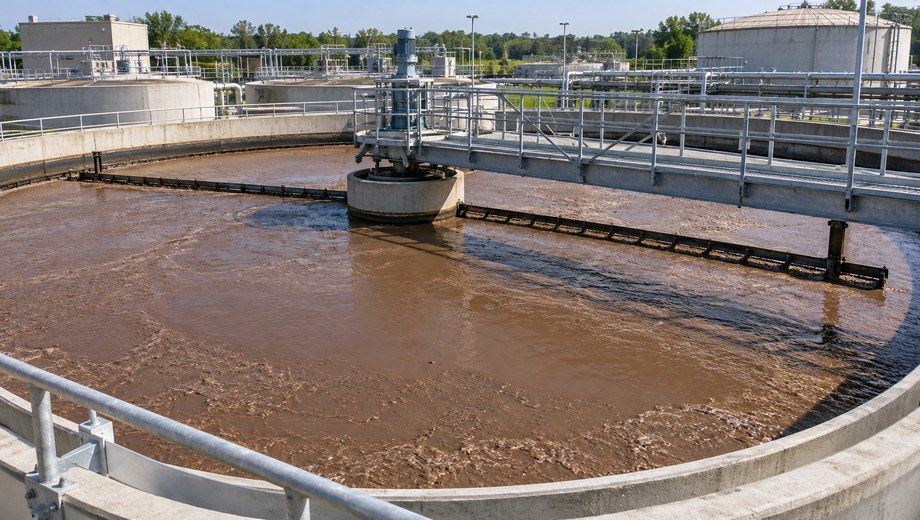
Anionic PAM can be worth evaluating for some sludge thickening duties, but it is not the automatic choice for municipal sludge. Meanwhile, cationic polymers are…
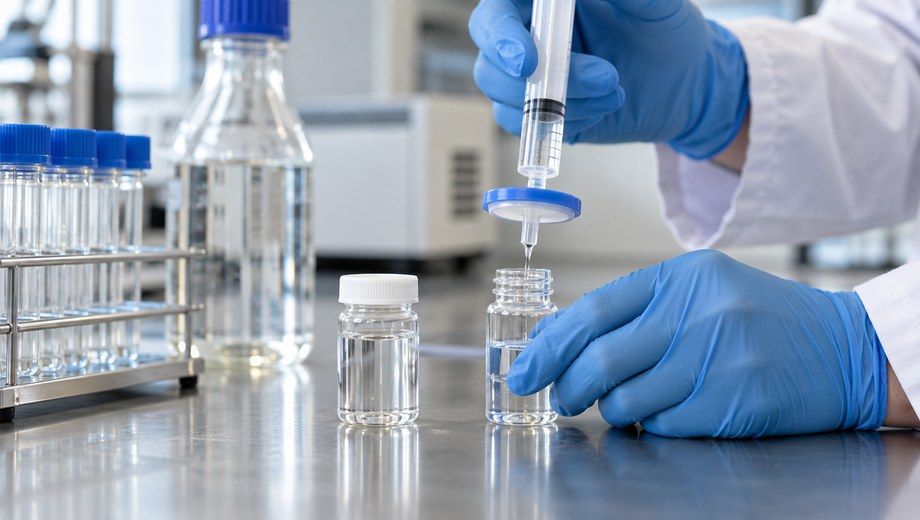
Reducing residual aluminum in PAC treatment starts with identifying what remains in the water. If fine aluminum-containing flocs are escaping, separation performance needs attention. If…
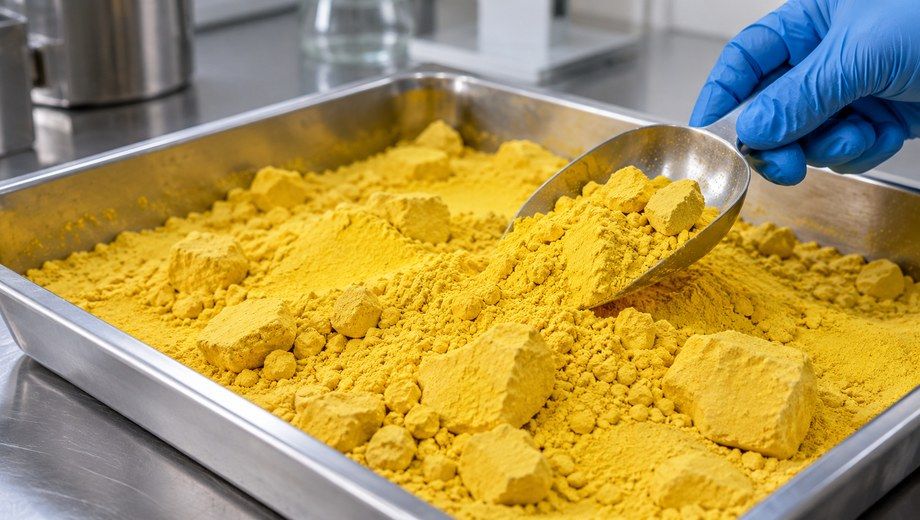
A stored PAC batch should be judged against its specification and intended use, rather than age or appearance alone. Powder can become caked while retaining…
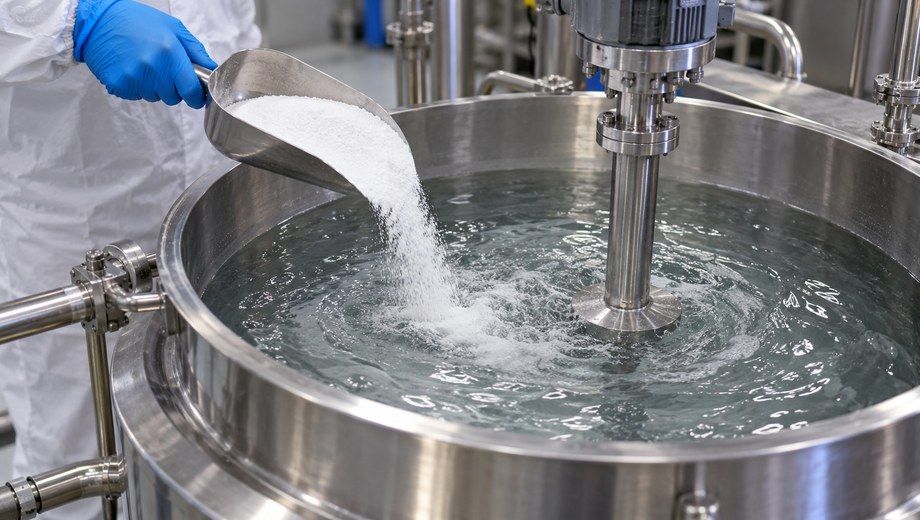
To dissolve PAM powder reliably, disperse the particles before they form wet agglomerates. Add the powder at a controlled rate into moving water, then allow…
Hot Products

Provide samples, COA, MSDS, and customs declaration documents

Support customized packaging, OEM, and provision of COA & MSDS

High purity, low impurities, stable performance
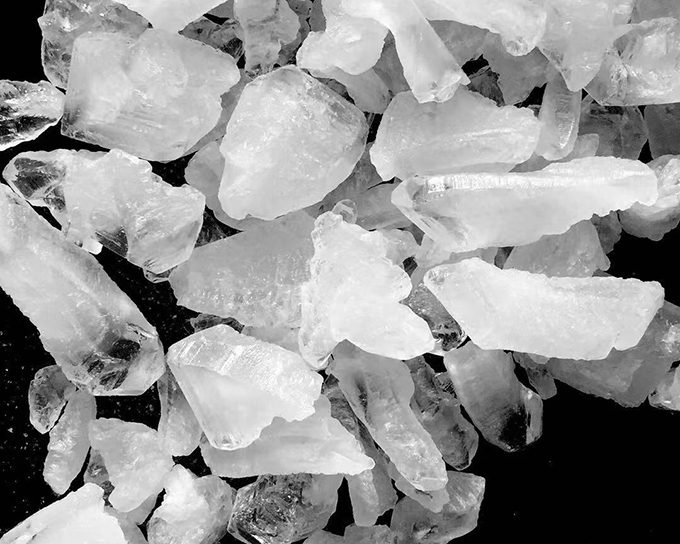
High purity, low impurities, stable performance

High purity, low impurities, stable performance
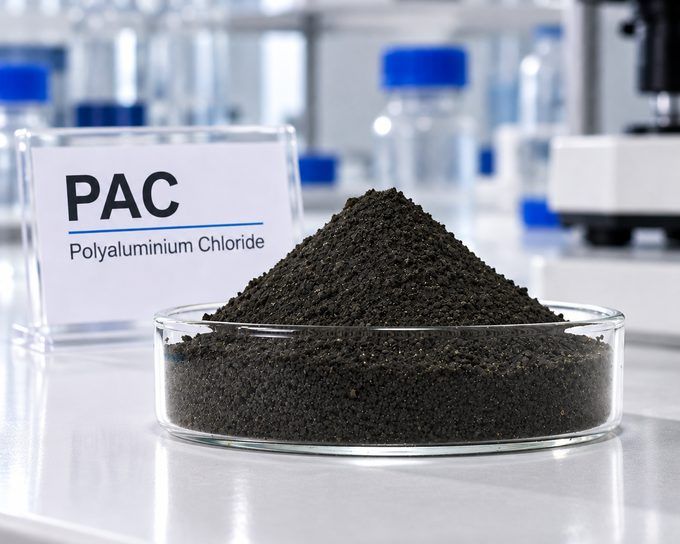
Basic Aluminium Chloride (BAC) is a dark grey coagulant for industrial wastewater treatment, supporting suspended solids removal and water clarification.
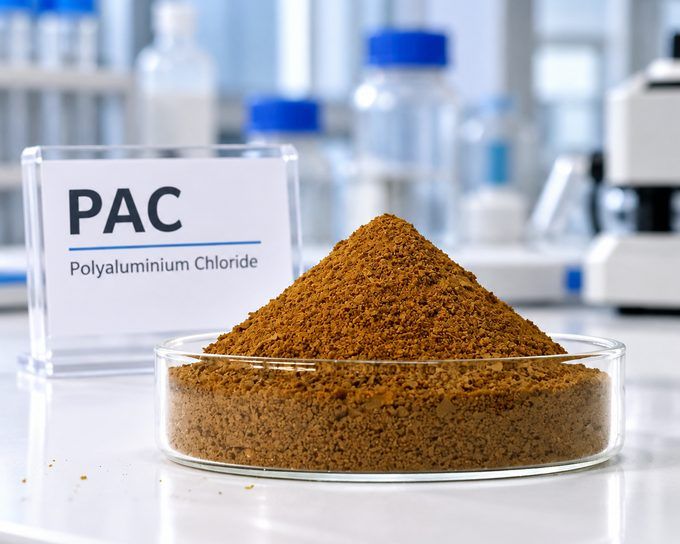
Industrial Grade Poly Aluminium Chloride (PAC) is a cost-effective coagulant for municipal sewage and industrial wastewater treatment, available in multiple Al₂O₃ grades to meet different treatment needs.

High purity white PAC powder for water purification and wastewater treatment applications.