
A stored PAC batch should be judged against its specification and intended use, rather than age or appearance alone. Powder can become caked while retaining useful coagulation performance. Conversely, free-flowing material may still require investigation after contamination or unsuitable storage.
Assessing PAC storage deterioration therefore needs several kinds of evidence: storage history, physical condition, analytical results and controlled treatment comparisons. This guide explains how to decide what to check before long-stored inventory returns to routine dosing.
Start with the product and storage record
Confirm the exact grade, supplied form, batch number and recommended storage period. PAC is a family of products with different composition and formulation, so one universal shelf life cannot be assumed for all powders and liquids.
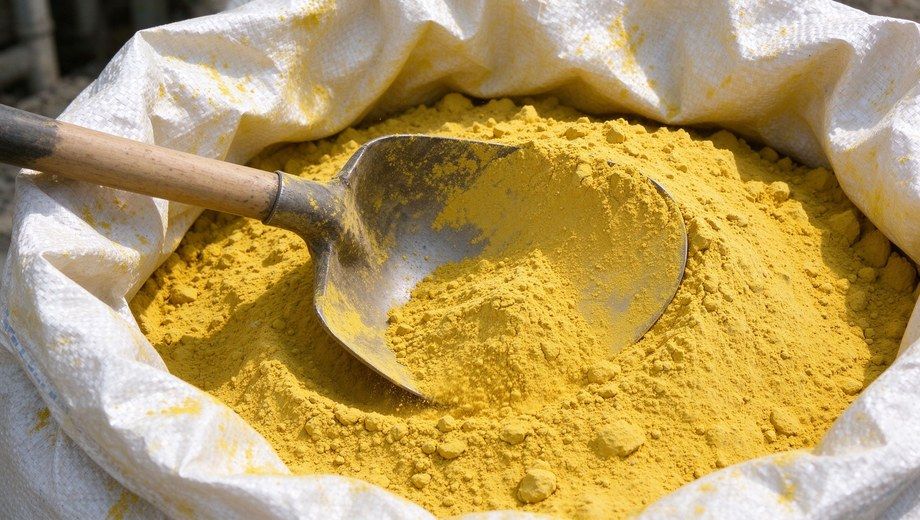
Review the supplier’s storage instructions and any known incidents. For example, damaged bags, water ingress, freezing or excessive heat may affect a batch before the recommended period ends. The relevant conditions depend on the actual formulation.
Passing the labeled period does not prove that a product has become ineffective. However, it may require requalification or supplier authorization under the site’s acceptance process. Do not override an applicable use restriction solely because one jar test looks satisfactory.
Separate powder handling problems from chemical failure
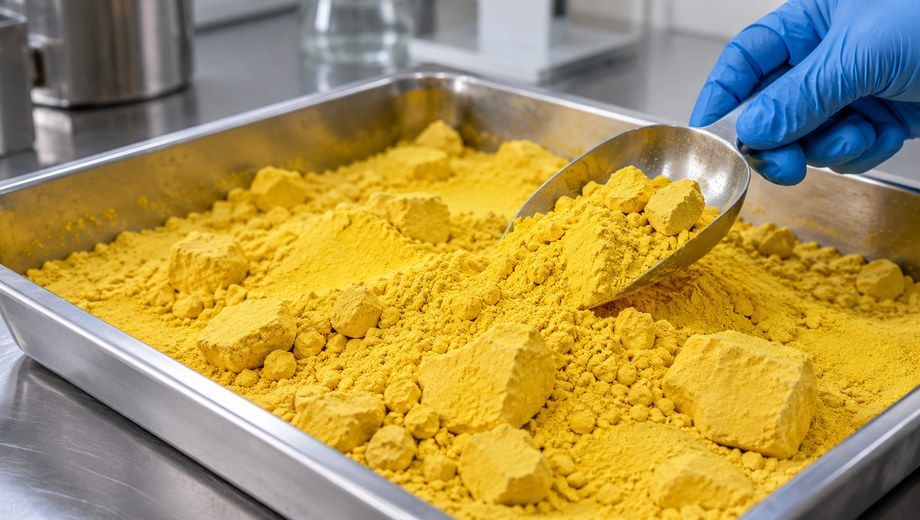
For solid PAC, inspect the bags and sample condition. Soft lumps, hard cakes, damp material and foreign contamination should be documented separately. Each observation provides a different reason for investigation.
Caking may cause poor flow, irregular feeding or slower preparation. Those problems matter even if the product can still coagulate water. Meanwhile, moisture uptake can lower a percentage assay reported on an as-received mass basis without meaning that aluminum has disappeared.
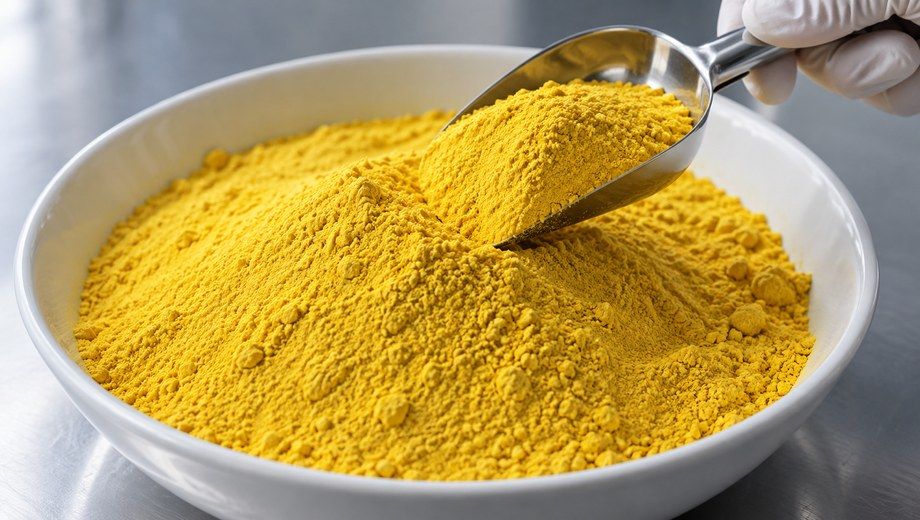
Color should be compared with the specified appearance of that grade. White and yellow products should not be judged against one common color standard. An unusual change within the batch deserves attention, but color alone does not identify its cause.
Evaluate liquid PAC on its own specification
Unexpected sediment, separation or deposits in a liquid product can indicate a stability or handling problem. Check the specified appearance and recommended conditions before deciding whether the observation is acceptable.
Do not assume that dilution, stirring or removal of sediment restores the original product. Such actions can change concentration or distribution of material. Consult the supplier and verify the intended procedure before reusing an affected lot.
Liquid storage tanks and transfer equipment also need inspection. Contamination, corrosion and faulty pumping can cause an operating problem that resembles poor coagulant quality.
Use a controlled preparation comparison
Prepare the stored product and an approved reference with the same water, concentration, temperature and mixing method. Record dispersion, preparation time and residue. This helps identify whether the batch can be handled consistently by the actual preparation system.
A preparation test is not a performance test. For instance, PAC failing to form visible flocs in clean water does not show that it is inactive. The coagulation comparison needs representative water containing the relevant treatment challenge.
Verify the applicable chemical properties
Compare measured Al₂O₃ equivalent content, basicity and relevant acceptance parameters with the specification and original COA. Additional checks may include insoluble matter, specified solution pH, liquid density or application-specific impurities.
Use consistent methods and reporting bases. A change in solution pH cannot be interpreted properly if the test concentration also changed. Likewise, a density measurement without its temperature and method has limited comparison value.
Where independent testing is needed, select a laboratory with appropriate competence for the required methods. ISO describes the scope of ISO/IEC 17025. Laboratory accreditation should be checked for relevant testing scope; it does not itself certify the stored PAC.
Compare treatment performance on a fair basis
Run dose series using the same representative water and procedure for both stored and reference material. An equal-aluminum comparison can help when moisture or concentration differs. In addition, compare the doses needed to achieve the actual operating endpoint.
Keep pH, temperature, preparation and separation conditions documented. Otherwise, a poorer result could be caused by the test procedure rather than storage. Repeat an unexpected result before assigning the cause.
An increased plant dose is also an investigation trigger, not proof of deterioration. Raw water changes, an incorrect preparation concentration or a pump calibration problem can produce the same symptom.
| Finding | Practical decision |
| No unusual condition and required acceptance checks pass | Use under the normal release procedure |
| Caking or preparation difficulty | Assess handling, assay basis and treatment response |
| Suspected contamination or major storage incident | Isolate the lot pending evaluation |
| Failed specification or confirmed unsuitable performance | Consult the supplier and follow the nonconforming-material procedure |
Document the release decision
Retain the batch identity, inspection record, tests and decision. Where a lot is unsuitable, determine return, reprocessing or disposal through the applicable process. Waste classification depends on the actual material and contamination; age alone does not determine it.
Use inventory rotation and inspections suited to the storage conditions. Finally, compare the first operating results when requalified material is released. KolinSC can discuss the specification and available product information when you provide the grade, batch and storage history.
Contact Us: [email protected] | WhatsApp: +8615981897729
Professional Water Treatment Chemical Supplier & One-Stop Industrial Solution Provider