
A PAC program that performs well in warm weather may need adjustment when the water becomes colder. However, winter does not automatically call for a larger dose or a different product. Water temperature and PAC coagulation should be assessed together with pH, raw water composition, mixing and separation.
Seasonal deterioration can look like a chemical quality problem even when the batch meets its specification. A controlled investigation helps distinguish a product issue from a changed operating environment.
Separate chemical effects from physical effects
PAC contains aluminum species that have been partially hydrolyzed during manufacture. After dosing, further reactions and interactions occur in the water. Temperature can affect these processes and the distribution of aluminum species, but a universal explanation that cold water simply stops PAC from activating is too crude.
Cold water also has greater viscosity than warm water. This affects mixing conditions and settling behavior. Therefore, successful particle destabilization does not guarantee that the same flocculation and clarification settings will perform identically across seasons.
Particle collision mechanisms are not all affected in the same way. Mixing-driven collisions depend on the equipment and energy input, while settling-related interactions depend on particle properties and water viscosity. Avoid reducing the entire process to one claim that every collision becomes slower.
Investigate the seasonal water change
Compare temperature, pH, alkalinity, turbidity and relevant organic matter data with the established baseline. In addition, examine flow and treatment loading. Rainfall, source changes or production schedules can accompany a temperature change and affect the same endpoints.
Low-temperature, low-turbidity conditions can create a different challenge from cold water carrying a high particle load. Likewise, low alkalinity can change how pH responds during dosing. These distinctions help design the next test rather than immediately increasing consumption.
Record conditions at the treatment stage, not only the outdoor air temperature. A chemical preparation room can also have different conditions from the incoming water.
Test at the actual water temperature
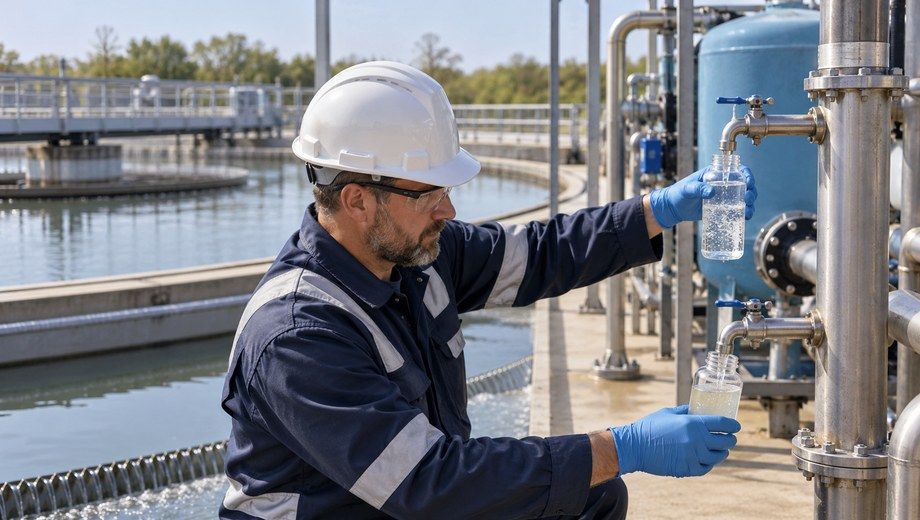
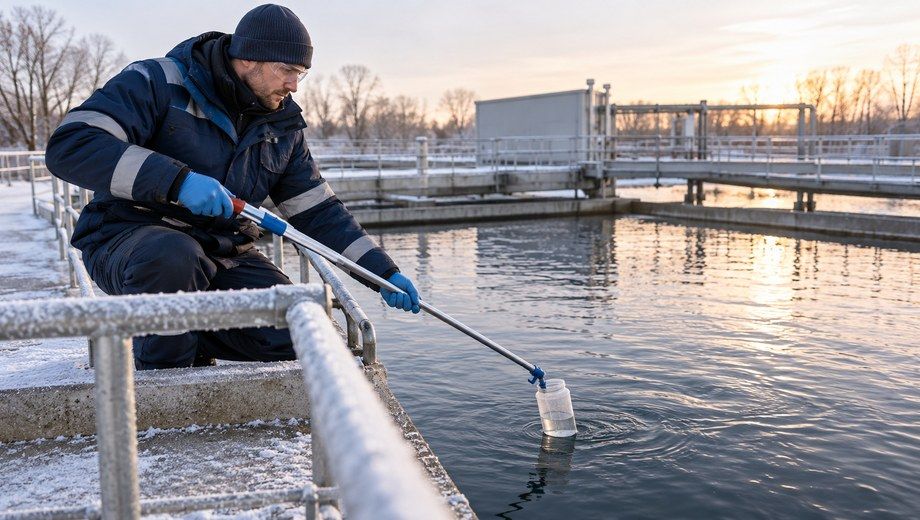
Bring representative samples to the intended test condition and monitor their temperature through the experiment. A cold sample that warms on a laboratory bench may no longer represent the plant.
Keep the sampling and treatment procedure consistent between comparisons. If investigating temperature alone, use a design that controls the other relevant differences as far as practical. Meanwhile, seasonal operating trials should use the actual seasonal water, because its composition may also have changed.
The Health Canada guidance on aluminum-based coagulation discusses temperature and pH in drinking water optimization. Use it as context, rather than transferring one suggested pH range to every industrial stream.
Review pH during treatment
The useful coagulation pH can shift with conditions, including temperature and water composition. Measure it after dosing as well as before. Consequently, a constant initial pH is not proof that the reaction environment is unchanged.
If pH adjustment is being considered, evaluate it together with coagulant dose and the required endpoint. Do not correct one measurement while allowing particle removal or residual control to deteriorate.
For relevant applications, include both particulate separation and residual aluminum measurements. A visually clearer sample does not fully describe the aluminum remaining in solution.
Reassess mixing and separation conditions
Look at flocculation contact time, circulation and downstream shear. Changing mixer rpm without considering equipment geometry may increase breakage rather than help aggregation. Any adjustment should follow the process design and be evaluated with operating data.
Settling can change because water viscosity and floc characteristics have changed. Review the clarification loading and sludge removal conditions instead of treating every slow-settling result as insufficient coagulant.
| Seasonal symptom | Questions to investigate |
| Delayed visible floc formation | Has chemistry, mixing or temperature changed |
| Smaller or fragile aggregates | Is the grade, dose and flocculation environment suitable |
| Higher clarified turbidity | Is the issue destabilization, floc growth or separation |
| Rising consumption | Are preparation concentration and pump delivery correct |
Select a grade from trial evidence
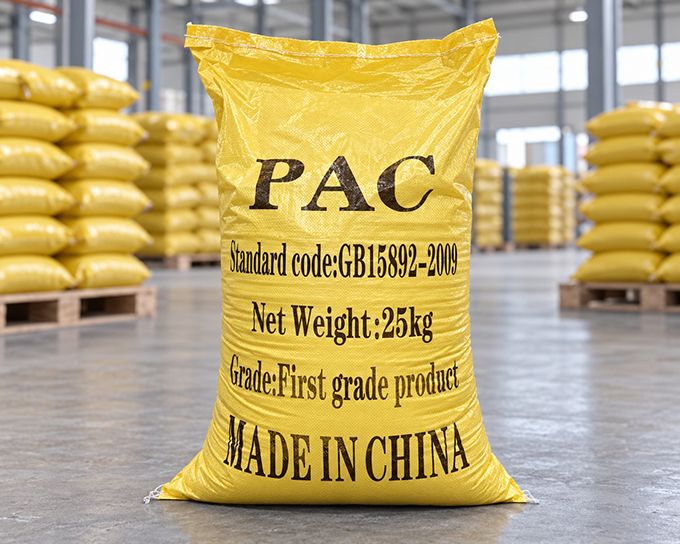
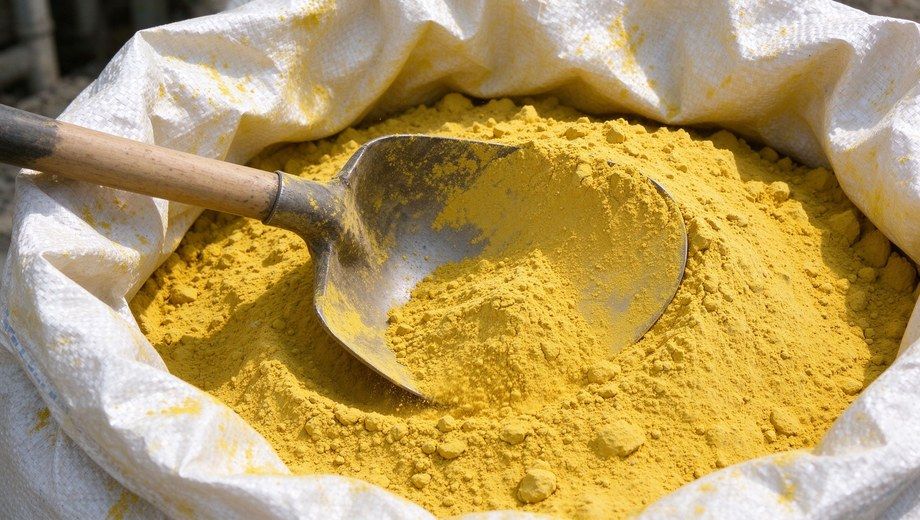
PAC grades differ in basicity, concentration and other properties. Those differences can influence performance, but one basicity level is not automatically the winter choice. Compare suitable candidates using the seasonal water and a defined endpoint.
Where a polymer aid is appropriate, test its contribution separately and verify preparation. PAM can support particle aggregation under suitable conditions; it does not remove the need to optimize PAC and water chemistry.
Include warm or elevated process-water conditions in the same principle. Faster reactions do not guarantee a better final result, and heating treatment water is not a routine recommendation merely because cold water performs differently.
Maintain a seasonal operating record
Retain the successful test range, water profile, batch details and plant results. When conditions change, use those records to narrow the next investigation. Finally, confirm significant adjustments through a supervised trial rather than relying on a single jar.
KolinSC can discuss available PAC specifications when you provide seasonal water data, current dosing and the treatment result being investigated.
Professional Water Treatment Chemical Supplier & One-Stop Industrial Solution Provider