
A PAC vs aluminum sulfate comparison should answer a practical question: which treatment program meets the required water quality at an acceptable operating cost? Both are aluminum-based coagulants, but their supplied concentration and chemistry differ. Equal prices per ton or equal product doses can therefore be misleading comparisons.
PAC contains aluminum species that have been partially hydrolyzed during manufacture. Aluminum sulfate is a conventional aluminum salt that hydrolyzes after dosing. Those differences influence alkalinity demand and coagulation behavior, but they do not establish a universal performance winner.
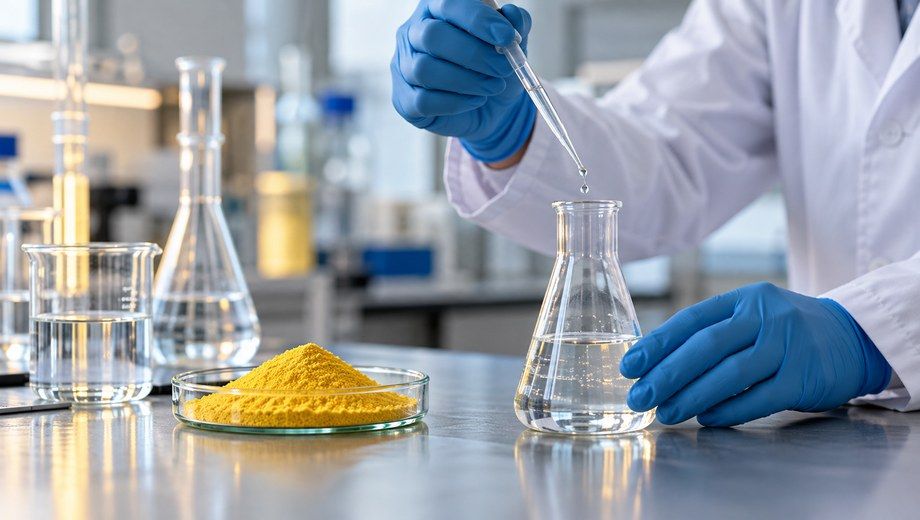
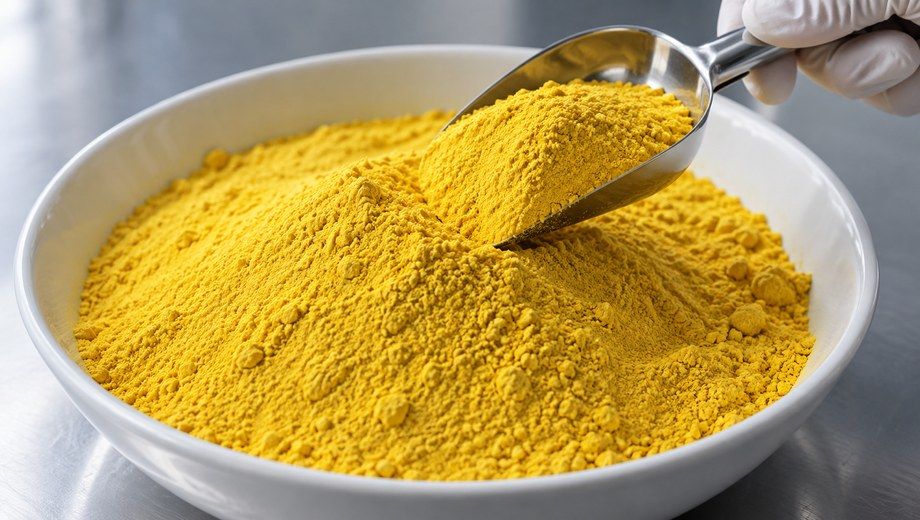
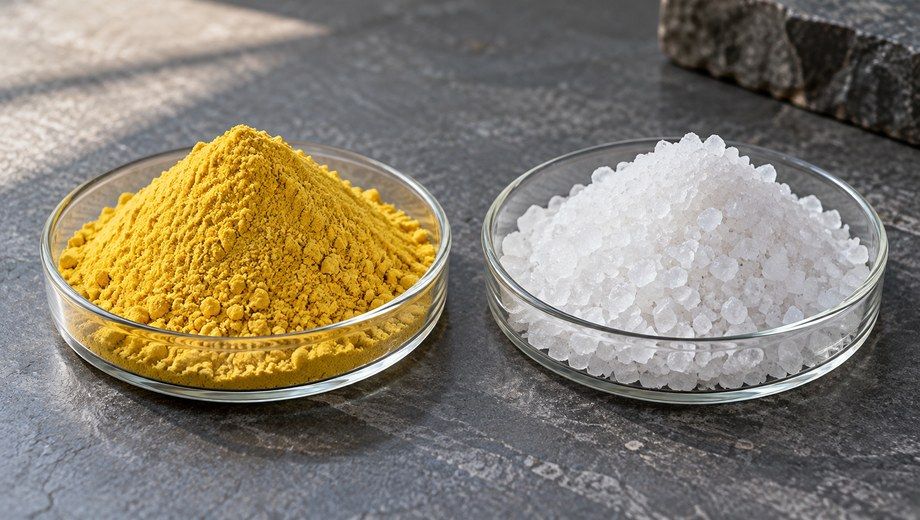
Clarify which aluminum sulfate is being quoted
In water treatment, aluminum sulfate is often called filter alum or simply alum. However, the word alum can also refer to potassium alum or ammonium alum in other commercial contexts. Confirm the full chemical name before requesting a quotation.
Commercial aluminum sulfate may be supplied as a hydrated solid or a liquid solution. PAC also comes in solid and liquid forms. Consequently, product form and analytical basis must accompany the price and specification.
Compare measured aluminum or Al₂O₃ equivalent content on a consistent basis. A reported Al₂O₃ equivalent is a way of expressing aluminum content, not a statement that the chemical consists of free aluminum oxide.
Compare the relevant properties side by side
| Factor | PAC | Aluminum sulfate |
| Chemical description | Prehydrolyzed aluminum-based coagulant with grade-dependent basicity | Conventional aluminum sulfate salt |
| Concentration | Confirm the actual supplied-product assay | Confirm concentration and hydration basis |
| Alkalinity demand | Depends on basicity, aluminum dose and conditions | Hydrolysis consumes alkalinity |
| Separation result | Establish through representative testing | Establish through representative testing |
| Commercial comparison | Include dose and operating consequences | Include dose and operating consequences |
At a comparable aluminum dose, a more highly prehydrolyzed PAC can impose less alkalinity demand than aluminum sulfate. However, the magnitude depends on the grade and conditions. Do not infer the final pH response from a product name alone.
Treat pH and alkalinity as separate measurements
Initial pH indicates one aspect of water chemistry, while alkalinity describes its acid-neutralizing capacity. Two waters at similar pH can respond differently to the same coagulant dose. Therefore, measure the change during treatment rather than assuming that a neutral starting pH is enough.
If alkalinity supplementation is needed, include that chemical and its operation in the comparison. Meanwhile, check whether the selected pH conditions support the required particle and organic matter removal. Residual aluminum should also be considered where it is relevant to the application.
The Health Canada technical document on aluminum discusses operational optimization of aluminum-based coagulation. Its drinking water context does not establish wastewater discharge limits or certify an offered coagulant.
Run two useful kinds of comparison
An equal-aluminum trial helps investigate chemical behavior with concentration differences reduced. Calculate the supplied-product mass needed to provide the chosen aluminum basis. Also keep preparation, mixing and sampling consistent.
A separate operational trial compares each coagulant at the dose and conditions that meet the same treatment endpoint. This is the more direct basis for cost assessment. Equal-aluminum performance and optimized operating cost answer different questions, so retain both sets of records when they are useful.
For each product, use a dose series rather than a single arbitrary dose. Test with representative water at the relevant temperature. Seasonal changes may alter the result.
Calculate cost using the measured working dose
For a dose stated as supplied product:
Chemical cost per m³ = delivered price per kg × product dose in mg/L ÷ 1,000.
For illustration, a product costing $0.50/kg and working at 30 mg/L has a chemical cost of $0.015/m³. Another costing $0.35/kg at 50 mg/L costs $0.0175/m³. These invented inputs demonstrate the calculation only; they are not market prices or KolinSC trial results.
Next, include pH adjustment, preparation, sludge management and equipment requirements. A program that reduces one chemical expense but increases sludge disposal may not reduce the total cost.
Assess sludge and residuals from the complete process
Neither PAC nor aluminum sulfate automatically guarantees lower sludge production. Chemical dose, incoming solids and other precipitates contribute to the solids produced. Measure sludge characteristics and handling effects under comparable treatment conditions.
Likewise, lower residual aluminum depends on suitable chemistry and effective separation. Increasing the coagulant dose or choosing higher PAC basicity is not an automatic solution. An operating program should balance clarification, residuals and other required endpoints.
Confirm the procurement specification
Request the offered grade’s TDS, SDS and relevant COA. State the intended application and any required acceptance scheme. A description such as drinking water grade should be checked against the actual market and use conditions.
For a supplier change, also confirm container compatibility, storage, dosing calibration and a monitored transition plan. KolinSC can discuss available PAC specifications when you provide the water profile, current coagulant and trial objectives.
Professional Water Treatment Chemical Supplier & One-Stop Industrial Solution Provider