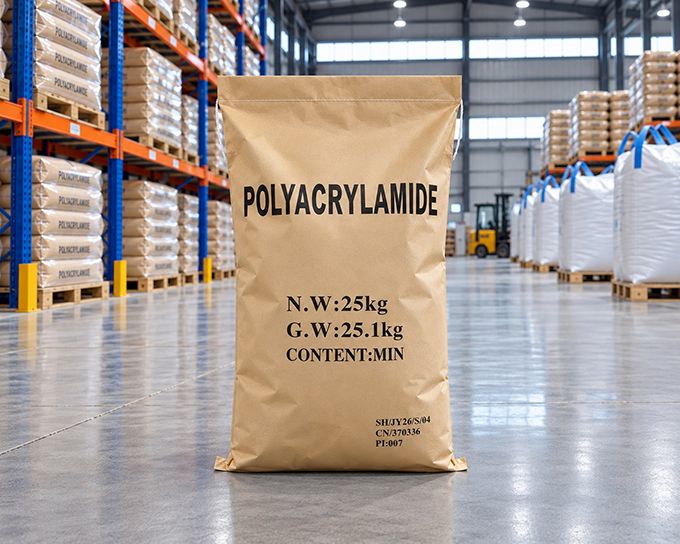
We are a professional Polyacrylamide(PAM) supplier. Our PAM powder includes anionic, cationic and nonionic types, widely used as water treatment flocculant for sludge dewatering and industrial wastewater treatment.
Product Overview
Polyacrylamide (PAM) is a water-soluble high-molecular-weight polymer flocculant. Through adsorption, charge neutralisation and bridging mechanisms, PAM combines suspended particles, colloids and dispersed solids into large, dense flocs that settle rapidly, making it one of the most widely used chemicals for solid-liquid separation worldwide.
Available in anionic (APAM), cationic (CPAM), nonionic (NPAM) and amphoteric grades, PAM can be customised by molecular weight, ionic degree and dissolution rate to match different wastewater types, sludge conditions and industrial processes. Whether you treat municipal sewage, mining tailings, oily wastewater or need superior sludge dewatering, the right PAM grade will significantly lower chemical dosage, improve throughput and reduce sludge disposal cost.
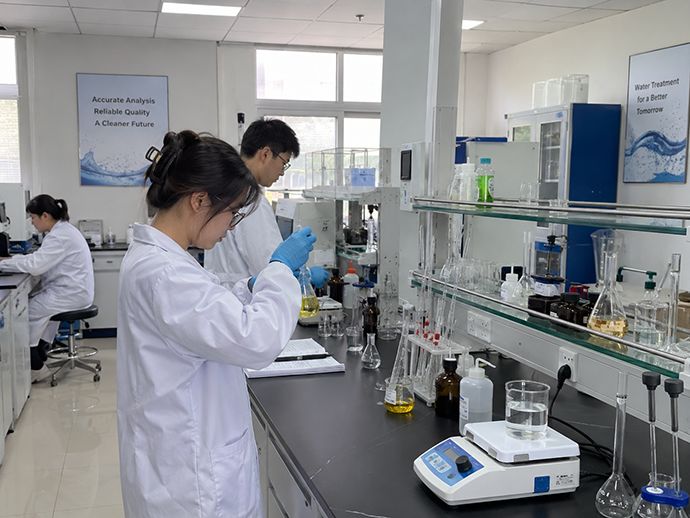
Polyacrylamide Laboratory Testing
Laboratory staff conducting sample preparation and analysis to support polyacrylamide product evaluation and quality control.
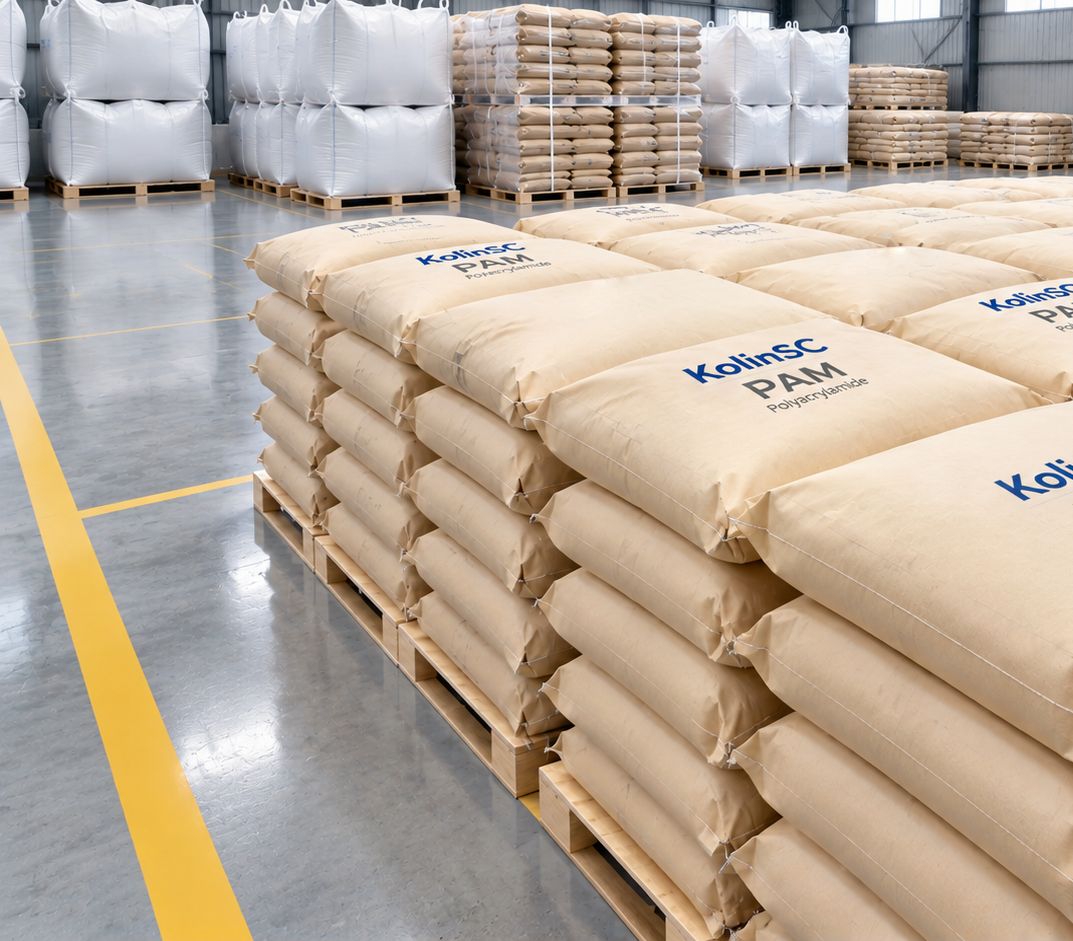
Polyacrylamide Packaging and Warehouse Storage
KolinSC polyacrylamide (PAM) bags stacked on pallets in a clean, organised warehouse for storage and shipment.
Key Specifications Summary
Core Technical Parameters for Quick Screening
| Item | Specification |
| Appearance | White / slightly yellow granular powder |
| Molecular Weight | 【5 – 20 million】 (grade-dependent) |
| Solids Content | ≥ 【88% – 90%】 |
| Dissolution Time | ≤ 【40 – 60 minutes】 |
| pH Range | 【5.0 – 14.0】 (varies by ionic type) |
| Available Grades | Anionic / Cationic / Nonionic / Amphoteric |
Full test data — including molecular weight, hydrolysis degree, ionic degree, residual monomer content (acrylamide monomer) and viscosity indices — are contained in our official TDS for engineering review, jar testing and customs clearance.
All on-page figures represent our standard production range. Batch-wise actual values are shown on the COA supplied with every shipment. All document data is consistent with factory batch inspection reports; third-party testing is supported.
PAM Types — Quick Selection Guide
Choosing the right ionic type is the most important step. Use this quick reference:
Anionic Polyacrylamide (APAM)
Charge type: Negative. Best for inorganic suspended solids and alkaline-to-neutral wastewater.
- Mining / mineral processing / tailings treatment
- Coal washing wastewater
- Steel, metallurgy and electroplating wastewater
- River water clarification and sand washing
- Enhanced oil recovery (EOR) and drilling fluid additives
Cationic Polyacrylamide (CPAM)
Charge type: Positive. Best for organic sludge and organic-rich wastewater.
- Municipal sewage sludge dewatering (belt filter, centrifuge, filter press)
- Food & beverage, brewery and slaughterhouse wastewater
- Paper mill sludge and deinking wastewater
- Textile dyeing and printing organic wastewater
- Pharmaceutical and chemical organic sludge
Nonionic Polyacrylamide (NPAM)
Charge type: Near-neutral. Best for complex or mixed wastewater where ionic type is uncertain.
- Complicated industrial wastewater systems
- Acidic wastewater treatment
- Selective flocculation and decolorisation processes
Amphoteric Polyacrylamide (ACPAM)
Charge type: Both positive and negative. Best for high-salinity and difficult-to-treat wastewater.
- High-salinity and high-COD wastewater
- Advanced sludge conditioning
- Recirculated water systems with fluctuating water quality
Not sure which grade to pick?
Send us your wastewater type, pH, turbidity or sludge moisture data. Our engineers will recommend the exact ionic type, molecular weight and dosage range for your jar test.
Core Advantages of KolinSC PAM
Exceptional Flocculation Efficiency
High molecular weight and controlled chain length produce strong adsorption-bridging performance, forming large, dense, fast-settling flocs even at low dosage.
Four Ionic Types, Customisable Grades
Anionic, cationic, nonionic and amphoteric grades available. We can adjust molecular weight, ionic degree and dissolution speed to match your specific water quality and equipment.
Low Dosage, Lower Total Cost
High active-solids content means less product consumed per cubic metre of water treated, reducing both chemical cost and sludge disposal volume.
Fast Dissolution, Easy Dosing
Controlled particle size ensures complete dissolution within 40–60 minutes with no fish-eye or undissolved clumps, suitable for automatic dosing systems.
Stable Batch-to-Batch Quality
Strict incoming-material inspection, polymerisation process control and finished-product viscosity testing keep quality consistent order after order.
Global Export Experience
Long-term supply to Southeast Asia, Middle East, Africa, Europe and Latin America. FCL / LCL / jumbo-bag loading all available.
Main Application Fields
Municipal Wastewater & Sludge Dewatering
Suspended solids removal, primary clarification, and conditioning of excess sludge for belt filter presses, centrifuges and filter presses.
Mining & Mineral Processing
Tailings thickening, coal washing, ore flocculation, and solid-liquid separation in mineral extraction processes.
Oil & Gas Industry
Enhanced oil recovery (EOR), drilling fluid additive, produced-water treatment and fracturing flow-back fluid treatment.
Paper Industry
Retention and drainage aid, papermaking wastewater treatment and white-water recovery.
Textile & Dyeing
Colour and COD removal from dyeing wastewater; decolourisation aid for textile effluent.
Food & Beverage
Organic wastewater treatment from breweries, dairy, sugar refining and slaughterhouses; sludge dewatering.
Chemical & Electroplating
Heavy-metal hydroxide flocculation, electroplating wastewater clarification and chemical-process separation.
Packaging & Storage
Export Packaging Options
- 25 kg multi-paper / PP woven bag with inner PE moisture-proof liner
- 1000 kg jumbo / IBC ton bag (common for mining and municipal projects)
- Palletised and stretch-wrapped for container loading
- Customised packaging available upon request
Storage Requirements
Store in a cool, dry, well-ventilated warehouse. Keep bags tightly sealed — PAM is hygroscopic and absorbs moisture from air, which causes caking and reduced performance. Avoid direct sunlight and contact with incompatible chemicals.
Shelf life: 24 months in original sealed packaging under proper storage.
B2B Order & Trading Information (For Global Buyers)
- MOQ: 【1 Metric Ton (1,000 kg)】
- Sample Service: 500 g – 1 kg free sample available; customer covers express freight; The sample fee can be refunded against a confirmed bulk order.
- Monthly Production Capacity: 【3000 MT / month】 (state your real capacity)
- Lead Time: 7 – 15 working days after deposit confirmation
- Payment Terms: T/T, XTransfer
- Export Documents Available: COA, MSDS/SDS, Certificate of Origin, Commercial Invoice, Packing List
- HS Code: 【3906900090】 (subject to destination-country customs classification)
- Main Markets: Southeast Asia, Middle East, Africa, Europe, Latin America
Why Choose KolinSC as Your PAM Supplier
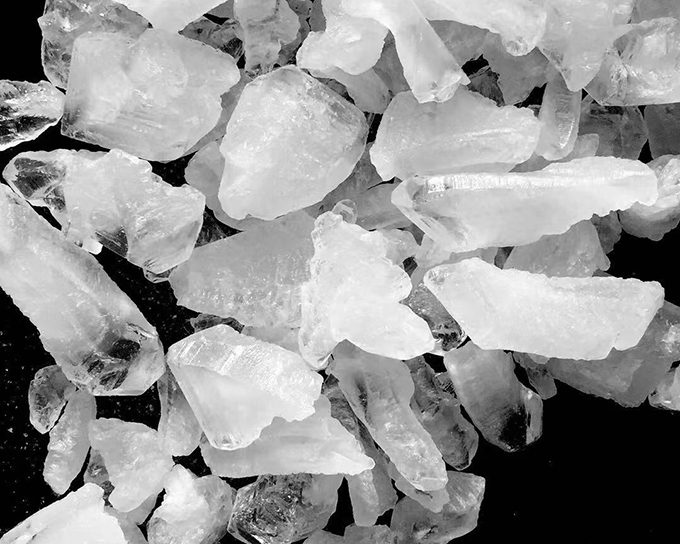
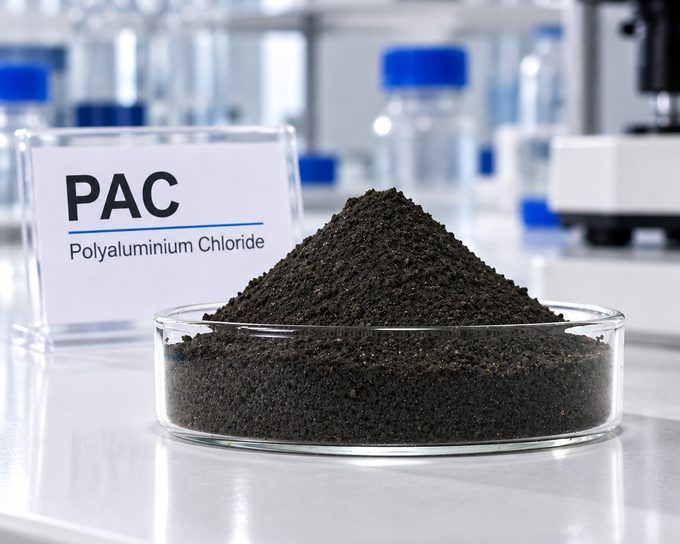
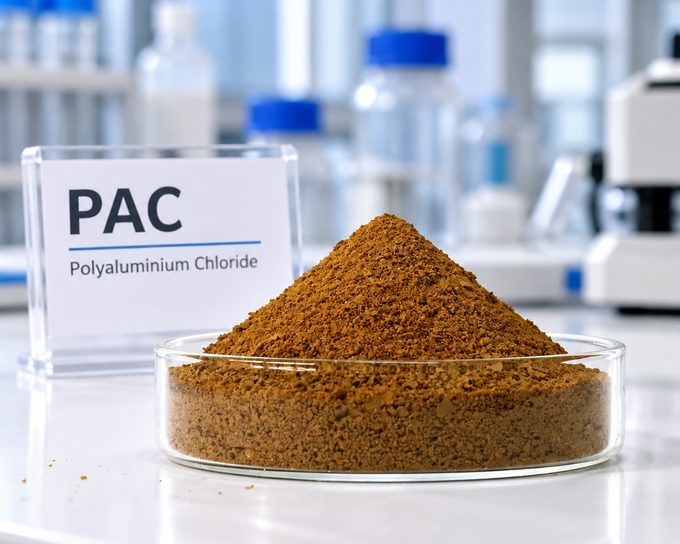
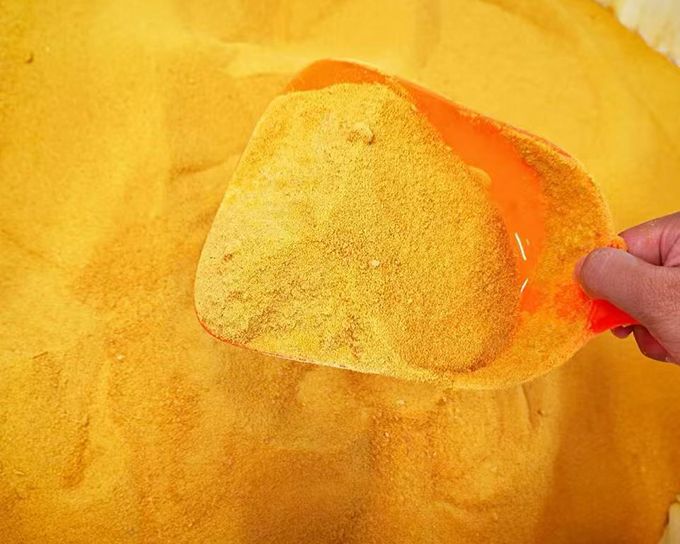
Beyond PAM, we also supply PAC (white and yellow), potassium alum and ammonium alum — giving you one consolidated supplier for multiple treatment chemicals.
Send us your water quality data; our engineers recommend the right PAM type and guide your jar test setup.
Every lot ships with a Certificate of Analysis matching the delivered batch. Third-party inspection (SGS, BV, etc.) is welcome before shipment.
From 1 MT trial orders to full-container regular contracts, we support both new buyers testing the market and long-term partners with stable annual supply.
FAQ(Global Buyer Hot Questions)
The difference is the electrical charge on the polymer chain. Anionic (negative) PAM works best on inorganic solids and alkaline wastewater. Cationic (positive) PAM works best on organic sludge and municipal sewage. Nonionic (near-neutral) is used for complex or acidic wastewater. Sending us your wastewater type is the fastest way to choose.
Dissolve in clean water at room temperature. Slowly sprinkle the powder into vigorously stirred water while stirring continuously. Typical preparation concentration is 0.1% – 0.3%. Do not dump all powder at once, or undissolved “fish-eyes” will form. Full dissolution usually takes 40 – 60 minutes.
Dosage depends heavily on water quality. As a rough reference: wastewater clarification 1 – 10 g per tonne; sludge dewatering 3 – 10 kg per tonne of dry sludge. Always run a jar test to determine the exact dosage for your project.
PAM used in drinking-water treatment must meet regulatory limits for residual acrylamide monomer (e.g., EU and US EPA guidelines). Please specify that you need drinking-water-grade PAM when enquiring, and we will provide the appropriate grade with the relevant compliance documents.
PAM is hygroscopic. We use PE-lined sealed bags and palletised container loading. As long as packaging remains sealed and the container is dry, caking will not occur. Store in a dry warehouse after arrival.
Yes. 500 g – 1 kg samples are available. Tell us your wastewater type so we send the most relevant grade. The sample fee can be refunded against a confirmed bulk order.
24 months from production date when stored in the original sealed bag in a cool, dry warehouse. Once a bag is opened, use it promptly and reseal tightly.
Yes. Every shipment includes a batch-wise COA. SGS, BV or other third-party inspection before loading is welcome. SDS and Certificate of Origin are provided for customs clearance.
WE’RE HERE TO HELP
Looking for a reliable PAM supplier for your wastewater or sludge dewatering project?
Tell us your wastewater type, required ionic grade, target quantity and destination port — we will reply within 12 working hours with a free sample plan and competitive factory pricing.
[ Request a Free Sample ] | [ Request Wholesale Quote ] | [ WhatsApp Us ]
Professional Water Treatment Chemical Supplier & One-Stop Industrial Solution Provider