Project Overview
A food processing company located in Southeast Asia generated a large amount of industrial wastewater during production, mainly from raw material washing, food processing, equipment cleaning, and facility sanitation.
Food processing wastewater usually contains high levels of:
- Suspended solids
- Oils and fats
- Proteins
- Organic pollutants
resulting in high COD, BOD, and suspended solids concentrations.
The customer’s existing wastewater treatment system experienced several issues:
- Significant water quality fluctuations
- Insufficient suspended solids removal
- Unstable sedimentation performance
- Increased sludge generation
To improve wastewater treatment efficiency and meet environmental discharge requirements, the company was looking for a reliable and efficient coagulant supplier.
After wastewater analysis and technical evaluation, KolinSC recommended:
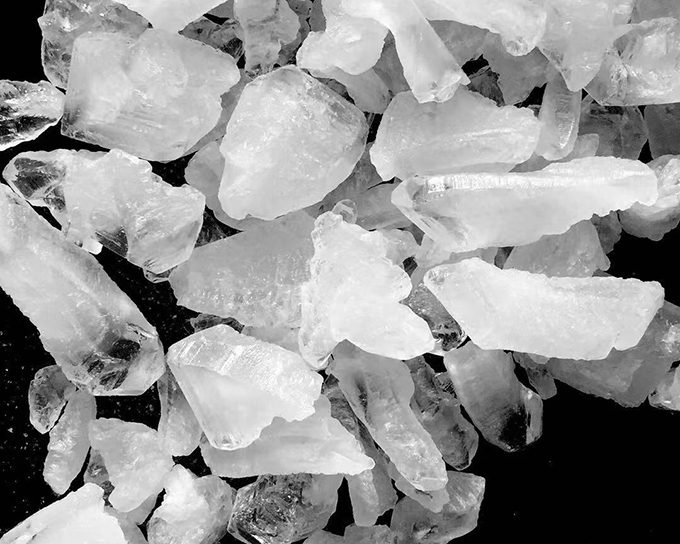
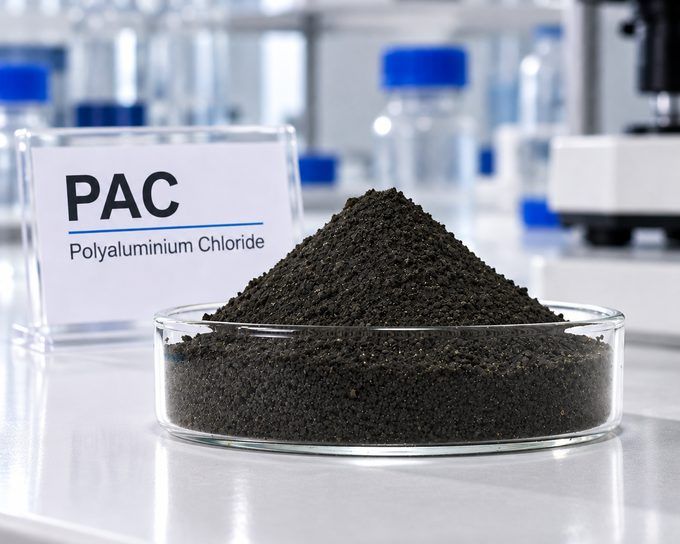
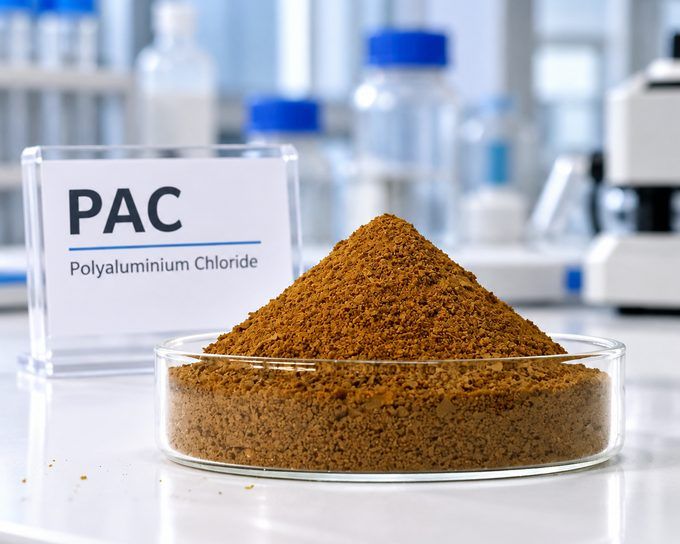
Poly Aluminium Chloride (PAC) as the primary coagulation chemical.
Customer Challenges
Food processing wastewater treatment faced several challenges:
1. High Organic Pollutant Load
Food production generates large amounts of organic substances, including proteins, fats, and residues, resulting in high wastewater pollution loads.
2. Fluctuating Suspended Solids Concentration
Different production batches cause variations in solid particle concentration, requiring a stable treatment solution.
3. Difficult Removal of Oils and Colloidal Substances
Some pollutants exist in emulsified forms and are difficult to separate through conventional sedimentation.
Our Solution
Based on food processing wastewater characteristics, KolinSC provided a PAC coagulation treatment solution.
Step 1: PAC Coagulation and Destabilization
After PAC addition:
- Pollutant surface charges were neutralized
- Colloidal stability was disrupted
- Oils, proteins, and suspended solids aggregated into larger flocs
Step 2: Sedimentation Separation
After effective coagulation:
- Larger flocs settled quickly
- Wastewater turbidity was reduced
- Conditions for biological treatment were improved
Step 3: Process Optimization
Based on actual wastewater conditions, KolinSC provided:
- PAC dosage optimization
- Product selection recommendations
- Treatment process guidance
to ensure stable operation.
Product Used
Poly Aluminium Chloride(PAC)
Applications:
- Food processing wastewater
- Meat processing wastewater
- Beverage production wastewater
- Seafood processing wastewater
Product advantages:
- ✓ Effective suspended solids removal
- ✓ Excellent coagulation performance
- ✓ Improved sedimentation
- ✓ Adaptability to complex water conditions
- ✓ Reduced treatment costs
Treatment Results
| Item | Before Optimization | After PAC Application |
|---|---|---|
| Water turbidity | High | Significantly reduced |
| Suspended solids removal | Insufficient | Improved |
| Sedimentation performance | Unstable | More stable |
| Subsequent treatment load | High | Reduced |
| System operation | Fluctuating | Reliable |
Customer Benefits
By implementing KolinSC’s PAC solution, the customer achieved:
- ✓ Improved food wastewater treatment efficiency
- ✓ Better effluent quality
- ✓ Reduced sludge handling pressure
- ✓ Improved environmental compliance
- ✓ Lower long-term operating costs
Long-Term Partnership
KolinSC provides reliable water treatment chemical solutions for food processing companies, environmental engineering companies, and wastewater treatment projects worldwide.
With stable PAC supply, professional technical support, and international logistics services, we help customers achieve more efficient, environmentally friendly, and sustainable wastewater treatment goals.