Project Overview
A textile dyeing company located in Southeast Asia generated a large amount of industrial wastewater during fabric dyeing, finishing, and processing.
Due to the extensive use of dyes, auxiliaries, and chemical additives, textile wastewater typically has the following characteristics:
- High color intensity
- High organic pollutant content
- Complex suspended solids and colloidal particles
- Significant water quality fluctuations
The existing wastewater treatment system experienced several problems:
- Dark-colored treated water
- Unstable COD removal performance
- Slow floc settling
- Increased sludge treatment costs
To improve treatment efficiency and meet environmental discharge requirements, the customer was looking for a more reliable coagulation and flocculation solution.
After wastewater testing and technical evaluation, KolinSC recommended:
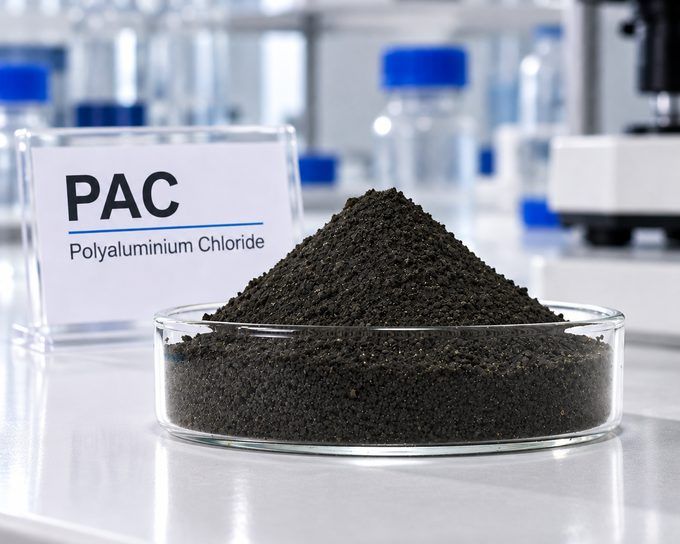
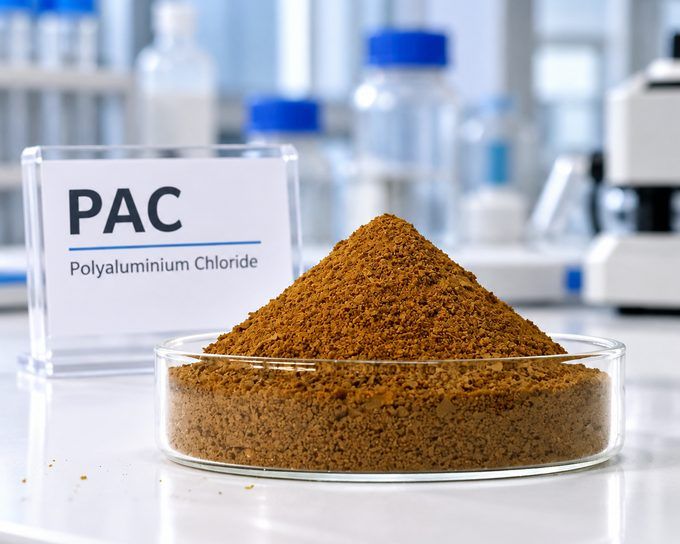
A combined Poly Aluminium Chloride (PAC) + Polyacrylamide (PAM) treatment process.
Customer Challenges
Textile wastewater treatment faced several major challenges:
1. Difficult Color Removal
Dye molecules have complex structures and cannot be easily removed through conventional sedimentation, requiring effective coagulation treatment.
2. Stable Colloidal Pollutants
Textile wastewater contains large amounts of fine particles and colloidal substances that remain suspended and affect treatment efficiency.
3. Increased Sludge Treatment Pressure
The treatment process generates significant sludge, requiring stronger flocs and better settling performance to reduce disposal costs.
Our Solution
Based on textile wastewater characteristics, KolinSC developed a combined PAC and PAM treatment solution.
Step 1: PAC Coagulation and Color Removal
After adding PAC:
- Surface charges of dyes and colloidal particles were neutralized
- Pollutant stability was reduced
- Dye molecules and suspended solids aggregated into initial flocs
Step 2: PAM Flocculation Enhancement
After adding Polyacrylamide:
- Polymer chains connected fine particles
- Floc size increased
- Sedimentation speed improved
- Sludge dewatering performance was enhanced
Step 3: Process Optimization
By adjusting PAC and PAM dosage ratios, the treatment process achieved:
- Reduced wastewater color
- Improved COD removal efficiency
- Better effluent quality
Products Used
Poly Aluminium Chloride(PAC)
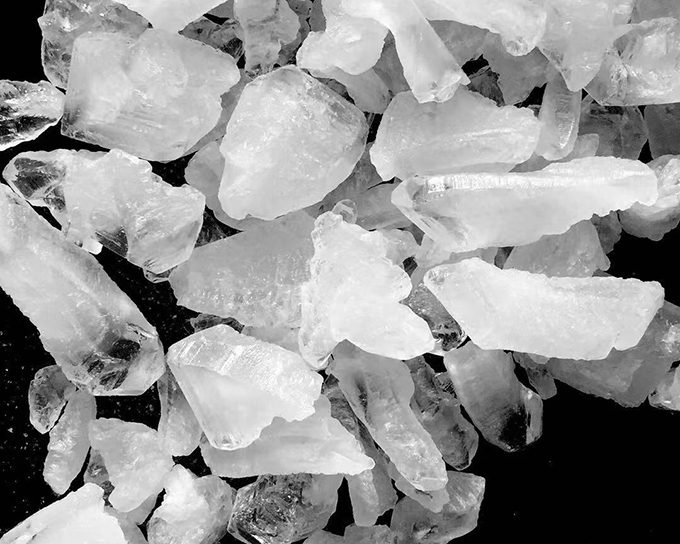
Polyacrylamide(PAM)
Treatment Results
| Item | Before Optimization | After PAC + PAM Application |
|---|---|---|
| Wastewater color | High | Significantly reduced |
| Suspended solids removal | Unstable | Improved |
| Floc structure | Small and weak | Larger and stronger |
| Sedimentation speed | Slow | Faster |
| Sludge treatment | High cost | Easier handling |
Customer Benefits
By implementing KolinSC’s PAC and PAM combined solution, the customer achieved:
✓ Improved textile wastewater treatment efficiency
✓ Better effluent color and clarity
✓ Reduced sludge treatment costs
✓ More stable environmental compliance
✓ Optimized overall operating costs
Long-Term Partnership
KolinSC is committed to providing professional water treatment chemical solutions for textile, dyeing, and industrial manufacturing companies worldwide.
With reliable PAC and PAM supply capabilities and extensive export experience, we help customers solve complex wastewater challenges and achieve more efficient, environmentally friendly, and sustainable operations.