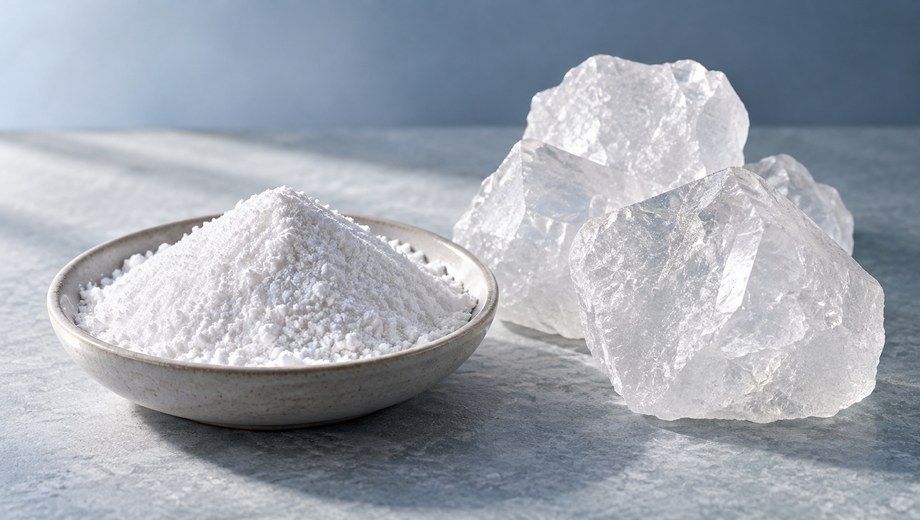
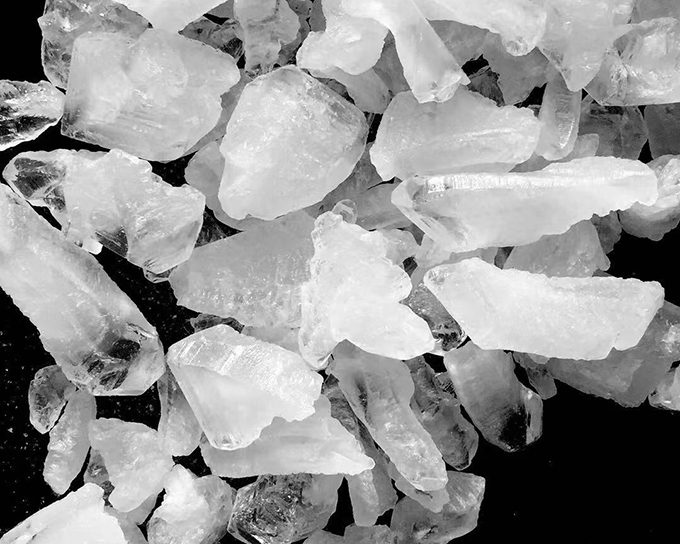
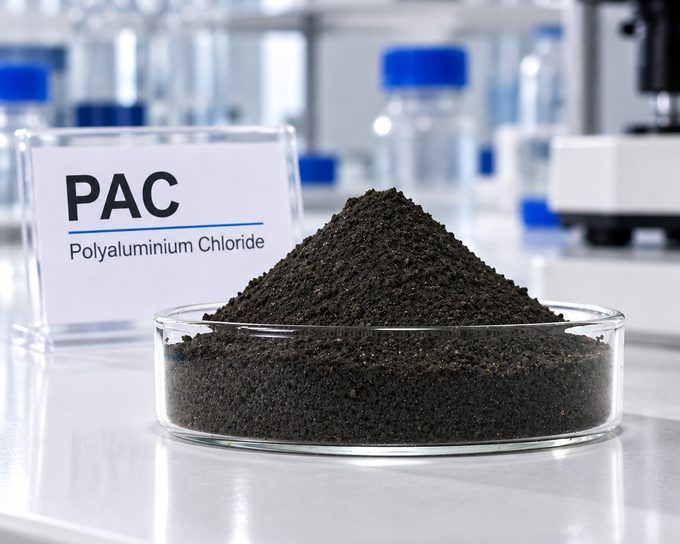
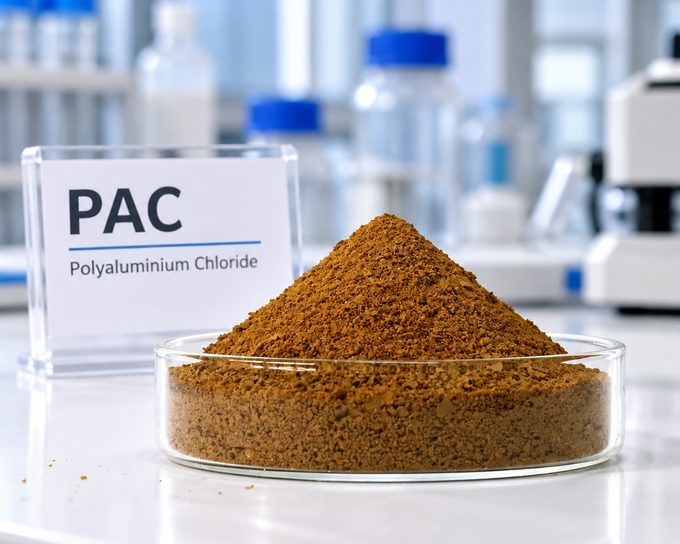
An inquiry that says only “alum” can lead to two different quotations. In many water treatment settings, the term refers to aluminum sulfate. Elsewhere, the buyer may mean potassium alum. Therefore, comparing potassium alum vs aluminum sulfate starts with identifying the compound, not the price.
Both contain aluminum and sulfate, but potassium alum also contains potassium. They have different formulas and should not be ordered as interchangeable products without technical review.
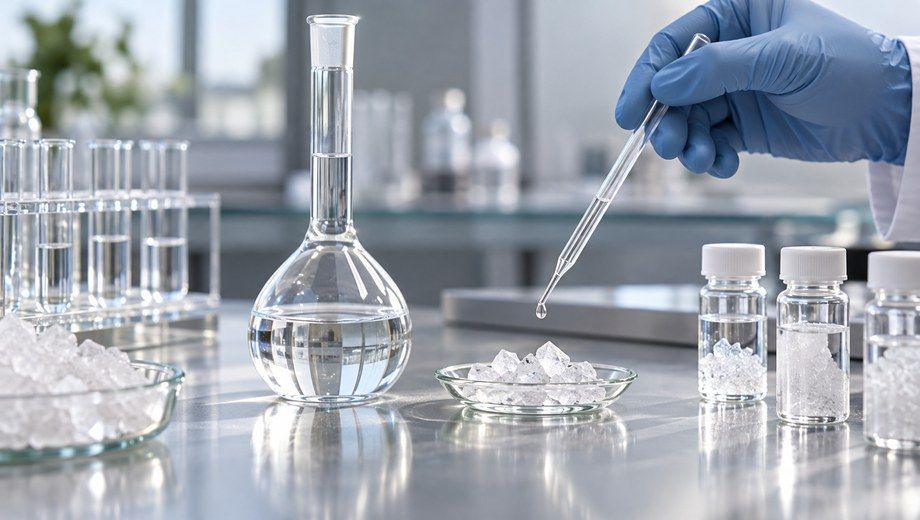
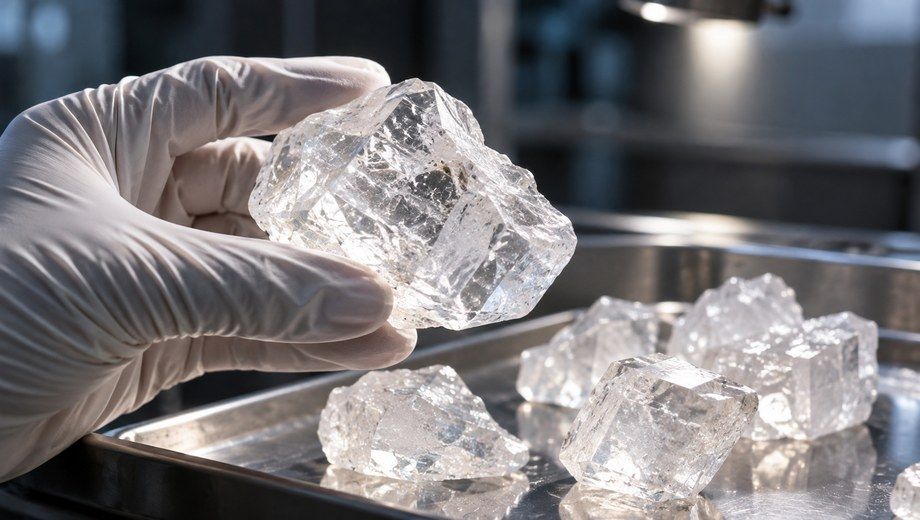
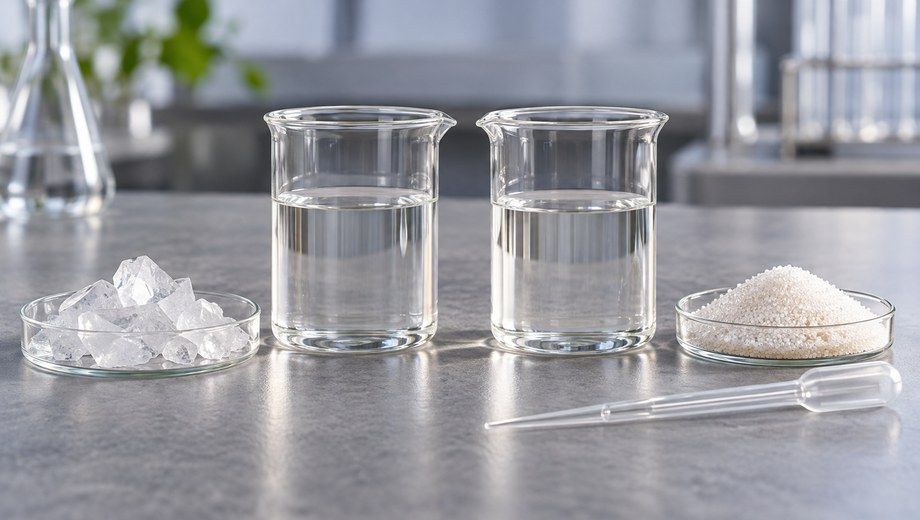
Put the full chemical identity on the inquiry
Potassium alum is commonly supplied as potassium aluminum sulfate dodecahydrate, KAl(SO₄)₂·12H₂O. The final part of the formula identifies water of crystallization within the compound.
Aluminum sulfate has the anhydrous formula Al₂(SO₄)₃. However, commercial solids may be hydrated, and liquid products contain water as part of the supplied solution. Consequently, Al₂(SO₄)₃ alone does not fully describe every commercial grade.
For identity reference, consult the PubChem record for potassium alum and the PubChem record for aluminum sulfate. Product documents should still identify the actual supplied form and reporting basis.
| Purchasing detail | Potassium alum | Aluminum sulfate |
| Common chemical description | Potassium aluminum sulfate dodecahydrate | Aluminum sulfate with supplied hydration or solution concentration specified |
| Formula reference | KAl(SO₄)₂·12H₂O | Al₂(SO₄)₃ for the anhydrous compound |
| Potassium as part of the named compound | Yes | No |
| Commercial form to confirm | Powder, crystals or blocks | Solid form or liquid solution |
| Information needed for a fair comparison | Grade, assay basis, impurities and intended use | Grade, assay basis, impurities and intended use |
Understand what hydration changes
Water of crystallization contributes to the mass of a hydrated chemical. As a result, an assay reported on one chemical basis may not be comparable with an assay reported on another.
For potassium alum, distinguish free moisture from the water that forms part of the dodecahydrate. For aluminum sulfate, ask how aluminum content or Al₂O₃ equivalent is reported. This is especially important when comparing solids against liquid solutions.
A statement such as “99% purity” needs the chemical identity and analytical basis to be useful. It cannot be treated as 99% aluminum, nor as a direct prediction of coagulation efficiency.
Compare treatment programs rather than equal weights
In water treatment, aluminum-based sulfate coagulants act within a process that depends on water chemistry, mixing and separation. Potassium alum and aluminum sulfate can contain different amounts of aluminum per kilogram of supplied material. Equal product weights therefore do not create an equivalent comparison.
If a substitution is being considered, review the aluminum basis and run controlled trials. Final pH, clarification performance and downstream requirements should be evaluated. In addition, account for the potassium introduced when potassium alum is used.
The correct choice depends on the process objective. Neither product name establishes that one is universally more efficient or more economical.
Check the application grade separately
An industrial specification does not establish suitability for food, pharmaceutical or cosmetic use. Likewise, a clear crystal does not demonstrate compliance with a regulated standard. The application requires its own documentation and acceptance criteria.
When a customer names a pharmacopoeia or another standard, specify the edition and required testing. Avoid assuming that a high assay alone proves compliance with the complete standard. This point applies regardless of which compound is being purchased.
Use a clearer quotation request
A useful request might read: “Please quote potassium aluminum sulfate dodecahydrate, KAl(SO₄)₂·12H₂O, in powder form, against the attached specification.” Then add quantity, packaging, destination and delivery terms.
If the requirement is aluminum sulfate instead, state its supplied form and required concentration or assay basis. In both cases, request the TDS, SDS and relevant batch COA.
Resolve ambiguity before the order
Check that the purchase order, quotation, labels and COA all describe the same compound. If the customer has used a local trade name, ask for the formula or existing product document before confirming the supply.
KolinSC supplies potassium alum for international buyers. Send the full chemical name and application specification with your inquiry so the required material can be discussed accurately.
[ Request a Free Sample ] | [ Request Bulk Quote ] | [ WhatsApp Us ]
Professional Water Treatment Chemical Supplier & One-Stop Industrial Solution Provider