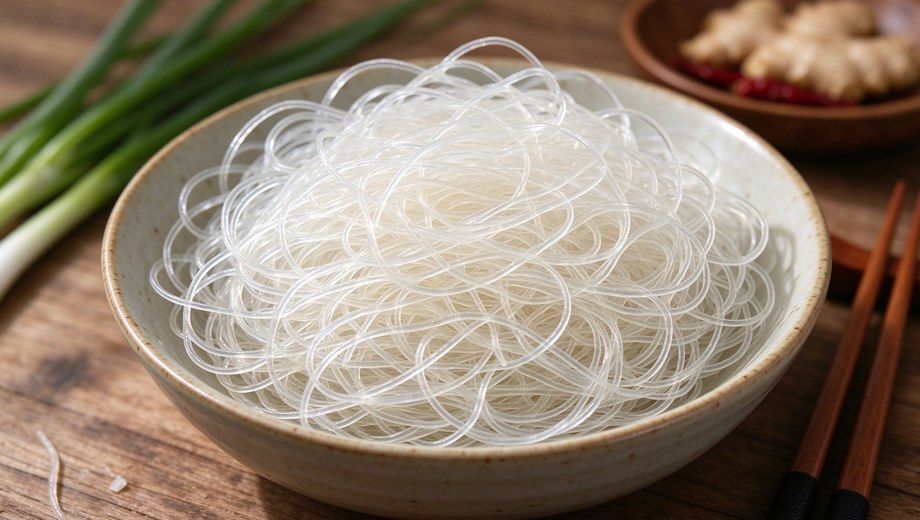
The springy bite of a good glass noodle is not an accident. Behind that texture is starch gelatinization, cooling, and — in many traditional recipes — a small amount of potassium alum that tightens the starch network.
This is one of the oldest continuous food uses of alum, and it is worth understanding for both processors and buyers.
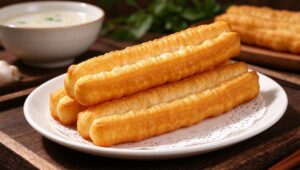
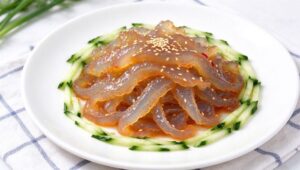

Why Starch Noodles Need Help
Pure starch, whether from mung bean, sweet potato, or pea, forms a weak gel on its own. The dried noodles break easily during transport, turn mushy after cooking, or stick together in the pot.
Alum changes that. The aluminum ions interact with starch chains during gelatinization, producing:
- A firmer, more elastic gel
- Less breakage during drying and cutting
- Better tolerance to boiling
- A smoother, cleaner mouthfeel
Where It Is Used
- Vermicelli and glass noodles (mung bean, sweet potato, pea starch)
- Starch sheets and skins
- Jelly-like starch gels
- Traditional regional starch products
The Food-Science Behind It
During gelatinization, starch granules swell and leach amylose. Aluminum salts can bridge those chains, creating a more ordered network as the gel sets. The result is a product that holds its shape through boiling and cooling.
Importantly, this is a texture effect, not a preservative. Alum does not replace proper drying, hygiene, or cold chain.
The Regulatory Conversation
Because alum contains aluminum, regulators around the world set maximum usage levels. JECFA (the FAO/WHO food-additive body) has evaluated aluminum salts repeatedly. In parallel, consumer demand is pushing manufacturers toward aluminum-free texture improvers — modified starches, gums, and new formulations.
Producers today therefore face a choice:
- Continue using food-grade alum within approved limits
- Reformulate with aluminum-free alternatives
- Often, both, by market
What Processors Should Specify
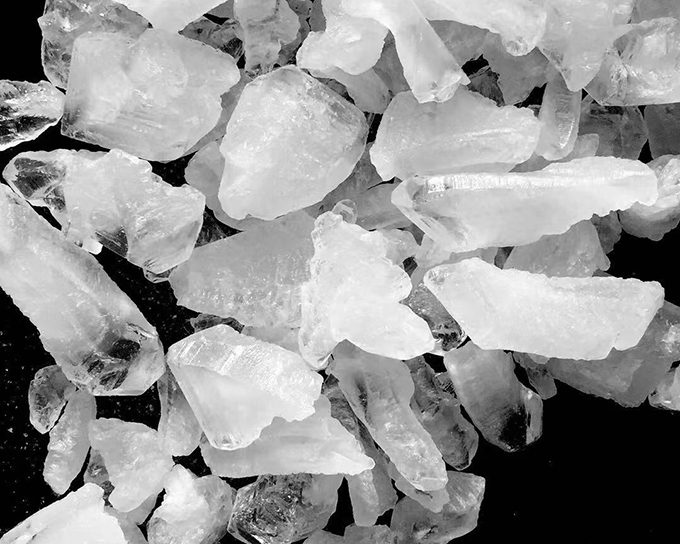
- Food-grade (not industrial) material
- Consistent crystal or powder
- COA with heavy-metal limits
- Packaging that keeps moisture out
FAQ
Is alum in glass noodles safe? Within approved usage limits, yes. Confirm local regulation and the supplier’s food-grade certification.
Can I buy aluminum-free noodles? Yes, and the category is growing. Formulations with modified starch or gums are now common.
Does alum change the taste? At typical doses, no. It is a texture ingredient, not a flavor.
Conclusion
Food-grade alum is a traditional texture tool for starch foods — one with a long record and a shrinking regulatory footprint. For processors, the smart play is to know both the alum formulation and the aluminum-free alternative, and to choose by market.
Professional Water Treatment Chemical Supplier & One-Stop Industrial Solution Provider