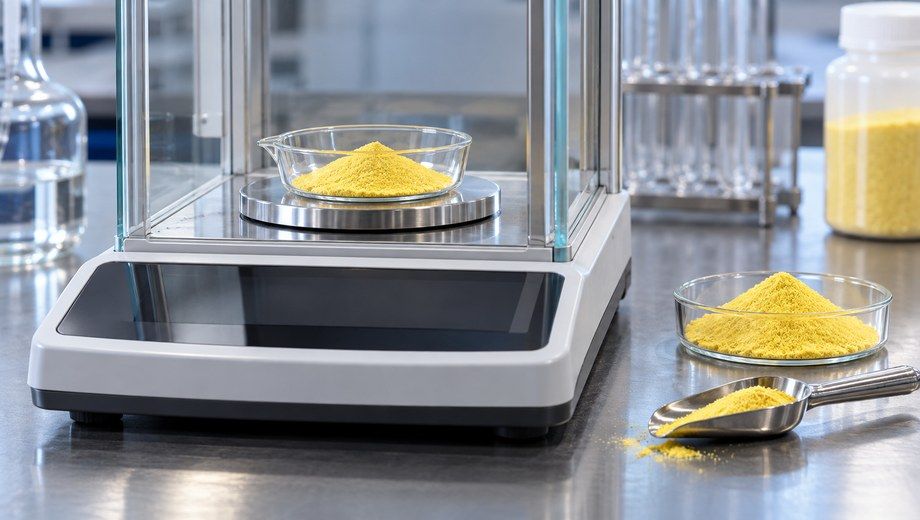
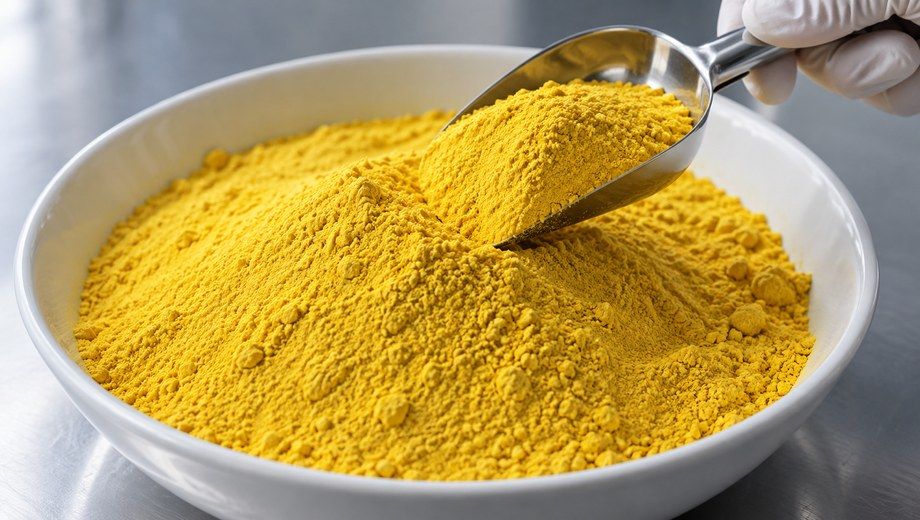
A photograph can show the condition of PAC powder, but it cannot establish its composition or treatment performance. To evaluate PAC quality before buying, combine a written specification, batch evidence and testing with representative water.
This approach answers two separate questions. Does the shipment match the agreed product specification? And does that product work in your treatment process? A reliable purchasing decision needs both answers.


Read the specification before the sales description
Start with the technical data sheet, or TDS. It should identify the product and state the properties against which deliveries will be assessed. Common items include Al₂O₃ equivalent content, basicity, insoluble matter and solution pH.
However, a number without a basis or method can be difficult to compare. Confirm whether the assay refers to supplied product or dry material. For pH, ask for the solution concentration and relevant test conditions. Insoluble matter results should likewise refer to a defined procedure.
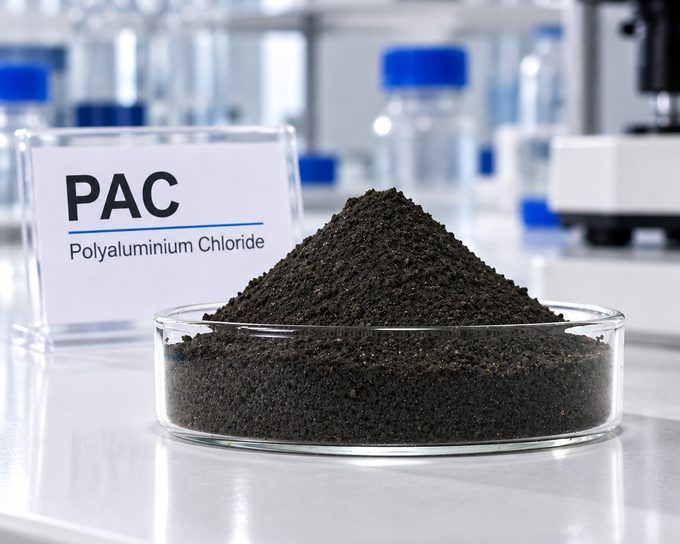
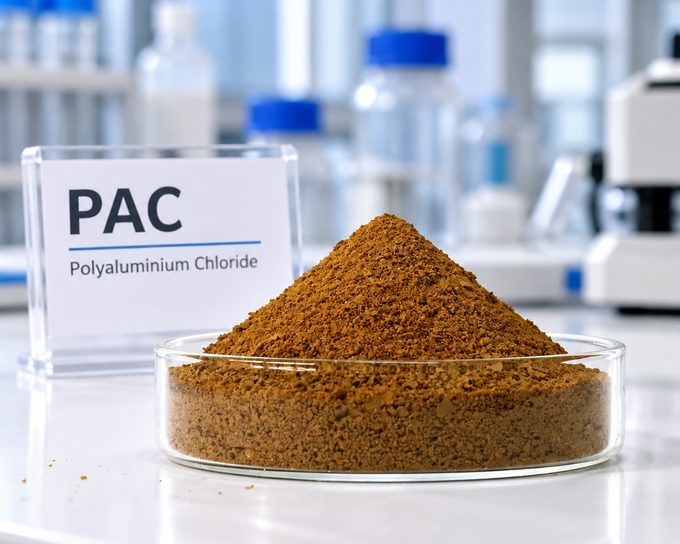
Appearance can be included as a handling or identification check. Nevertheless, yellow or white powder is not enough to demonstrate compliance with a chemical specification.
Check whether the COA describes a real batch
A certificate of analysis, or COA, should connect the test results to an identifiable production batch. Compare the product name and grade against the quotation, then check the batch number, test date, units and acceptance limits.
Actual numerical results are more informative than a page that repeats only the specification limits. Where a result is reported as “pass,” confirm the criterion used. In addition, distinguish a typical COA supplied during negotiation from the COA for the shipment you will receive.
| Check | Evidence to request | Question it answers |
| Product identity | Product name and grade on the TDS and COA | Are all documents about the same product |
| Composition | Batch results with units and reporting basis | Does the batch meet the agreed chemical limits |
| Test comparability | Relevant method and test conditions | Can the figures be compared meaningfully |
| Traceability | Batch number linked to bag labels and shipment records | Can a delivered lot be investigated |
| Application performance | Trial record with water conditions and dose | Does the product meet the treatment target |
Inspect the sample under realistic conditions
Examine the packaging seal, label and powder condition when the sample arrives. Some compaction can occur in transport, so assess whether it affects handling instead of judging the product only by appearance.
Next, prepare the solution using a documented concentration and mixing procedure. Record visible residue and preparation time. This makes a later comparison possible if a bulk shipment behaves differently.
Run a jar test with a dose series rather than one arbitrary dose. Keep the water sample and test conditions consistent between products. Consequently, differences in clarification can be interpreted with more confidence.
Look for consistency across deliveries
One acceptable sample does not establish ongoing supply quality. Ask for recent batch information where available, and agree how significant process or specification changes will be communicated.
During the first shipments, compare the incoming COA with retained samples and treatment records. A change in dose requirement could reflect product variation, raw water changes or preparation conditions. Therefore, investigate these factors together before assigning a cause.
For additional analytical checks, use a laboratory with suitable methods and a relevant scope of competence. ISO explains ISO/IEC 17025 for testing laboratories; laboratory competence should be assessed for the actual tests requested. This does not imply that every test must be outsourced.
Agree on acceptance before the purchase order
State the limits, sampling arrangements, retest procedure and response to an out-of-specification result in writing. Also define the packaging, storage information and records that must accompany delivery.
The SDS serves a separate purpose: it communicates safety and handling information. It should support the purchasing review, but it does not replace the COA or prove treatment performance.
Send KolinSC your target PAC specification and application requirements when requesting documents. A defined acceptance standard makes it easier to assess an offered grade and its batch information.
Professional Water Treatment Chemical Supplier & One-Stop Industrial Solution Provider