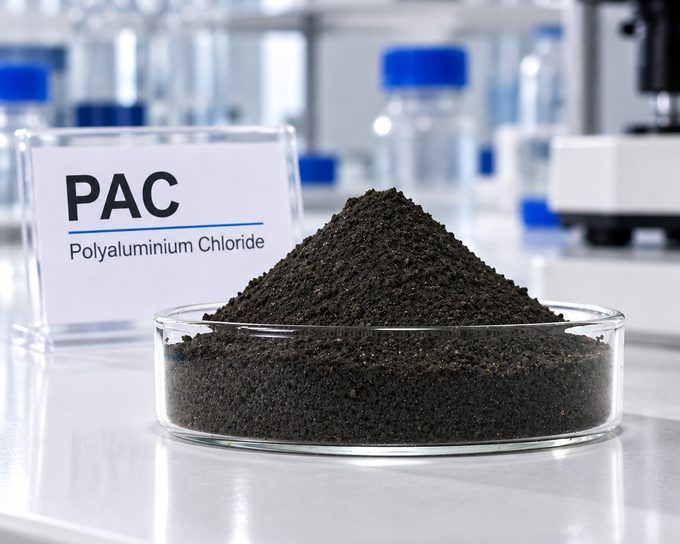
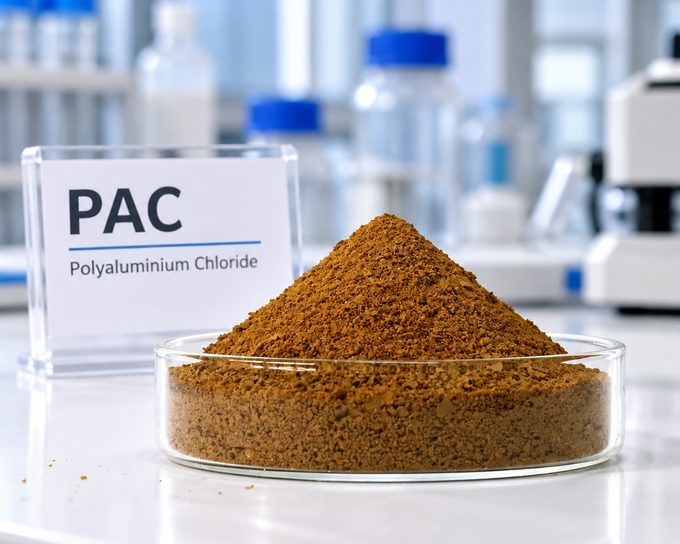
PAC 28% and PAC 30% differ in their stated aluminum oxide equivalent content. However, that difference alone cannot tell you which product will treat your water more effectively. For buyers comparing PAC 28% vs 30%, the useful starting point is concentration; the final decision depends on treatment performance and total operating cost.
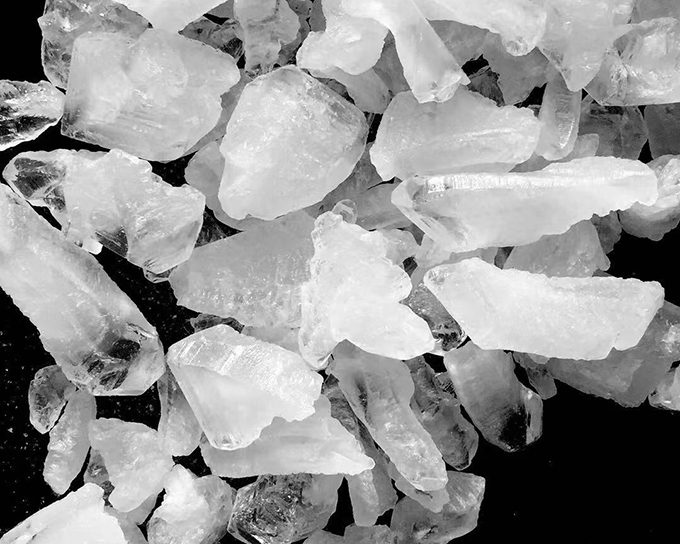
Polyaluminum chloride, also spelled polyaluminium chloride, is an aluminum-based coagulant. Suppliers commonly express its aluminum content as Al₂O₃ equivalent. This is a reporting convention, rather than a claim that the powder contains that percentage of free aluminum oxide.

Compare the numbers on the same basis
Before comparing quotations, confirm whether the percentage applies to the product as supplied or to a dry basis. In addition, check whether 28% and 30% are minimum specifications, nominal grade names or actual batch results. A grade label and a certificate of analysis do different jobs.
For example, one metric ton of product at exactly 28% Al₂O₃ equivalent contains 280 kg of that equivalent. At exactly 30%, the same product mass contains 300 kg. Therefore, the 30% product provides about 7.1% more Al₂O₃ equivalent per kilogram than the 28% product.
To supply the equivalent contained in 1,000 kg of 28% PAC, the theoretical mass of 30% PAC is:
1,000 × 28 ÷ 30 = approximately 933 kg.
That is about 6.7% less product mass. However, this is a concentration calculation, not a prediction of the dose required in a treatment plant.
Why treatment performance can differ
Basicity describes the degree of neutralization of PAC relative to its aluminum content. It can affect the product’s behavior during coagulation. Meanwhile, insoluble matter affects the residue left during solution preparation, and solution pH helps characterize the product under specified test conditions.
Raw water also matters. Changes in alkalinity, temperature, organic matter and turbidity can alter the dose needed. Consequently, a product with a higher stated Al₂O₃ content may still perform poorly if its overall chemistry does not suit the process.
| Comparison | PAC at 28% Al₂O₃ equivalent | PAC at 30% Al₂O₃ equivalent |
| Equivalent per 1,000 kg of supplied product | 280 kg | 300 kg |
| Relative concentration | Reference | About 7.1% higher |
| Required plant dose | Establish through testing | Establish through testing |
| Basicity and insoluble matter | Check the actual specification | Check the actual specification |
| Drinking water suitability | Confirm application requirements | Confirm application requirements |
These figures assume exact concentrations measured on the same basis. Actual batch values may differ from the grade names.
Compare cost per unit of equivalent and cost per treated volume
A first screening calculation is the delivered price per kilogram divided by the Al₂O₃ equivalent mass fraction. For instance, divide the price by 0.28 for a product at exactly 28%. This helps compare concentration, provided the other conditions are comparable.
The more useful operating calculation is:
Chemical cost per m³ = delivered price per kg × product dose in mg/L ÷ 1,000.
Use the dose that achieves the required treatment result. Then include preparation costs, pH adjustment, sludge handling and any equipment effects. As a result, the cheapest product per ton may not have the lowest cost per cubic meter.
Test before changing the established grade
Run a controlled dose series using representative water. Keep preparation conditions, mixing and settling times consistent so the comparison is meaningful. Record settled turbidity, final pH and floc behavior; add other measurements required by your process.
For background on coagulation evaluation, see the US EPA guidance manuals for surface water treatment. These publications provide technical context, rather than approval of a particular PAC grade.
Once a promising product has been identified, confirm its behavior in a supervised plant trial. Seasonal water changes may also justify further testing.
What to include in your inquiry
Send the intended application, current PAC specification, approximate consumption and destination. If available, include raw water data and the target treated water quality. KolinSC can discuss the product information needed to compare available PAC grades against those requirements.
Professional Water Treatment Chemical Supplier & One-Stop Industrial Solution Provider