To choose the right PAC grade, start with the water and the treatment target. A specification that works well for one plant may need a different dose or produce different results elsewhere. Therefore, buying by Al₂O₃ content or powder color alone is an unreliable shortcut.
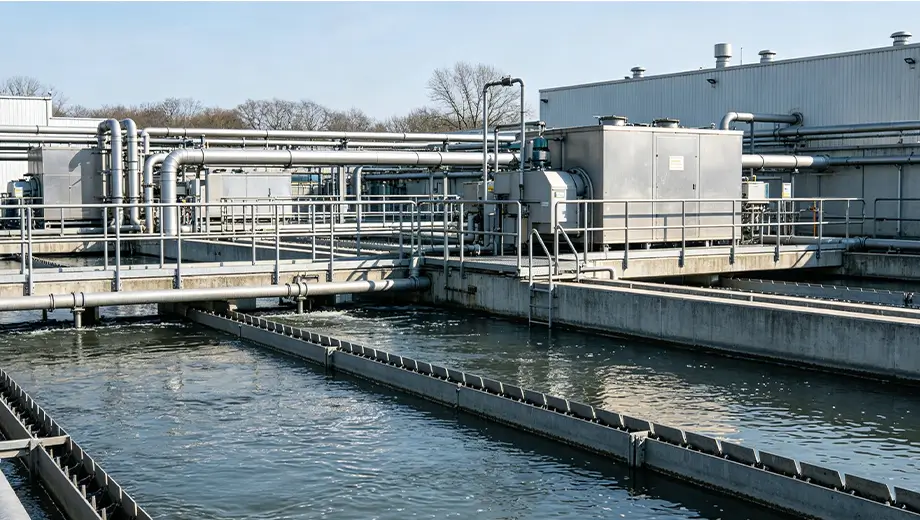
Polyaluminum chloride is used for coagulation before processes such as clarification and filtration. Its grade should fit both the water chemistry and the site’s chemical preparation system. The following sequence helps turn a broad product inquiry into a useful technical comparison.
Define the result your process needs
First, describe the treatment stage. Are you clarifying raw surface water, treating industrial wastewater or preparing water for a later process? Then identify the measurements that define success, such as turbidity, suspended solids or a specific color target.
Separate the required outcome from the product specification. For example, a low insoluble matter limit describes the chemical, whereas a settled turbidity target describes the treatment result. Both matter, but neither replaces the other.
Where drinking water is involved, confirm the applicable acceptance requirements before shortlisting products. A supplier’s description of “drinking water grade” is not, by itself, evidence of approval in your market. The NSF guidance on treatment chemical certification explains how certification can relate to the product, facility and supply chain. Requirements should still be checked with the responsible authority.
Build a short raw water profile
Useful starting data include pH, alkalinity, turbidity and temperature. In addition, describe the source and any seasonal changes. Where relevant, provide information on organic matter, color or upstream chemical dosing.
Alkalinity deserves attention because it reflects the water’s capacity to resist pH change. However, pH alone does not describe that capacity. Two samples at a similar initial pH can respond differently when a coagulant is added.
If detailed data are unavailable, begin with a representative sample and basic measurements. Tell the supplier what is unknown so the first trial can address it.
Compare specifications that influence operation
Check Al₂O₃ equivalent content and its reporting basis. Next, compare basicity, insoluble matter and solution pH, including the concentration used for the pH test. Relevant impurity limits should reflect the intended application.
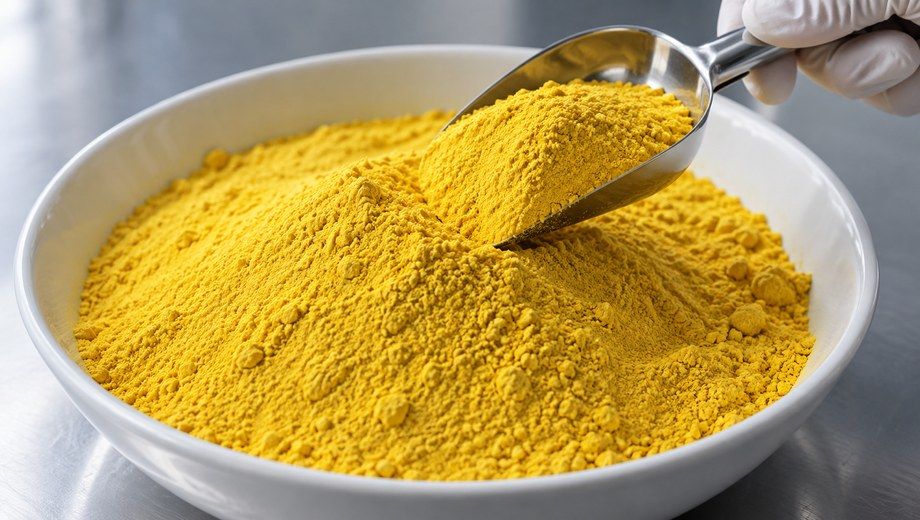
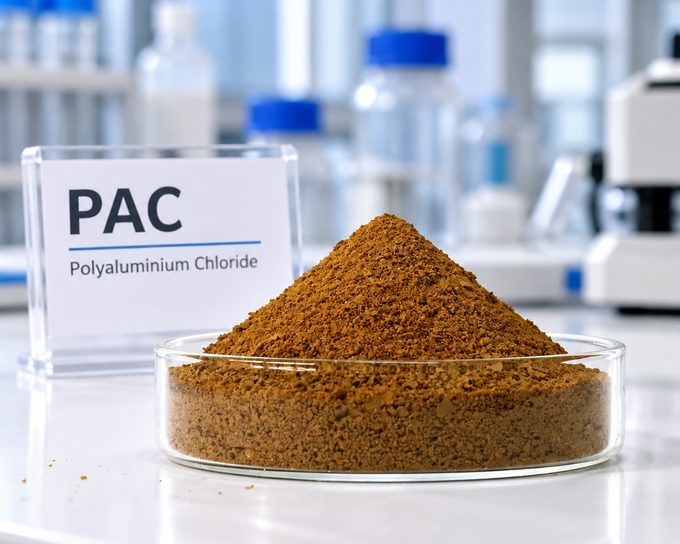
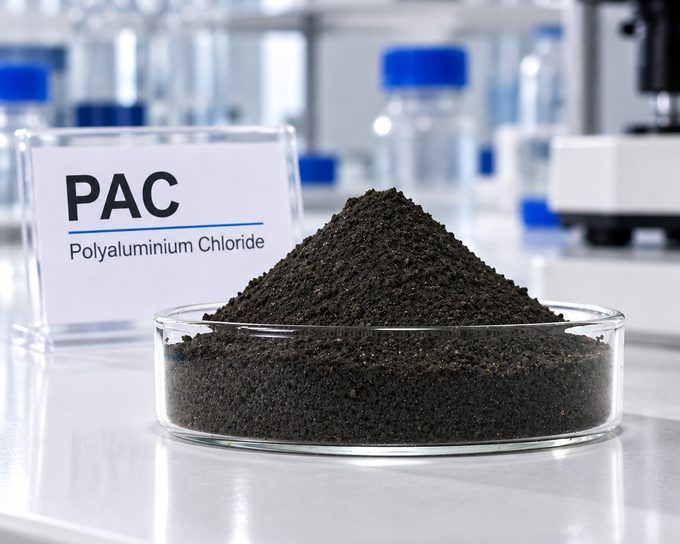
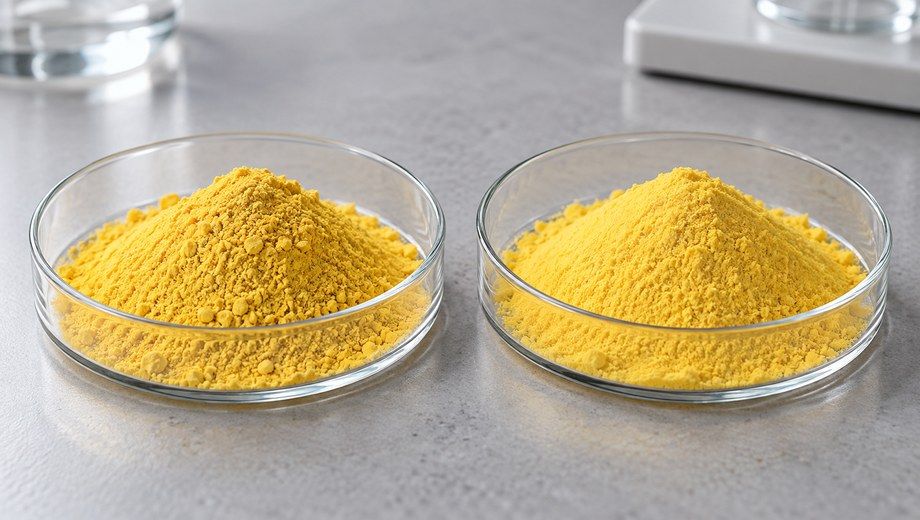
For solid PAC, also examine dissolution behavior and the condition of the powder. Meanwhile, a liquid product requires concentration and density information for volumetric dosing calculations. Avoid comparing a solid and a liquid simply by price per ton.
Basicity should be considered alongside the water profile. Higher basicity is not a universal quality ranking, and a single “best” range cannot be assumed for every plant. Ask how the proposed specification will be evaluated under your conditions.
Match the grade to the preparation equipment
A suitable coagulant must work with the site’s storage, mixing and dosing arrangements. For instance, a powder that leaves excessive preparation residue may create maintenance problems even when laboratory clarification looks acceptable.
Confirm the recommended preparation method, usable solution concentration and material compatibility using the product documentation. In addition, review available mixing time and the handling conditions operators can realistically maintain.
Use a controlled selection trial
Shortlist a manageable number of candidates. Prepare each according to its instructions, then compare a dose series with the same water and test procedure. Keep a record of dose, final pH, clarification results and observations about the floc.
If a polymer is already used downstream, include that treatment sequence in the evaluation. Otherwise, the laboratory test may not represent the operating plant.
A successful jar test supports a plant trial; it does not automatically establish long-term performance. Consequently, monitor the first deliveries and revisit the selection when source water changes materially.
Finish with an agreed purchase specification
Write down the chosen grade, acceptance limits, test methods, packaging and batch documentation. This creates a shared reference for future deliveries. It also makes supplier comparisons more useful than a general request for “high-quality PAC.”
For an initial discussion with KolinSC, send your application, water profile, existing chemical program and required documents. Those details help narrow the available grades before sample evaluation.
Contact Us: [email protected] | WhatsApp: +8615981897729
Professional Water Treatment Chemical Supplier & One-Stop Industrial Solution Provider