The main difference between anionic and cationic PAM is the charge carried by the polymer. Anionic grades contain negatively charged groups, whereas cationic grades contain positively charged groups. However, charge sign alone does not determine the best product for a particular water or sludge.
When comparing anionic vs cationic PAM, consider how the polymer interacts with the solids and how those solids will be separated. Molecular weight, charge density, water chemistry and mixing conditions all contribute to the result.

What the polymer does during flocculation
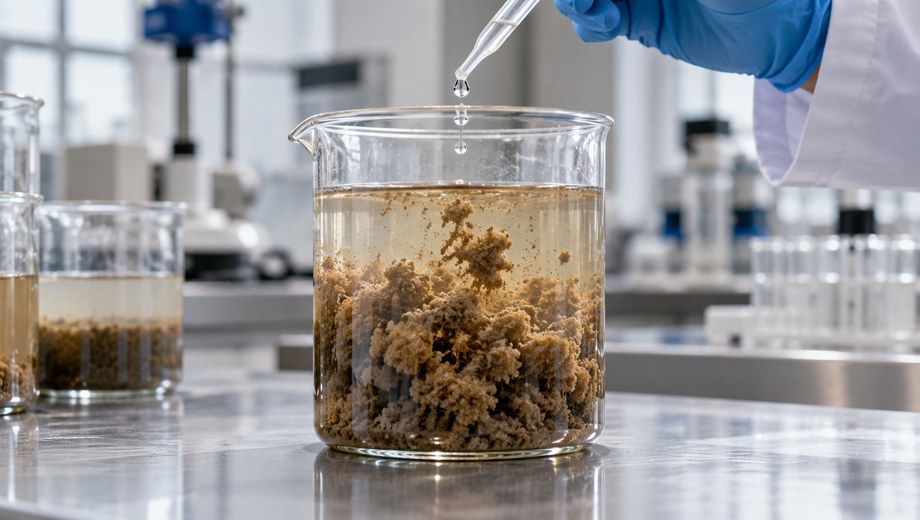
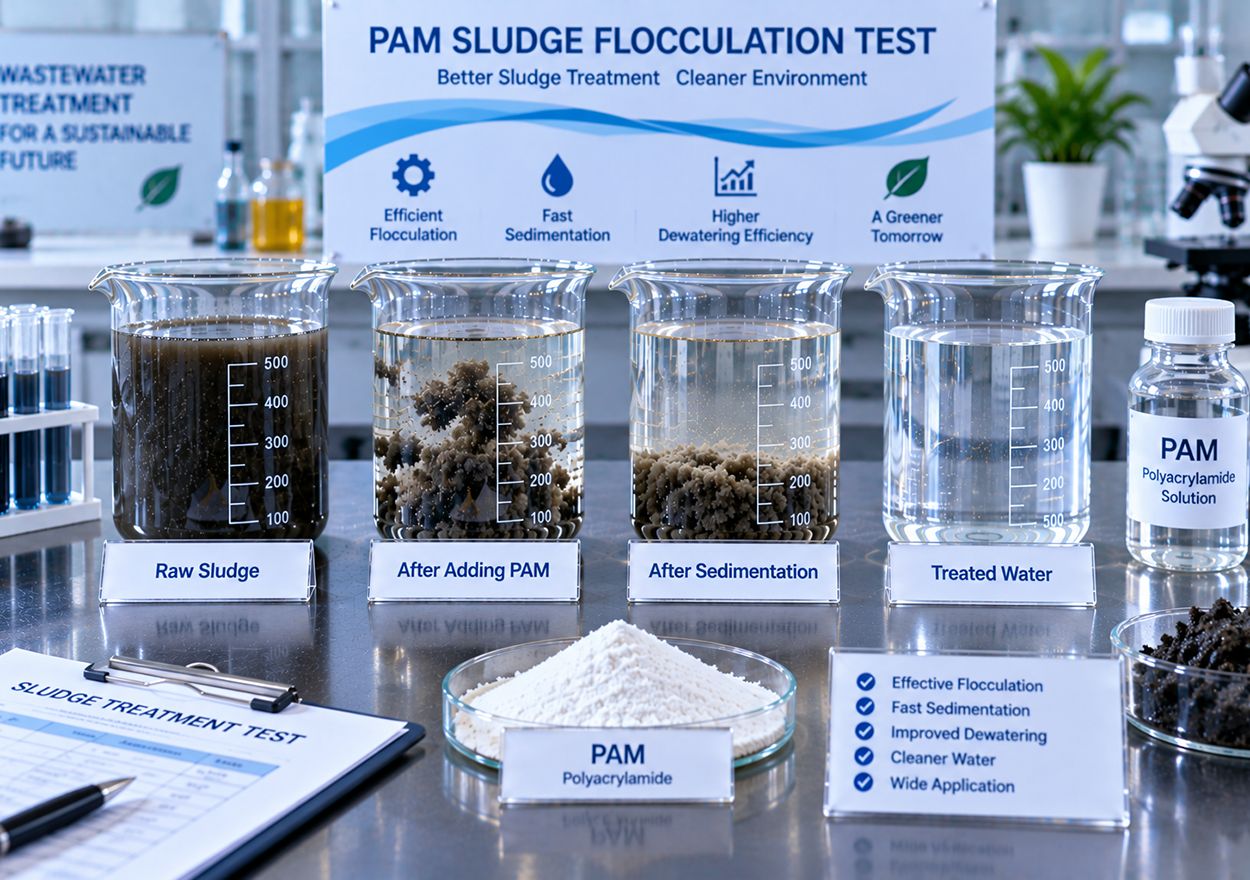
Polyacrylamide-based flocculants help small particles form larger aggregates. Polymer chains can attach to particle surfaces and bridge between them. Depending on the grade and conditions, charge interactions also contribute to particle destabilization and aggregation.
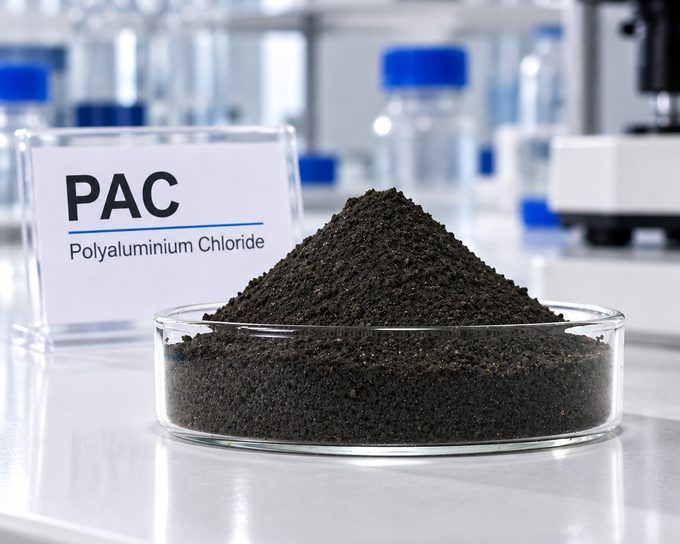
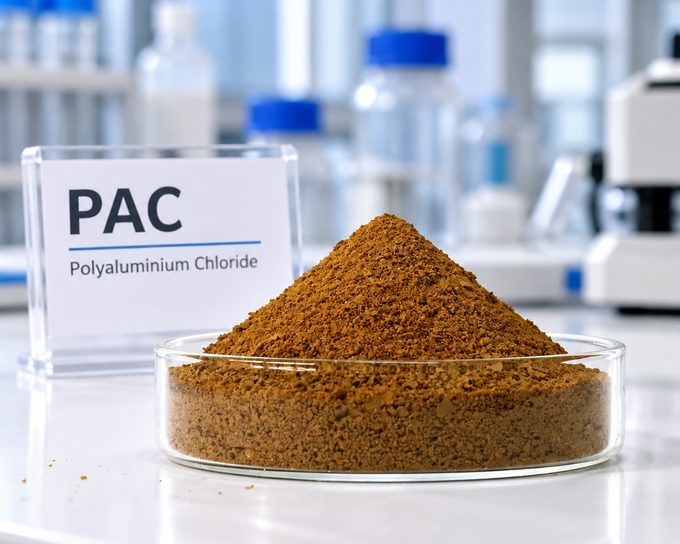
An inorganic coagulant such as PAC and a polymer flocculant can therefore have different roles in the same treatment sequence. Simply replacing one with the other may change the process. Their addition points and order should be evaluated together.
For technical background, SNF describes polymer characteristics and flocculation. This manufacturer publication explains the relationship between polymer properties and particle aggregation; it is not a performance comparison between suppliers.
Compare common starting points for trials
Cationic PAM is often screened for organic and biological sludge conditioning. Anionic PAM is frequently screened for mineral suspensions and some coagulated industrial waters. These are starting points for evaluation, rather than rules that assign every wastewater to one polymer type.
For example, upstream coagulants can alter the surfaces available for polymer adsorption. Similarly, changes in pH or dissolved salts can affect the interaction between the polymer and the solids. A label such as “mining wastewater” is therefore insufficient to finalize a grade.
| Selection factor | Anionic PAM | Cationic PAM |
| Charge sign | Negative | Positive |
| Common screening context | Mineral suspensions and some industrial clarification processes | Organic sludge and many sludge conditioning processes |
| Properties to compare within the type | Charge density, molecular characteristics and supplied form | Charge density, molecular characteristics and supplied form |
| Evidence needed for selection | Representative tests and process validation | Representative tests and process validation |
Why charge density matters within each type
Two cationic grades can carry different levels of charge and perform differently on the same sludge. Likewise, anionic products can differ in charge density and molecular characteristics. Consequently, identifying the ionic type is only the first stage of selection.
Ask how the supplier expresses charge density and determines molecular weight. Commercial values are not always directly comparable across measurement methods. A meaningful screening plan should include several suitable candidates within the relevant range.
Three assumptions that can lead to a poor choice
The first is that opposite charges always provide a complete selection rule. Particle surface chemistry is more complex, especially after other treatment chemicals have been added. Charge sign helps narrow the options, but it cannot replace testing.
The second is that higher molecular weight always gives better separation. Longer chains may support bridging, yet preparation quality, mixing and the dewatering equipment still matter. An impressive laboratory floc can behave differently under plant shear.
The third is that a larger dose will fix every weak result. Excess polymer can increase cost and may impair separation. Therefore, compare a dose series before deciding that the product simply needs more chemical.
Include the preparation system in the comparison
Powder and emulsion products require different preparation procedures. Follow the instructions for the actual supplied grade, including hydration or activation requirements. In addition, compare trial doses on a stated basis, especially when products have different active polymer contents.
Fresh, properly prepared solutions make the trial more useful. Incomplete preparation can otherwise make a suitable grade appear ineffective.
Decide from the separation result
For clarification, record the relevant water quality and settling behavior. For dewatering, also assess filtrate or centrate quality, solids capture and cake condition. The selected polymer should meet the operating target at an acceptable total cost.
When discussing PAM with KolinSC, describe the water or sludge source, existing chemicals and separation equipment. These details are more useful than requesting an anionic or cationic grade without process information.
Professional Water Treatment Chemical Supplier & One-Stop Industrial Solution Provider