If you are formulating a mineral deodorant, you have three ways to buy potassium alum — and the choice changes everything downstream. This guide walks through the options, the specs buyers actually need, and the regulatory line between deodorant and antiperspirant.
The One Distinction That Matters
First, deodorant ≠ antiperspirant. A deodorant controls odor; an antiperspirant reduces wetness. In the U.S., the FDA regulates antiperspirants as OTC drugs, while deodorants are cosmetics. Potassium alum traditionally sits on the deodorant side of that line. Do not let marketing slide it into antiperspirant claims without the regulatory work.
Three Physical Forms
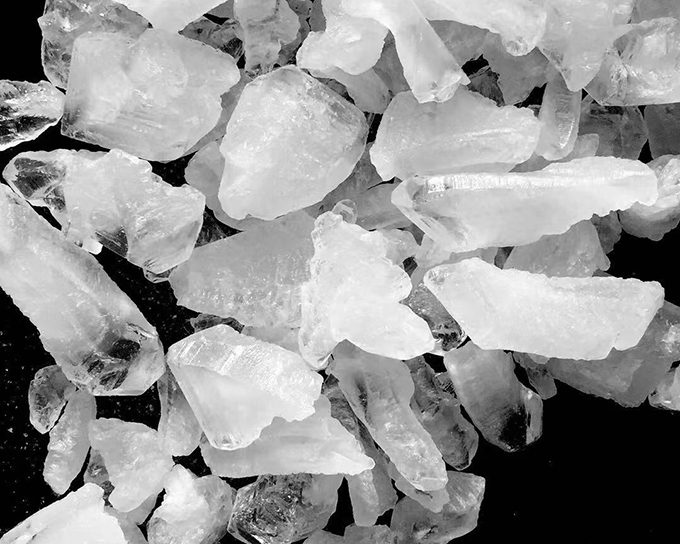
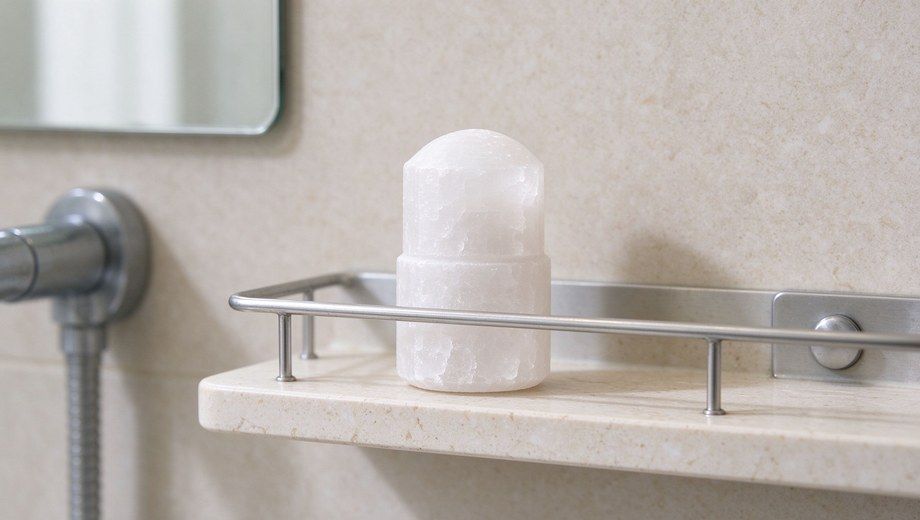
Crystal
A polished, ready-to-use stone. Wet it, rub it on, done. Best for:
- Premium “zero-ingredient” deodorant brands
- Gift and travel formats
- Brands selling the visual mineral experience
Key specs: clarity, size, surface polish, absence of cracks.
Block
Larger bulk alum that you cut, polish, or machine into finished shapes. Best for:
- Brands manufacturing their own stones
- Custom shapes and embossing
Key specs: block dimensions, transparency, color consistency, crystal structure.
Powder
Dissolved into sprays, roll-ons, or powder products. Best for:
- Liquid deodorants and foot powders
- Formulations where a solid stone does not fit
Key specs: particle size, solubility, dust, moisture.
What to Actually Ask Your Supplier
| Spec | Why |
|---|---|
| Purity and heavy metals | Cosmetics regulation (EU SCCS, FDA) |
| Crystal appearance | Consumer-facing product |
| Particle size (powder) | Dispersion |
| Moisture / insolubles | Shelf stability |
| COA, SDS, TDS | Compliance |
| Packaging | Hygienic, moisture-proof |
A Realistic Note on Sensitive Skin
“Natural” does not mean “foolproof.” Case reports of irritation from alum crystals exist. Formulators should recommend a patch test on the packaging and avoid applying to broken skin.
FAQ
Does alum stop sweat? No — it is a deodorant, not an antiperspirant. It works on odor-causing surface conditions, not on sweat glands.
Is alum aluminum chlorohydrate? No. Different chemistry, different regulatory category.
How long does a crystal last? Months, typically, with daily use — that durability is part of its brand story.
Conclusion
Crystal, block, or powder: the right form is the one that matches your product format and your regulatory posture. Buy cosmetic-grade material, demand the COA, and keep claims on the deodorant side of the line.
*KolinSC supplies alum stones, blocks, and powder. Request samples →
Professional Water Treatment Chemical Supplier & One-Stop Industrial Solution Provider