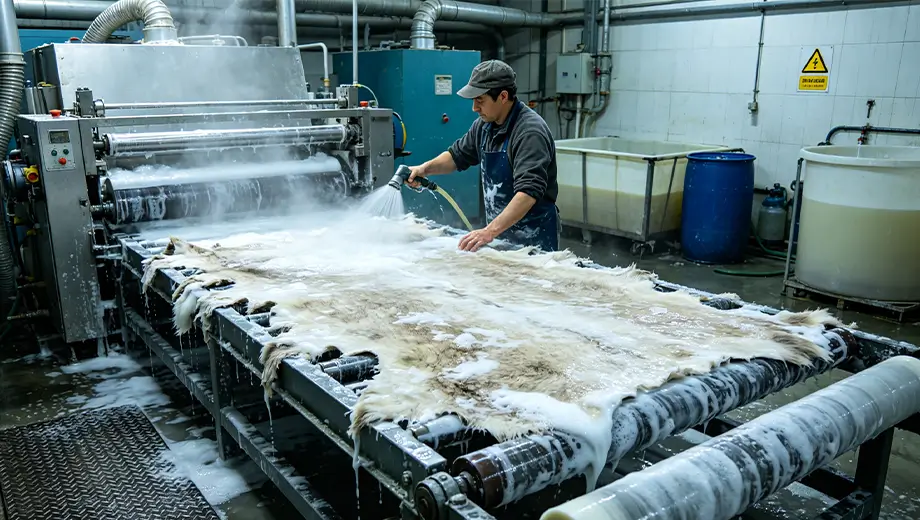
Fresh jellyfish is almost water. Its delicate, collagen-rich bell falls apart the moment it leaves the ocean unless it is preserved within hours. For centuries, coastal processors have used a salt-and-alum cure to turn that soft, perishable tissue into the crisp, bouncy product markets around the world expect.
That is the job of food-grade potassium alum in jellyfish processing.
Why Jellyfish Needs Curing
A fresh jellyfish bell is roughly 95% water. Left alone, it collapses, leaks, and turns rubbery. Traditional processing therefore uses repeated salt-and-alum treatment over days, which does three things at once:
- Drives out moisture — the salt draws water from the tissue.
- Tightens the protein network — aluminum ions interact with collagen, firming the texture.
- Stabilizes the shape — the bell keeps its form through transport and storage.
The result is the crisp, elastic bite consumers associate with dressed jellyfish salad.
What Food-Grade Alum Is
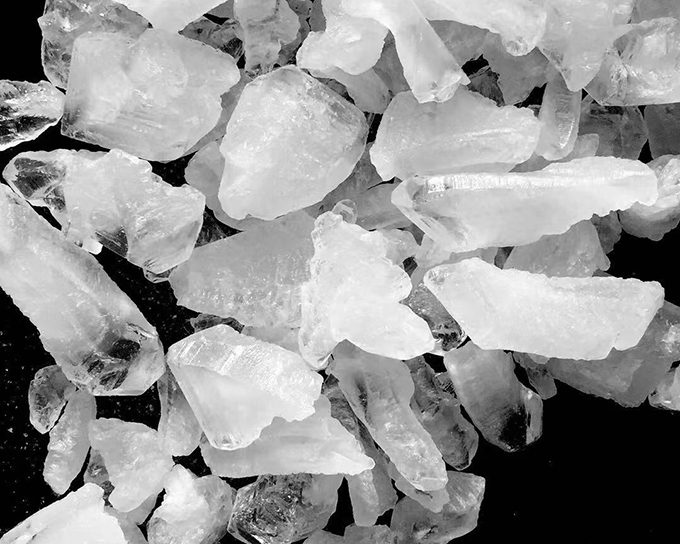
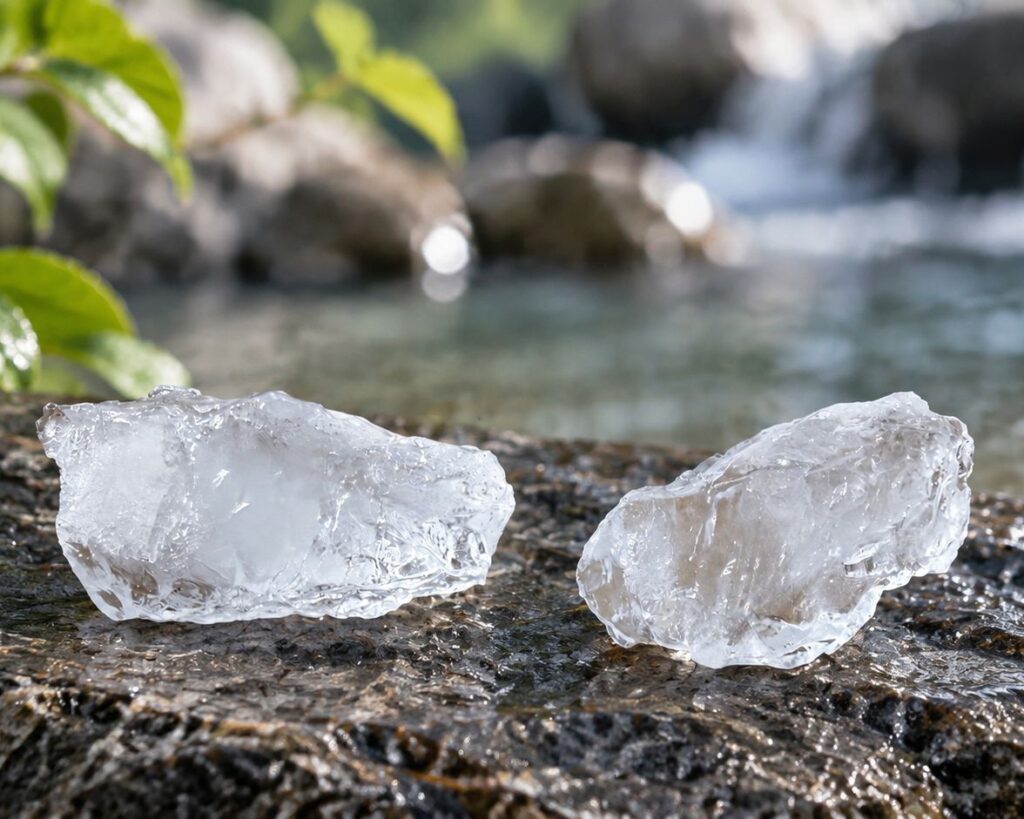
Food-grade potassium alum is KAl(SO₄)₂·12H₂O, supplied as crystals, blocks, or powder. In food use it is not the same product as industrial or water-treatment alum — purity, heavy-metal limits, and solubility all differ.
Processors buy it for:
- Firmness and elasticity
- Shape retention during handling
- Moisture control
- Batch-to-batch consistency
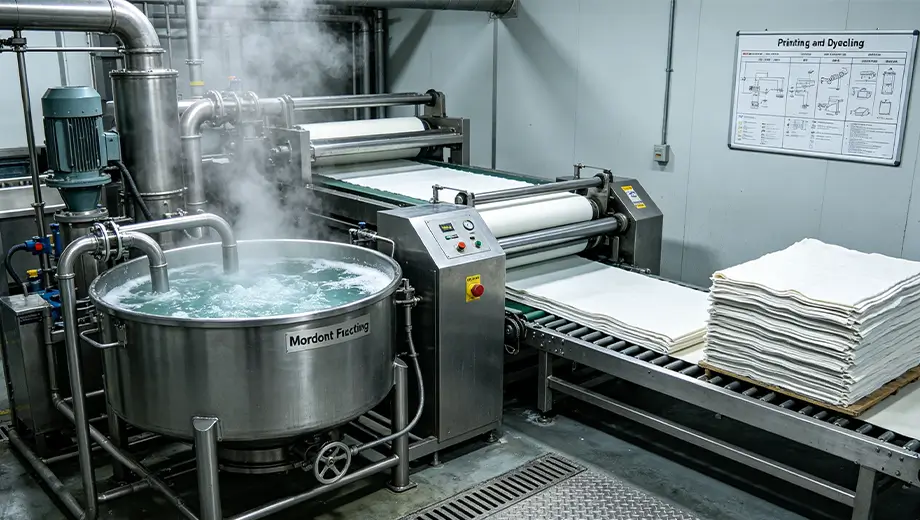
The Traditional Cure, Step by Step
Although exact recipes vary by region and processor, the broad pattern is familiar:
- Separate the bell from the oral arms immediately after catch.
- Salt and alum in repeated layers, turning the bell over days.
- Drain and re-cure until moisture and pH reach target.
- Rinse and soak before slicing or packing.
Crucially, the dose is never fixed. It depends on species, season, bell size, and target texture. Experienced processors adjust by feel and by moisture measurement.
What to Look for in a Supplier
For food use, documentation matters:
- COA with batch-specific purity and heavy-metal results
- Food-grade certification recognized in the target market
- Consistent crystal or powder form
- Moisture and insoluble-matter specs
Regulatory Note
Because alum contains aluminum, its food use is regulated. Approved categories, maximum usage levels, and labeling requirements differ by country. Processors must confirm the local rules — and increasingly, buyers are asking for aluminum-free texture modifiers. Food-grade alum remains an option, but it is not the only one.
FAQ
Is potassium alum safe in food? When used within approved limits and with food-grade material, yes — regulators set those limits. Verify your market’s rules.
Can alum replace salt in jellyfish curing? No. Salt drives out moisture; alum firms the protein. The two work as a system.
What form should I buy? Traditional processors often prefer crystal or block; modern plants may use powder for dosing consistency.
Conclusion
Jellyfish processing is one of the oldest continuous food uses of potassium alum. It works because it firms collagen and controls moisture — nothing more, nothing less. For processors, the winning combination is traditional know-how, food-grade material, and regulatory awareness.
Professional Water Treatment Chemical Supplier & One-Stop Industrial Solution Provider