Introduction
Industrial wastewater treatment is an essential part of modern industrial production and environmental protection. Industries including textile manufacturing, mining, chemical processing, pharmaceuticals, food processing, paper production and metal processing generate wastewater containing suspended solids, colloidal particles, organic pollutants, oils and other contaminants.
Modern wastewater treatment combines physical, chemical, biological and advanced technologies. Among these methods, chemical treatment plays a critical role by using specific chemicals to improve pollutant removal, solid-liquid separation and treatment stability.
Poly Aluminium Chloride (PAC) and Polyacrylamide (PAM) are two widely used water treatment chemicals. PAC mainly performs coagulation, while PAM improves flocculation and sludge dewatering performance.
Common Chemical Treatment Methods for Industrial Wastewater
Chemical treatment involves adding chemicals to wastewater to promote neutralization, coagulation, flocculation, precipitation, oxidation or reduction reactions.
The main methods include:
| Treatment Method | Main Purpose | Typical Application |
| Neutralization | Adjust pH | Acidic and alkaline wastewater |
| Coagulation | Remove suspended solids and colloids | Industrial clarification |
| Flocculation | Improve particle aggregation | Solid-liquid separation |
| Precipitation | Remove dissolved pollutants | Heavy metal removal |
| Oxidation/Reduction | Break down difficult pollutants | High-strength wastewater |
1. Chemical Neutralization
Chemical neutralization is mainly used for acidic or alkaline wastewater. Suitable chemicals are added to adjust pH and create better conditions for later treatment processes such as coagulation and biological treatment.
2. Chemical Coagulation and the Role of PAC
Coagulation is one of the most common chemical treatment methods. Many industrial wastewater streams contain fine suspended particles and colloids that cannot settle naturally. Coagulants neutralize particle charges and allow them to form larger aggregates.
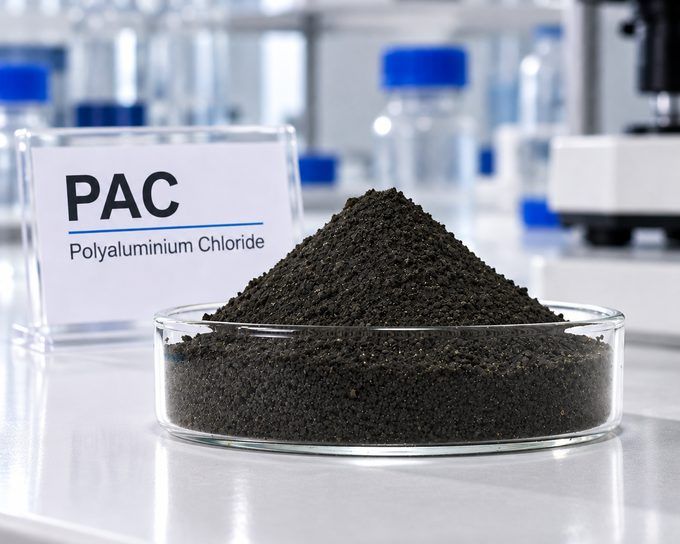
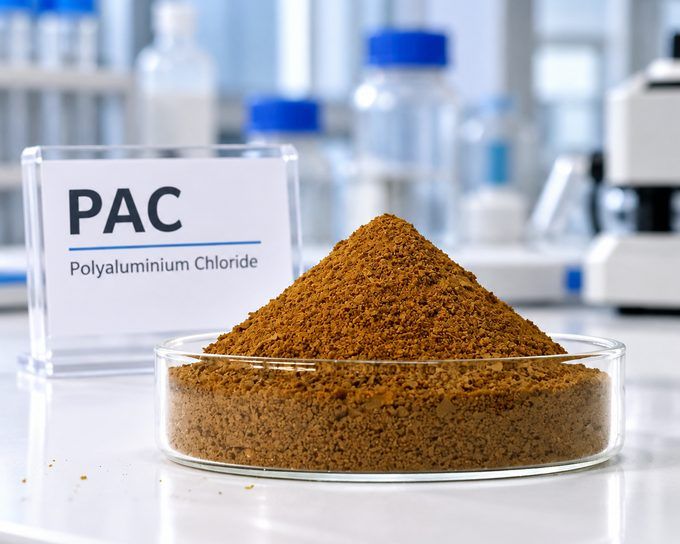
Poly Aluminium Chloride (PAC) is an inorganic polymer coagulant widely used in industrial wastewater treatment. It helps remove suspended solids, turbidity and colloidal particles.
Advantages of PAC include:
- High coagulation efficiency
- Wide application range
- Stable treatment performance
- Good adaptability to different wastewater conditions
| PAC Factor | Treatment Importance |
| Al2O3 Content | Influences coagulation performance |
| Basicity | Affects particle destabilization |
| Solubility | Ensures efficient dispersion |
| Product Stability | Provides consistent results |
3. Chemical Flocculation and the Role of PAM
After coagulation, flocculation helps small particles combine into larger and stronger flocs.
Polyacrylamide (PAM) is a high molecular weight polymer flocculant used in wastewater treatment, sludge dewatering, mining wastewater treatment and papermaking applications.
PAM improves:
- • Floc formation
- • Sedimentation speed
- • Solid-liquid separation
- • Sludge dewatering performance
| PAM Type | Common Application |
| Anionic PAM | Mining and industrial wastewater clarification |
| Cationic PAM | Sludge dewatering |
| Nonionic PAM | Special wastewater conditions |
| Amphoteric PAM | Complex wastewater treatment |
4. Chemical Precipitation
Chemical precipitation removes dissolved pollutants such as heavy metals and inorganic compounds. Chemical agents convert dissolved substances into insoluble precipitates, which can then be removed by sedimentation or filtration.
5. Chemical Oxidation and Reduction
Some pollutants cannot be removed effectively by coagulation and flocculation alone. Oxidation and reduction technologies such as ozone oxidation, Fenton oxidation and advanced oxidation processes may be applied for difficult-to-degrade wastewater.
Applications of PAC and PAM in Industrial Wastewater Treatment
PAC and PAM are often used together because they have complementary functions.
Treatment Process: Industrial Wastewater → PAC Coagulation → PAM Flocculation → Sedimentation/Flotation → Solid-Liquid Separation → Further Treatment
PAC destabilizes particles, while PAM creates stronger flocs and improves separation efficiency.
| Chemical | Main Function | Treatment Stage |
| PAC | Coagulation and particle destabilization | Coagulation |
| PAM | Flocculation and sludge conditioning | Flocculation |
Industrial Applications
Textile Wastewater Treatment
Textile wastewater often contains color, suspended solids and organic pollutants. PAC and PAM can improve clarification and sludge separation.
Mining Wastewater Treatment
Mining wastewater contains fine mineral particles and high turbidity. PAC and PAM improve solid-liquid separation.
Paper Industry Wastewater Treatment
PAM improves fiber recovery and sludge dewatering performance.
Chemical Industry Wastewater Treatment
Complex chemical wastewater requires customized treatment solutions.
How to Select Suitable PAC and PAM Products
Selecting suitable treatment chemicals depends on wastewater characteristics, pollutant concentration, treatment objectives and discharge requirements.
Jar testing is commonly used to determine the optimal chemical type and dosage before full-scale operation.
Important selection factors:
- • Product quality
- • Chemical specifications
- • Technical support
- • Supply capability
- • Export experience
KolinSC Water Treatment Chemical Solutions
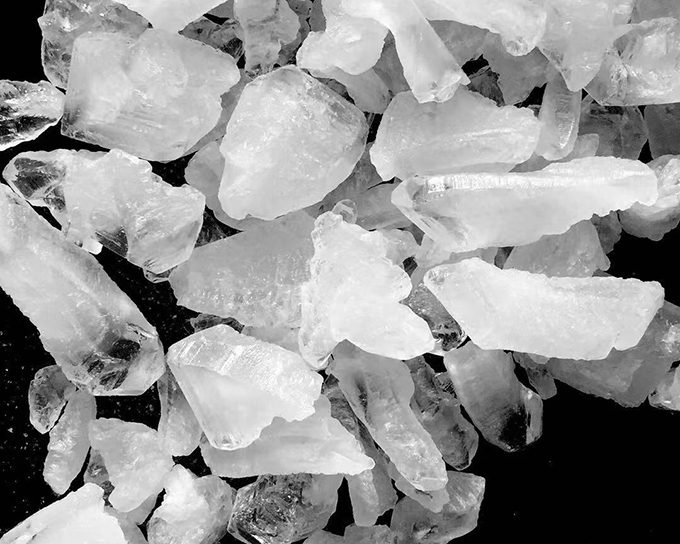
Henan Kolin Supply Chain Co., Ltd. supplies Poly Aluminium Chloride (PAC), Polyacrylamide (PAM), Potassium Alum and Ammonium Alum for global water treatment applications.
KolinSC provides reliable water treatment chemical supply solutions for industrial companies, engineering companies, distributors and overseas customers.