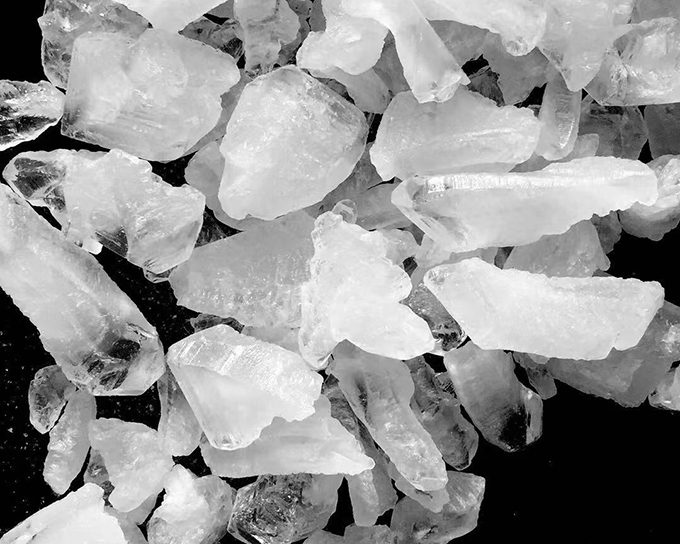
Raw surface water carries sand, clay, colloids, humic matter, algae, and other fines. These particles make water turbid, overload filters, and interfere with disinfection. For more than a century, alum has been the standard coagulant that turns those invisible fines into settleable flocs.
How Alum Purifies Water
- Destabilization — aluminum hydrolysis species neutralize negative particle charges.
- Floc formation — aluminum hydroxide precipitates form.
- Adsorption and sweep flocculation — fines and algae are trapped inside the growing flocs.
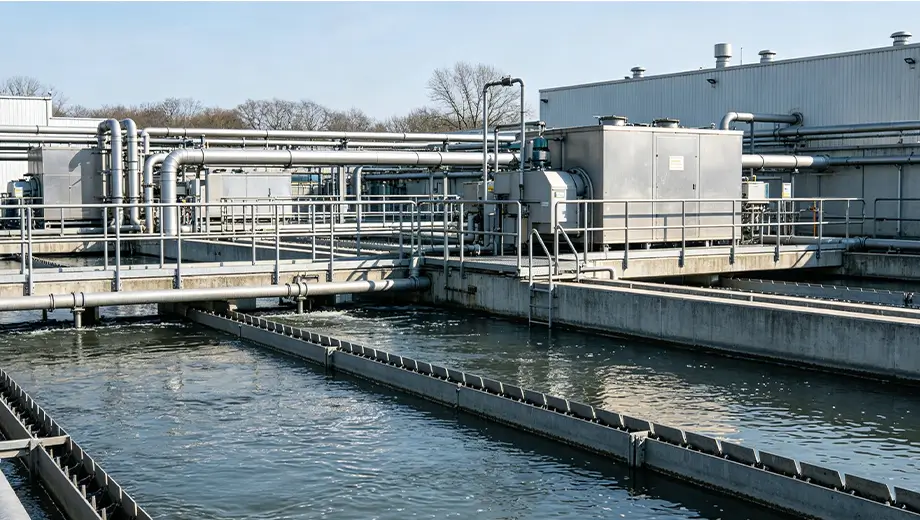
- Sedimentation — flocs settle in clarifiers, and the clarified water moves to filtration.

Typical Drinking-Water Flow
Intake → Screening → Alum coagulation → Rapid mix → Flocculation → Sedimentation → Filtration → Disinfection
Alum is a coagulant, not a disinfectant. Filtration and disinfection still follow.
Why Small and Mid-Size Plants Love Alum
- Simple solution preparation and dosing
- Low chemical cost at large volumes
- Proven, decades-old operation
- Reliable turbidity removal when dosed by jar test
Dosage and Residual Aluminum
More alum is not always better. Under-dosing leaves weak flocs; over-dosing raises chemical cost, sludge production, and residual aluminum in finished water. Key variables include turbidity, pH, alkalinity, temperature, and algae load. Therefore, always set dose by jar test, and monitor finished-water aluminum.
High-Turbidity Events
After storms, raw-water turbidity spikes. A well-controlled alum dose rapidly destabilizes the incoming clay and silt, protecting filters and preventing plant shutdowns. For deeper detail on high-turbidity operation, see our high-turbidity alum guide.
What Alum Removes — and What It Does Not
Alum removes suspended solids, turbidity, clay, algae, and particulate color. It does not remove dissolved salts, dissolved organic micropollutants, or viruses on its own. Those need activated carbon, membranes, or disinfection.
FAQ
Is alum safe for drinking water? Yes, when used at approved grades and doses within local standards. Monitor residual aluminum.
Does alum replace chlorine? No. Alum clarifies; chlorine, ozone, or UV disinfect.
Conclusion
Alum remains a practical, low-cost coagulant for drinking-water pretreatment — especially for smaller community systems. Optimize by jar test, watch residual aluminum, and keep it as one stage in a multi-barrier treatment train.
*KolinSC supplies water-treatment-grade alum for municipal and community supplies. Request spec sheet →
References: