Alum is usually discussed as a water-treatment coagulant. Nevertheless, it also serves as an aluminum-bearing feedstock in selected chemical manufacturing and formulation work. Its stable composition, commercial availability, and low cost make it an accessible source of aluminum ions.
What Is Alum?
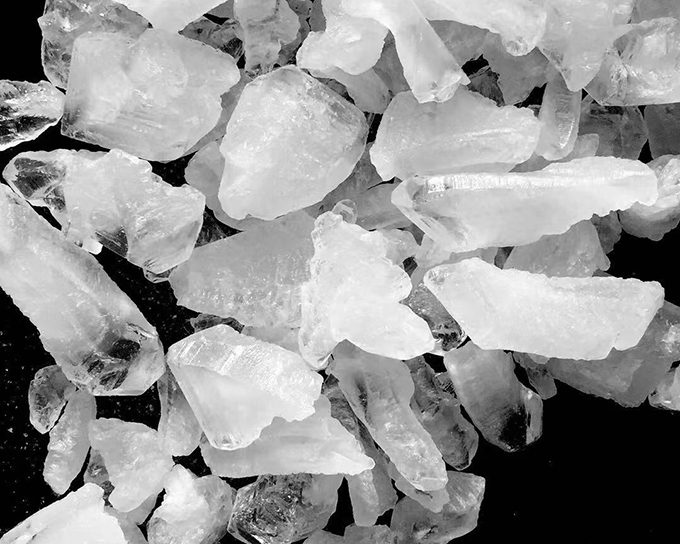
Commercially, alum most often refers to potassium aluminum sulfate dodecahydrate, KAl(SO₄)₂·12H₂O. When dissolved, it releases hydrolyzed aluminum species under controlled pH.
Alum as an Aluminum Source
Depending on the process, alum can be converted into other aluminum-based products through precipitation, ion exchange, or neutralization. Possible downstream materials include:
- Aluminum hydroxide
- Aluminum sulfate derivatives
- Specialized aluminum-containing compounds
- Adsorbent and functional-material precursors
Nevertheless, alum is not a universal precursor. It brings potassium and sulfate along, which must be handled in the material balance. Therefore, always compare it against aluminum hydroxide, alumina, and other commercial aluminum salts on full process economics.
Use in Formulations
Alum also finds its way into:
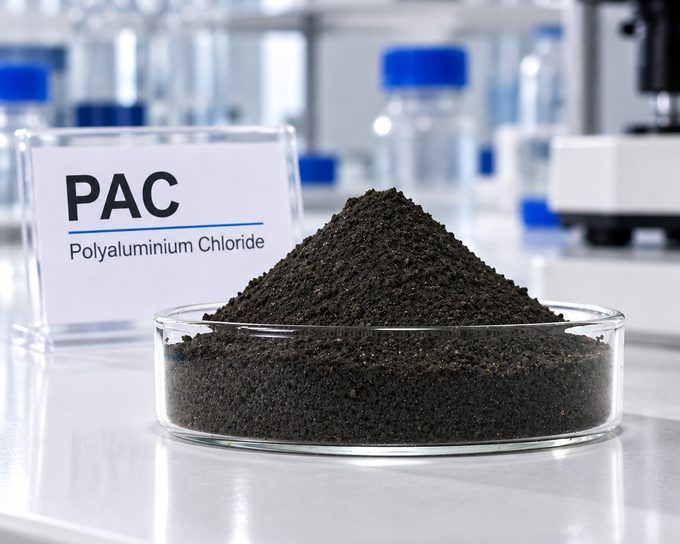
- Water-treatment blends — alongside PAC or PAM
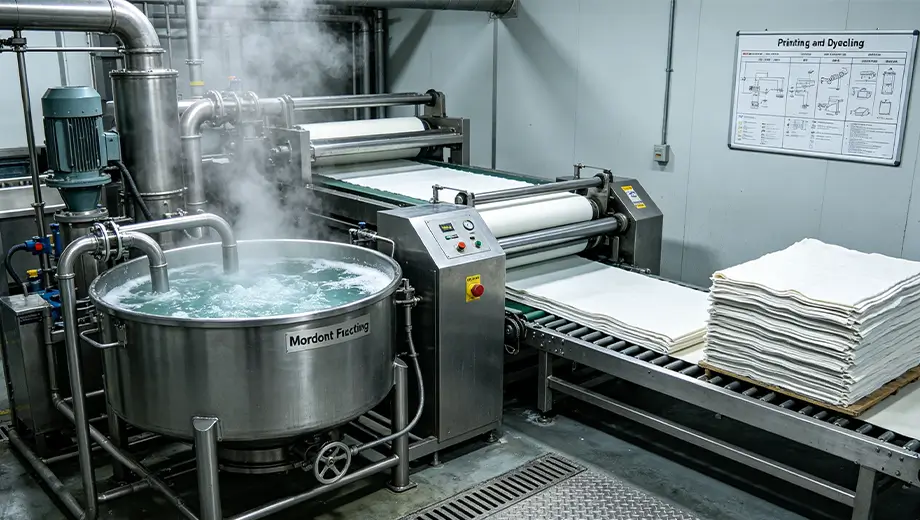
- Textile mordants — for natural dyes
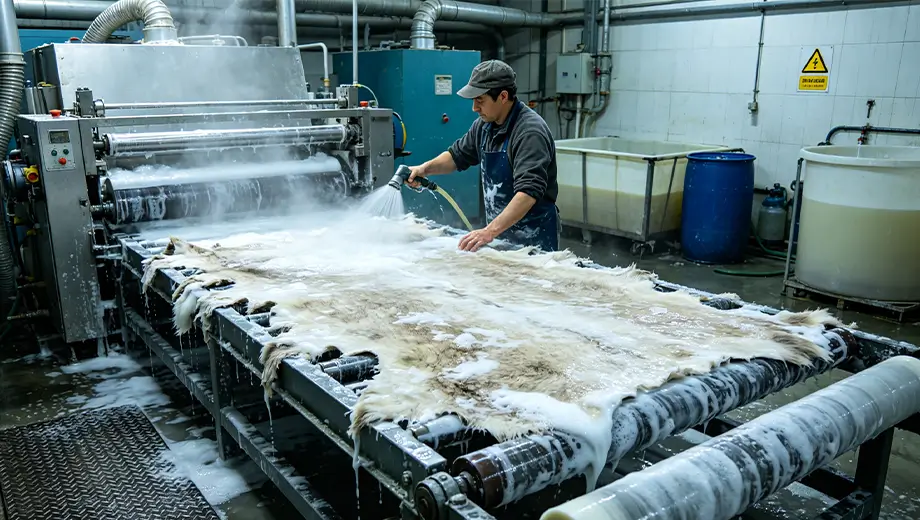
- Leather tawing — as discussed in our leather article
- Specialty functional products — where astringency matters
Importantly, technical-grade alum is not automatically food-, cosmetic-, or pharmaceutical-grade. Confirm purity and certifications before any regulated use.
Why Alum Is Attractive
- Stable, specifiable composition
- Easy to dissolve and dose
- Mild reaction conditions
- Broad compatibility with aqueous systems
- Established global supply chain
Key Selection Factors
| Factor | What to check |
|---|---|
| Purity | Trace metals, insolubles, moisture |
| Composition | Aluminum, sulfate, potassium balance |
| Process compatibility | pH, temperature, yield, byproducts |
| Regulatory | Food / cosmetic / pharma grades if needed |
| QC | COA, SDS, consistent batch analysis |
FAQ
Is alum cheaper than aluminum hydroxide? Sometimes, but total cost depends on yield, byproduct handling, and transport. Compare full process economics.
Can alum be used in food-grade formulations? Only food-grade alum with the required certifications. Industrial grade is not interchangeable.
Conclusion
Alum is more than a coagulant — it is a stable, available aluminum feedstock for the right chemical routes. Evaluate it against alternative aluminum sources on purity, byproduct management, and total cost rather than list price.
References: