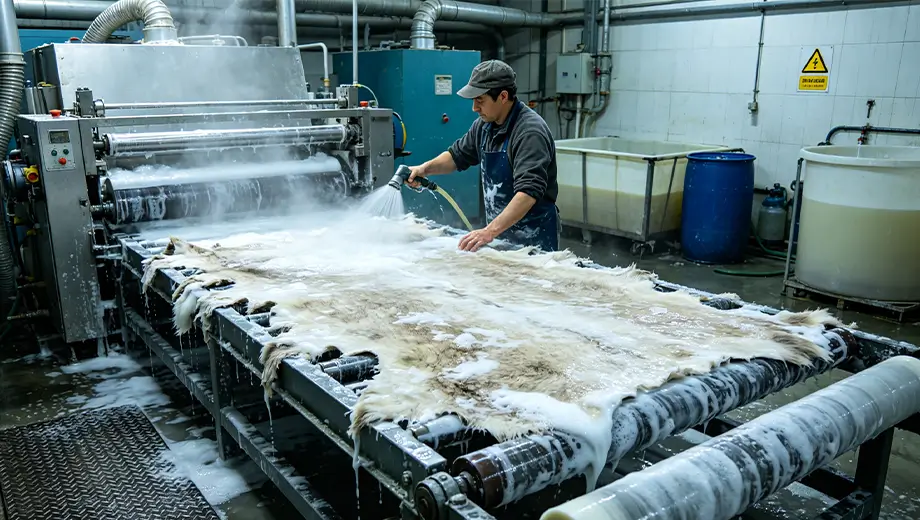
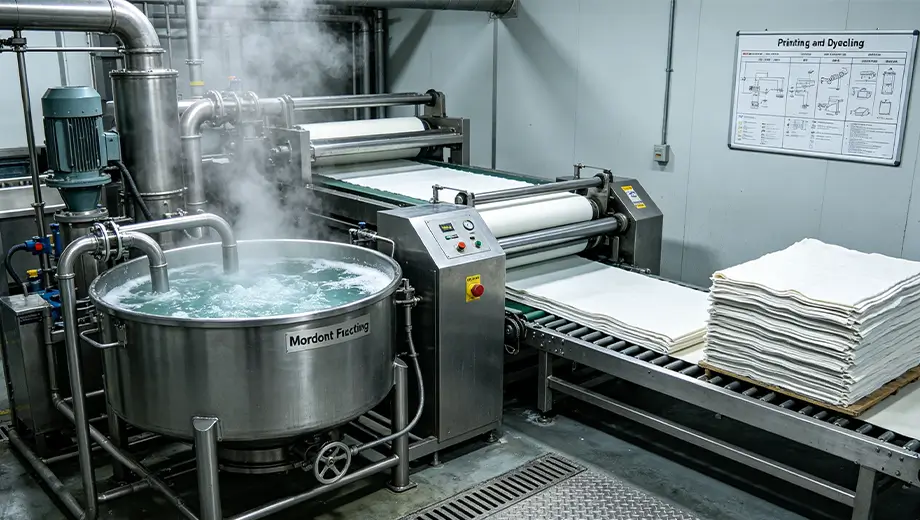
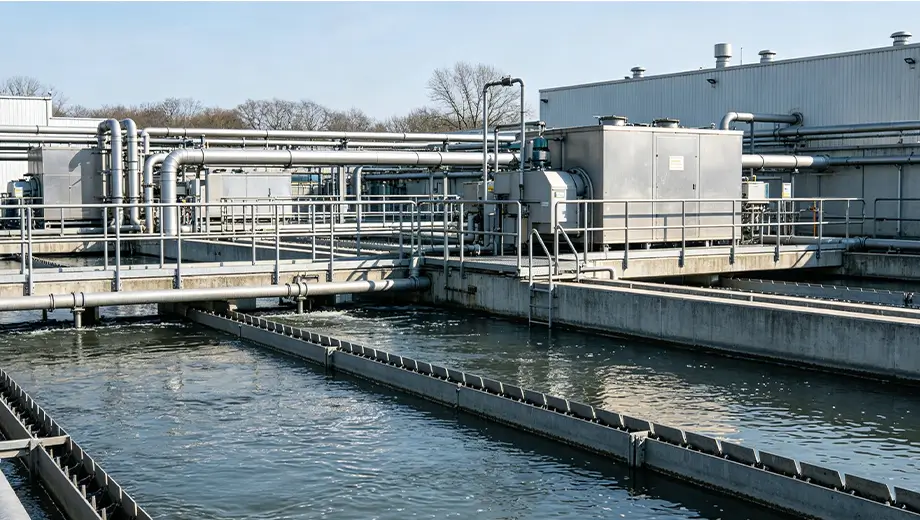
Textile dyeing wastewater is notoriously difficult to treat. It carries dyes, fibers, sizing agents, surfactants, auxiliaries, suspended solids, and colloids — usually with high color and fluctuating load. Effective pretreatment, therefore, is essential before any biological or advanced stage.
Among traditional coagulants, alum remains a practical, low-cost choice for that pretreatment step.
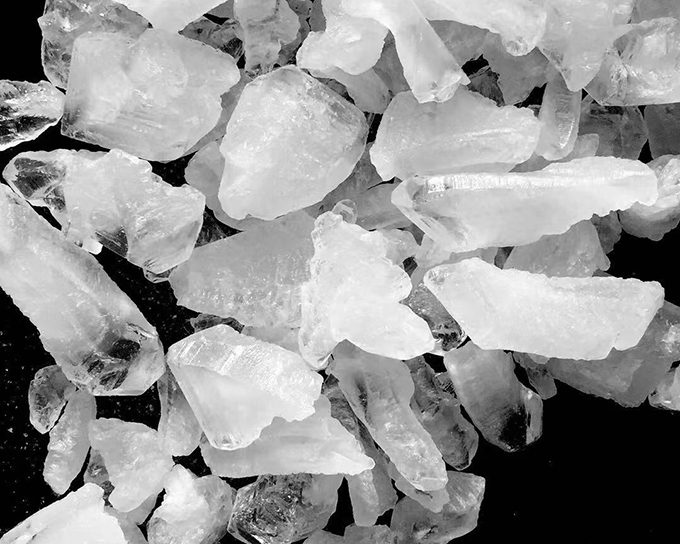
What Is Alum?
In water treatment, alum usually means potassium aluminum sulfate dodecahydrate, KAl(SO₄)₂·12H₂O. When it dissolves, aluminum hydrolyzes and forms aluminum hydroxide flocs. These flocs adsorb particles, neutralize negative surface charges, and sweep impurities out of suspension.

Why Textile Wastewater Is Hard
Typical pollutants include:
- Reactive, direct, and disperse dyes
- Fibers, lint, and sizing materials
- Surfactants and finishing agents
- Colloidal organic matter and high COD
Most of these particles are tiny and charge-stabilized; simple settling rarely works. Coagulation, in turn, destabilizes them.
How Alum Works
- Charge neutralization — hydrolyzed aluminum neutralizes negative particle surfaces.
- Adsorption and entrapment — aluminum hydroxide flocs capture dyes and colloids.
- Floc growth and settling — larger aggregates settle in a clarifier.
As a result, suspended solids drop, color partially drops, and the load on downstream biology falls.
Typical Pretreatment Flow
Screening → Equalization → Alum coagulation → Flocculation → Sedimentation → Biological treatment
Equalization is critical because dyeing wastewater swings with production batches. After screening, alum is rapidly mixed, then PAM is added for gentle floc growth. Finally, flocs settle, and the clarified water moves to biology.
What Alum Can — and Cannot — Remove
Alum reduces suspended solids, colloids, fibers, and part of the color and particulate COD. Nevertheless, dissolved salts, refractory organics, and certain soluble dyes need activated carbon, oxidation, or membranes. In other words, alum is a pretreatment workhorse, not a standalone solution.
Alum + PAM
Alum alone often works, but alum + PAM is the more common industrial combination:
Alum destabilizes → PAM bridges → larger flocs → faster settling
The optimum ratio is wastewater-specific, so jar testing is essential.
Dosage Optimization
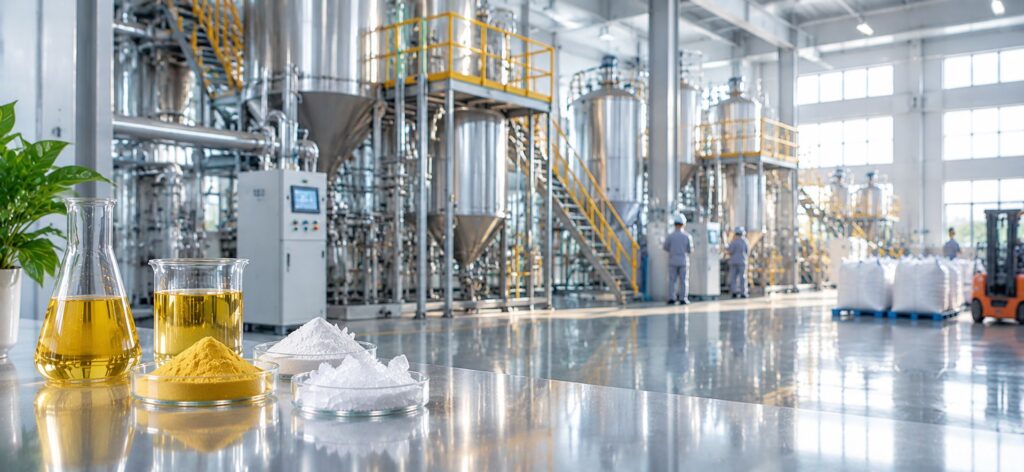
Overdosing wastes money and generates sludge; underdosing leaves colloids behind. A jar test should compare alum dose, pH, mixing time, and optional PAM dose, measuring final color, turbidity, and COD.
FAQ
Does alum remove all dye color? No. It removes particulate and some colloidal color. Soluble reactive dyes often need oxidation or activated carbon.
Can alum replace biological treatment? No. Alum removes the particulate load; dissolved biodegradable COD still needs biology.
Why add PAM after alum? Alum makes microflocs; PAM grows them into large, settleable flocs that clarify faster.
Conclusion
Alum remains a cost-effective pretreatment for textile dyeing wastewater. It conditions the water, reduces suspended load and color, and protects downstream biology. Combined with PAM and tuned by jar testing, it is one of the most reliable coagulation steps a textile mill can install.
References: