In papermaking, the word “alum” needs an immediate clarification. In industrial paper mills, it almost always means aluminum sulfate (Al₂(SO₄)₃), not potassium alum. Potassium alum appears mainly in traditional handmade paper and specialty work. The two should not be treated as interchangeable.
1. Alum in Rosin Sizing
Cellulose fibers are naturally water-loving. Without sizing, ink spreads and liquids penetrate the sheet too fast. In traditional acidic papermaking, aluminum sulfate hydrolyzes and releases positively charged aluminum species that fix negatively charged rosin onto fibers.
The result is improved water resistance, better ink holdout, and a more stable sheet. Nevertheless, performance depends on rosin type, pH, alkalinity, and fiber furnish.

2. Retention of Fines and Fillers
Modern furnish contains fine fibers, calcium carbonate, kaolin, and colloidal matter — most of which carry negative charges. Aluminum species neutralize those charges, so fines and fillers aggregate and stay on the web instead of washing out with white water.
Modern mills, however, rarely rely on alum alone. They combine it with cationic polymers, retention aids, and microparticle systems.
3. Drainage and White-Water Control
Better retention also means better drainage. Consequently, the paper machine runs faster, and white water carries less solids back to the system. Nevertheless, over-flocculation harms sheet formation; the goal is a balance between retention and formation.
4. pH Control
Aluminum sulfate consumes alkalinity and lowers pH. Historically that made it perfect for acidic rosin sizing. Today, however, most mills run neutral or alkaline with calcium carbonate fillers — so alum dosing must be re-evaluated for the full wet-end chemistry.
5. White-Water Clarification
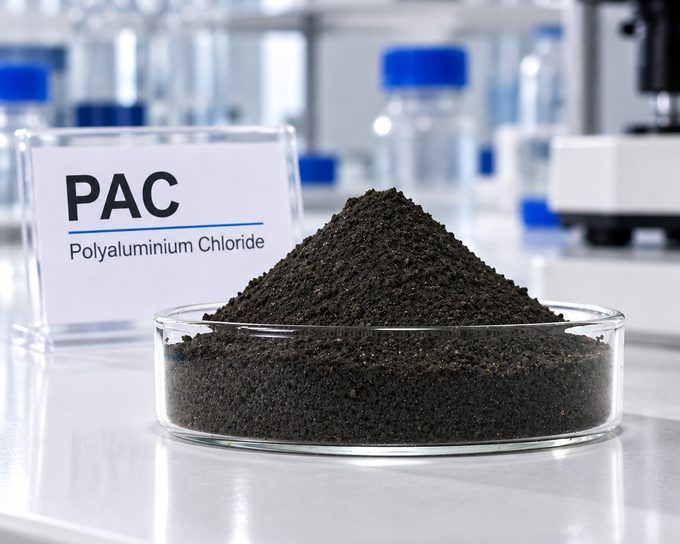
Alum sulfate is also used as a coagulant for white-water treatment. Hydrolyzed aluminum destabilizes fibers and fillers; DAF or clarifiers then recover them. As a result, mills reuse more water, discharge less, and recover valuable fillers.
6. Potassium Alum in Traditional Paper
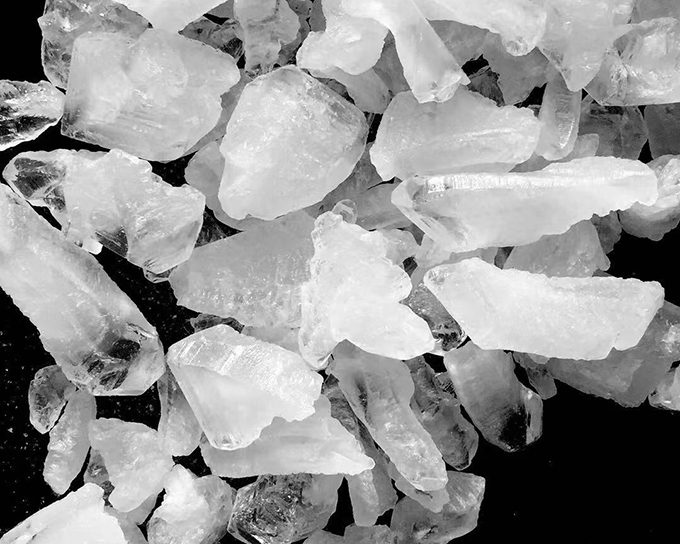
Potassium alum (KAl(SO₄)₂·12H₂O) belongs in a different market: handmade paper, Xuan paper, and specialty craft work. It is not the standard chemical for high-speed paper machines. Clear product naming therefore prevents procurement mistakes.
FAQ
Is “alum” for paper the same as potassium alum? In industrial papermaking, no. It means aluminum sulfate. Potassium alum is for traditional and specialty paper.
Does alum improve paper strength? Indirectly. It improves sizing and retention, which affect surface properties, but strength comes mainly from fiber bonding.
Conclusion
Aluminum sulfate remains a versatile wet-end chemical for sizing, retention, and white-water clarification. Potassium alum, by contrast, occupies a niche in traditional and specialty paper. Specify the right aluminum salt for the process — the two are not interchangeable.
References: