In Traditional Chinese Medicine, certain raw herbs require processing before they are used in formulas. Pinellia tuber (Ban Xia) and Arisaema rhizome (Tian Nan Xing) — both in the Araceae family — are classic examples. Their unprocessed forms are irritant, and alum-containing soaking baths are one traditional processing method.
This article explains what that process does and what B2B buyers should look for.
Why These Herbs Need Processing
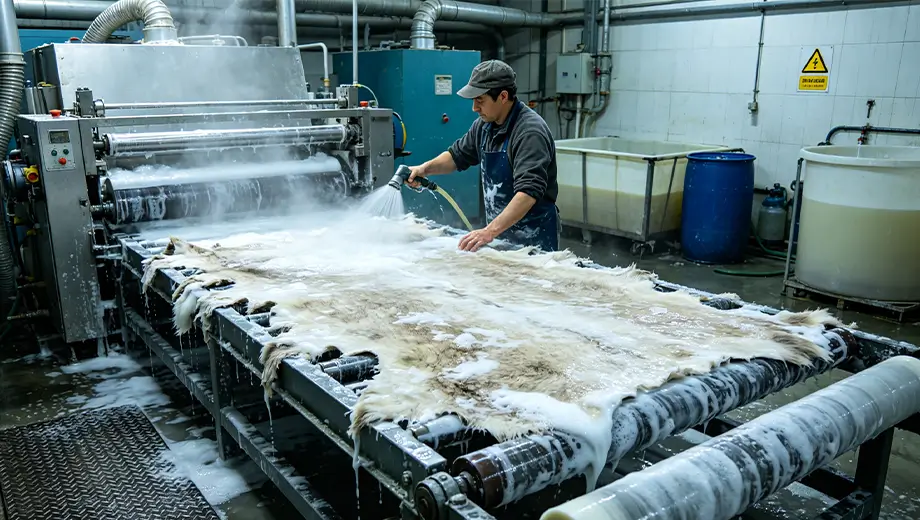
Unprocessed Pinellia and Arisaema contain calcium oxalate crystals and other constituents that cause strong oral and mucosal irritation. Traditional processing combines soaking, washing, heating, and sometimes mineral auxiliaries to modify the raw material before it enters a formula.
Alum is one of those auxiliaries. Importantly, it is part of a multi-step system, not a single-step magic fix.
How Alum Contributes
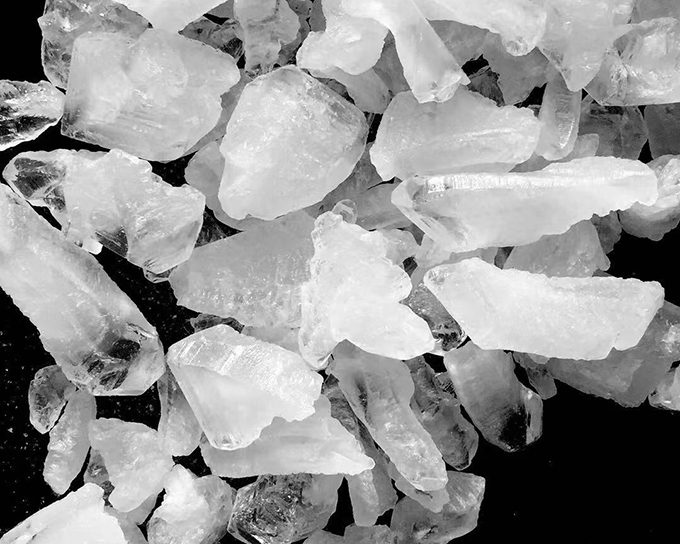
When alum dissolves, it creates an acidic, ionic soaking medium. While the herb soaks:
- Soluble constituents migrate between tissue and solution
- Surface texture and moisture change
- Processing conditions modify irritant compounds
- Subsequent washing and drying lock in the result
The mechanism is a combination of ionic chemistry, mass transfer, and physical change — not one simple reaction.
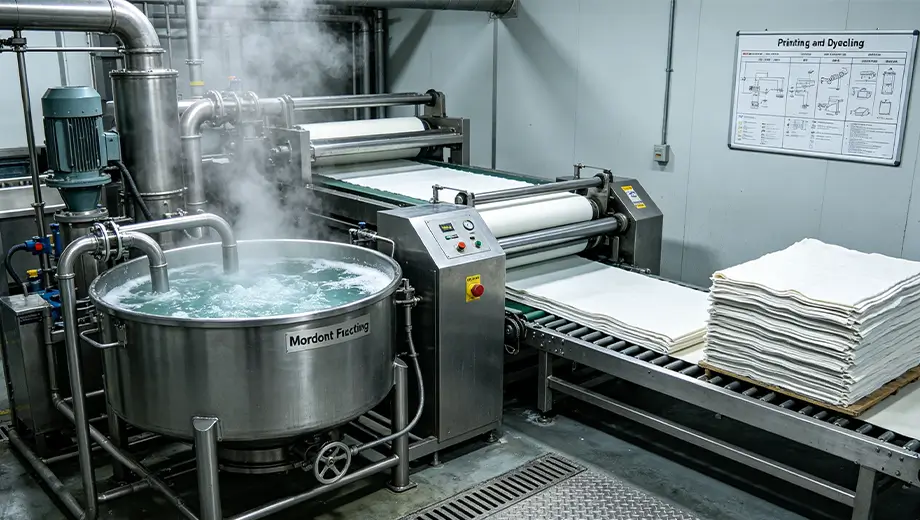
Process Parameters That Matter
For consistent results, control:
- Alum concentration
- Soaking time and temperature
- Water-to-material ratio
- Number of cycles
- Washing steps
- Drying conditions
- Final particle-size specification
Standardizing these parameters is what turns a small-batch traditional process into a repeatable industrial one.
Alum Is a Processing Auxiliary, Not a Finished-Product Active
This distinction matters in B2B communication. Alum is not “treating” Pinellia. It is part of the preparation of the raw herbal material. Consequently, suppliers should be described as providing a processing-grade mineral auxiliary, not as a pharmaceutical ingredient.
Quality Sourcing
Buyers should require:
- Chemical identity and purity
- Heavy-metal and impurity profiles
- Moisture and insoluble matter
- COA and batch consistency
- Documentation suitable for the target market’s herbal regulation
FAQ
Is alum a medicine?
In this context it is a processing auxiliary — a material used to prepare an herb before formulation.
Does alum remove oxalate crystals?
Processing reduces irritant potential through a combination of soaking and washing. The exact mechanism should not be oversimplified.
What grade of alum do I need?
A processing-grade or pharmaceutical-grade alum with documented purity and heavy-metal limits, per your market’s TCM regulation.

Disclaimer
Traditional processing and raw-material information only. Not medical advice.
Conclusion
Alum’s role in Pinellia and Arisaema processing is a clear example of how a simple mineral salt supports traditional herbal manufacturing. For buyers, the opportunity is consistent, documented alum — matched to a controlled process.
Professional Water Treatment Chemical Supplier & One-Stop Industrial Solution Provider