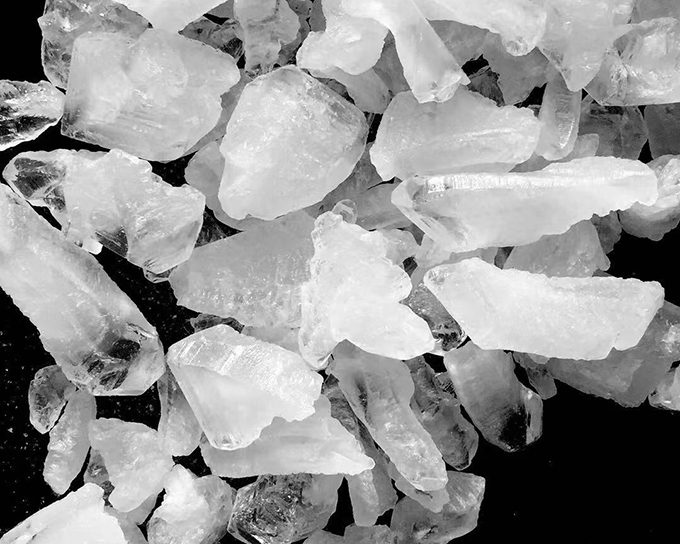
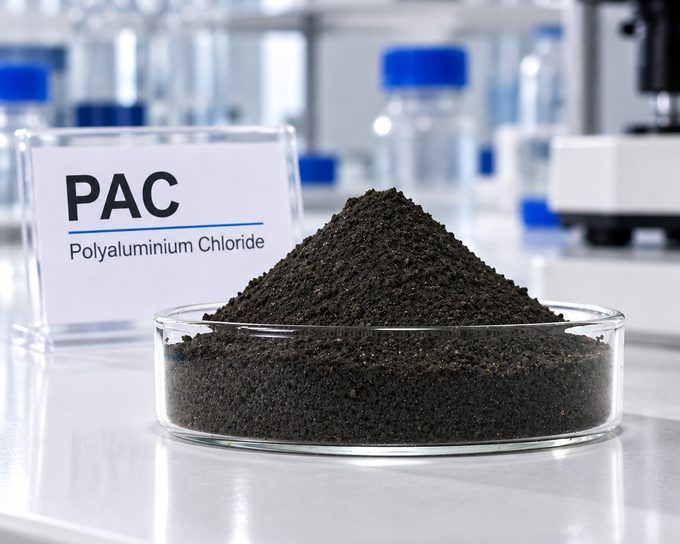
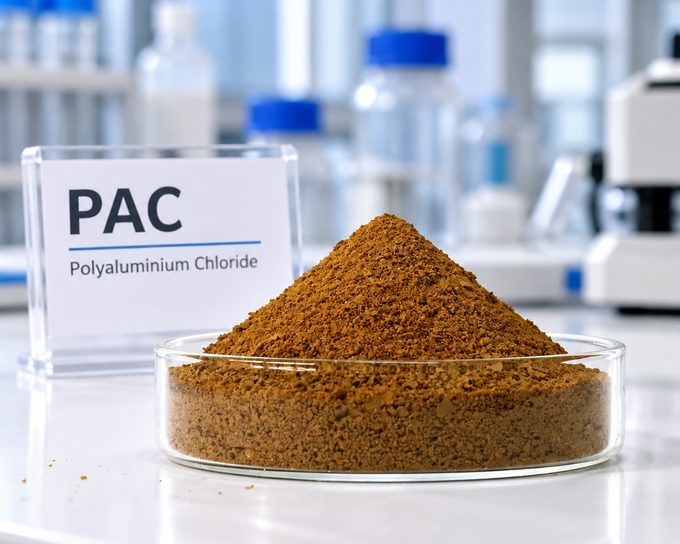
Potassium alum has been used in water treatment and industry for decades. Its use in agriculture is less established and should be approached cautiously. In short: alum is not a fertilizer, pesticide, or soil amendment, and it should never be marketed as one without testing and regulatory approval.
Nevertheless, its chemistry makes it worth investigating in specific, controlled contexts.
1. Seed Treatment
Alum solutions have been studied for seed-surface sanitation and germination support. Nevertheless, alum is not a registered fungicide or pesticide. Any use on seed requires:
- Crop-specific trials
- Known concentration and exposure time
- Local regulatory review
Small-scale testing should measure germination rate, seedling emergence, and crop tolerance before any commercial scale-up.
2. Root-Zone Management
Alum is an acidic sulfate salt. Consequently, it interacts with soil chemistry — especially in alkaline soils. However, the same property that acidifies soil also increases soluble aluminum, which can damage roots. Therefore, direct root-zone application requires soil testing and small controlled trials first.
3. Alum as a Potassium Source?
Alum contains potassium, but it is not a conventional potassium fertilizer. Its potassium is accompanied by aluminum and sulfate, and the application rates needed for nutrition would likely damage soil chemistry. Commercial potassium management should remain soil-test-based.
4. Alkaline Soil Management
Alum can contribute to acidification, which may sound attractive in alkaline soils. Nevertheless, established agricultural guidance is clear: test soil pH and buffering first, choose a registered amendment, and monitor the crop. Applying alum just because a soil is alkaline is reckless.
The Right Process
Soil test → Identify the problem → Choose a registered amendment → Run a small trial → Monitor soil and crop
No universal alum application rate exists. Soil texture, organic matter, existing potassium, irrigation quality, crop species, and climate all change the outcome.
FAQ
Can I use alum as a fertilizer?
No. It contains potassium, but also aluminum and sulfate, and is not formulated or registered as a fertilizer.
Is alum safe for plants?
Incorrectly applied alum can raise soluble aluminum and burn roots. Test small first.
What should I do instead?
Use soil testing and registered agricultural amendments. Alum is a research and specialty material, not a general-purpose farm input.
Conclusion
Potassium alum has interesting chemistry for agriculture, but its commercial use is narrow and testing-led. Responsible application means small trials, soil analysis, and regulatory compliance — never broad promotional claims.
KolinSC supplies industrial-grade potassium alum. Agricultural suitability must be evaluated on a case-by-case basis.
Professional Water Treatment Chemical Supplier & One-Stop Industrial Solution Provider