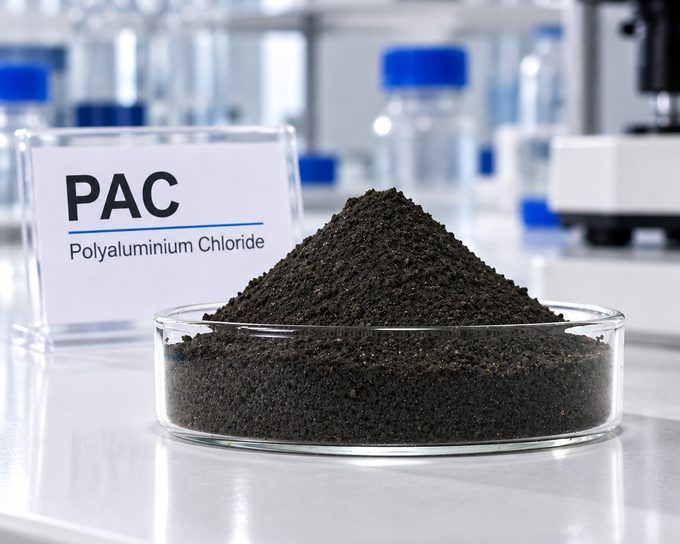
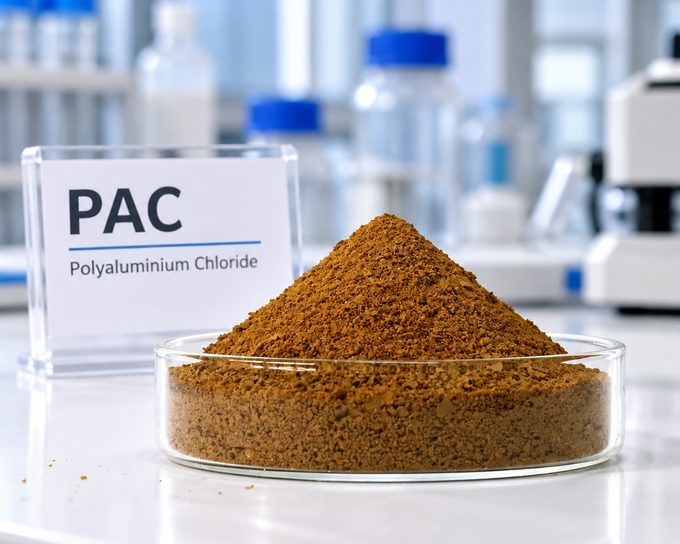
Poly Aluminium Chloride (PAC) is a pre-hydrolyzed inorganic polymeric coagulant used in municipal water, industrial wastewater, process water, and high-turbidity clarification. Compared with traditional alum or aluminum sulfate, PAC already contains polymerized aluminum species — so it works faster, across a wider pH range, and with less alkalinity consumption.

What Is PAC?
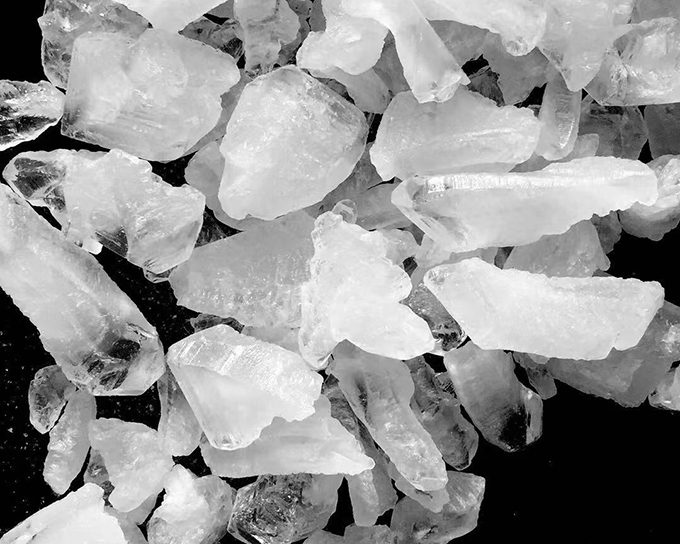
PAC is an aluminium-based inorganic polymer. Commercial grades are commonly sold by Al₂O₃ content:
- ~22% Al₂O₃
- ~26%
- ~28%
- ~30%
Nevertheless, higher Al₂O₃ is not automatically better. Basicity, insoluble matter, raw-water chemistry, and dose all matter.
How PAC Works
When PAC is dosed, its aluminum species destabilize particles through three mechanisms:
- Charge neutralization on negative colloids
- Hydrolysis and precipitation of aluminum hydroxide (sweep flocculation)
- Adsorption and bridging by polymeric aluminum species
The result is larger, denser flocs that settle or float quickly.
Why PAC Is Widely Used
- Fast destabilization in compact plants
- Effective across a broad pH window
- Strong turbidity and color removal
- Dense flocs that settle well
- Available as solid or liquid for continuous dosing
PAC Applications
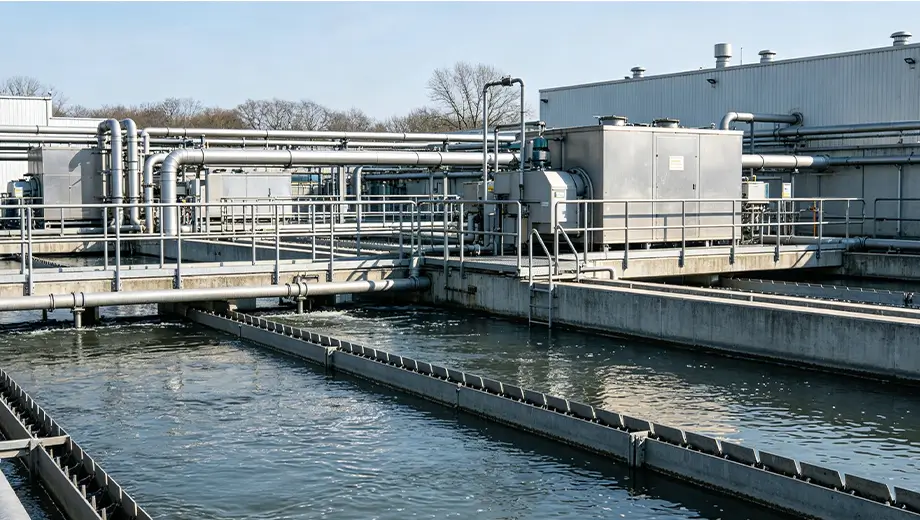
- Municipal drinking water — turbidity, algae, NOM reduction
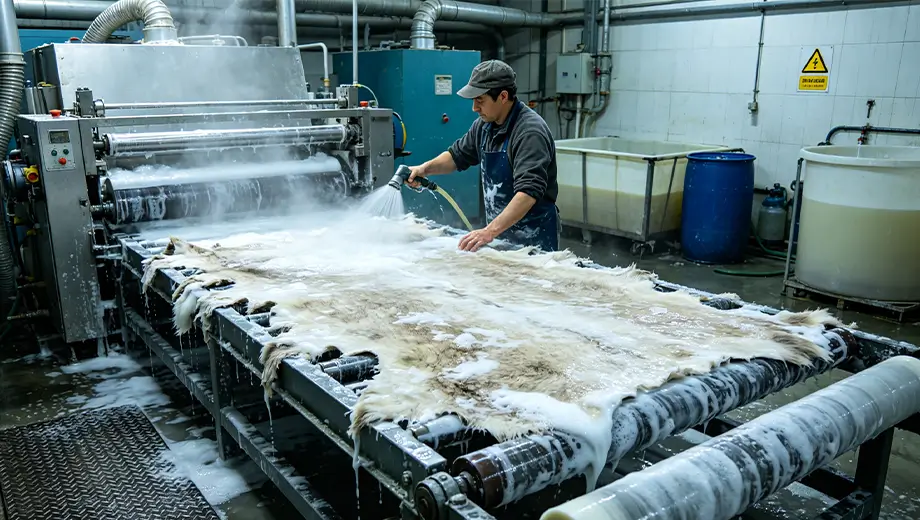
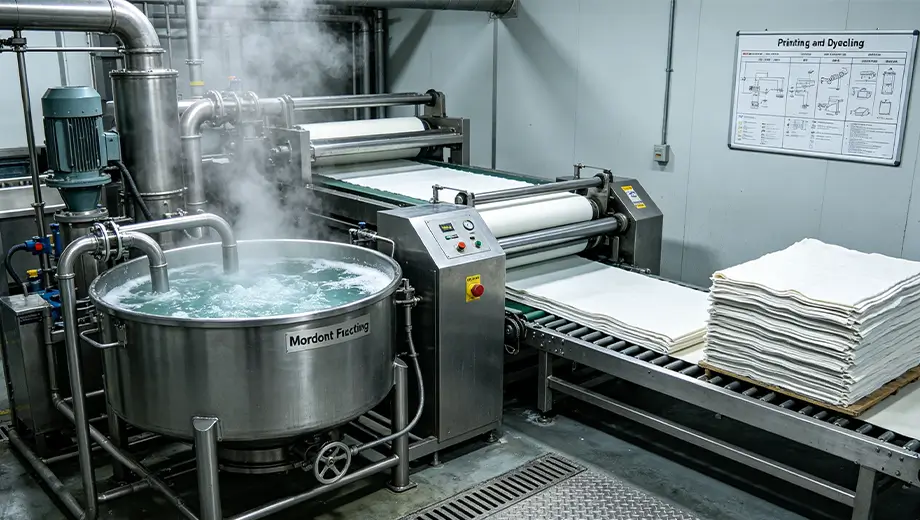
- Industrial wastewater — textile, paper, mining, food, chemical
- High-turbidity water — storm-driven clay and silt
- Process water — recycling and reuse systems
Nevertheless, PAC is not a universal chemical. It removes particles, colloids, and particulate-bound contaminants; dissolved salts, low-molecular-weight organics, and soluble metals need additional treatment.
Choosing a PAC Grade
| Al₂O₃ grade | Typical fit |
|---|---|
| ~22% | High-turbidity, mineral-rich wastewater, cost-sensitive streams |
| ~26–28% | General municipal and industrial clarification |
| ~30% | Higher-spec applications, tighter impurity requirements |
Select on raw-water analysis, jar-test results, and total cost — not on Al₂O₃ alone.
PAC + PAM
PAC destabilizes; PAM bridges. The pair is the default coagulation–flocculation sequence:
PAC → rapid mix → PAM → flocculation → sedimentation / DAF
Optimize the ratio by jar test. Over-dosing either chemical raises sludge and cost.
Factors That Affect PAC Performance
Raw-water turbidity, pH, alkalinity, temperature, organic load, mixing intensity, and dose all interact. Cold water slows floc formation; low alkalinity may need pH correction. Therefore, always tune PAC on site, season by season.
Quality and Sourcing
Look for consistent Al₂O₃, controlled insoluble matter, good solubility, and stable batch analysis. Store solid PAC dry to prevent caking.
FAQ
Is PAC better than alum? Not universally. PAC is faster and more pH-flexible; alum is cheaper and familiar. Choose by jar test on your water.
What does Al₂O₃ content mean? It measures active aluminum content. It is one selection parameter, not a quality ranking.
Can PAC remove dissolved organic matter? Only the fraction bound to particles. Dissolved NOM needs activated carbon or membranes.
Conclusion
PAC is the workhorse coagulant of modern water treatment — fast, flexible, and reliable. Pick the grade by jar test, pair it with the right PAM, and it will clarify everything from municipal raw water to high-turbidity industrial streams.
KolinSC supplies PAC in 22/26/28/30% Al₂O₃ grades. Request a quote with your water analysis →
References: