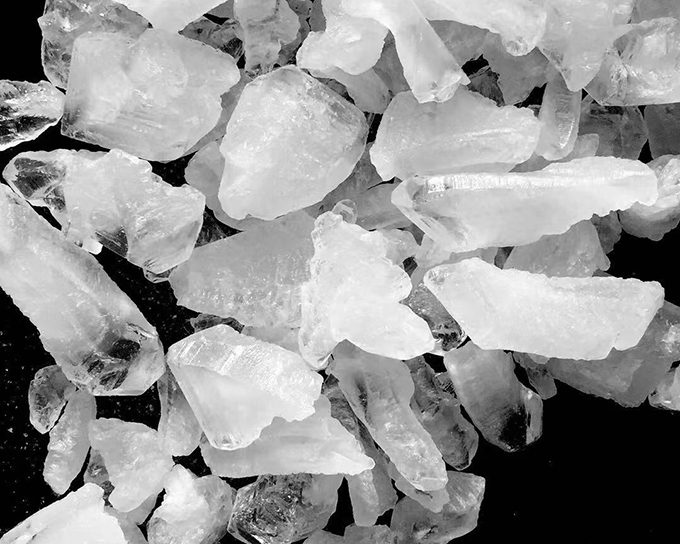
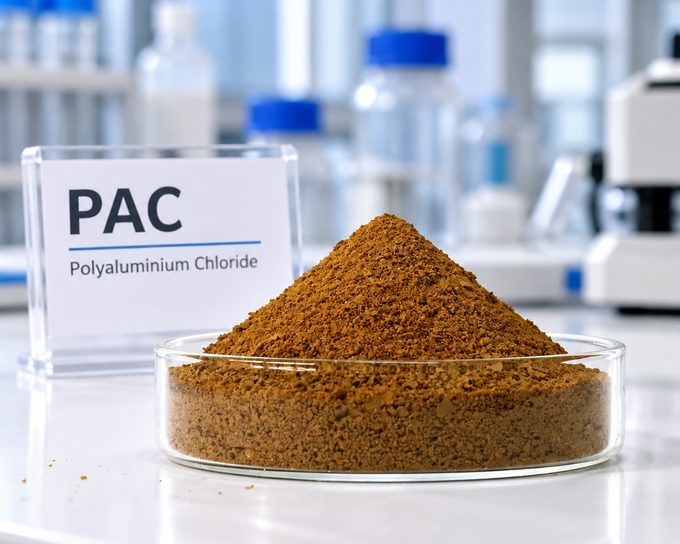
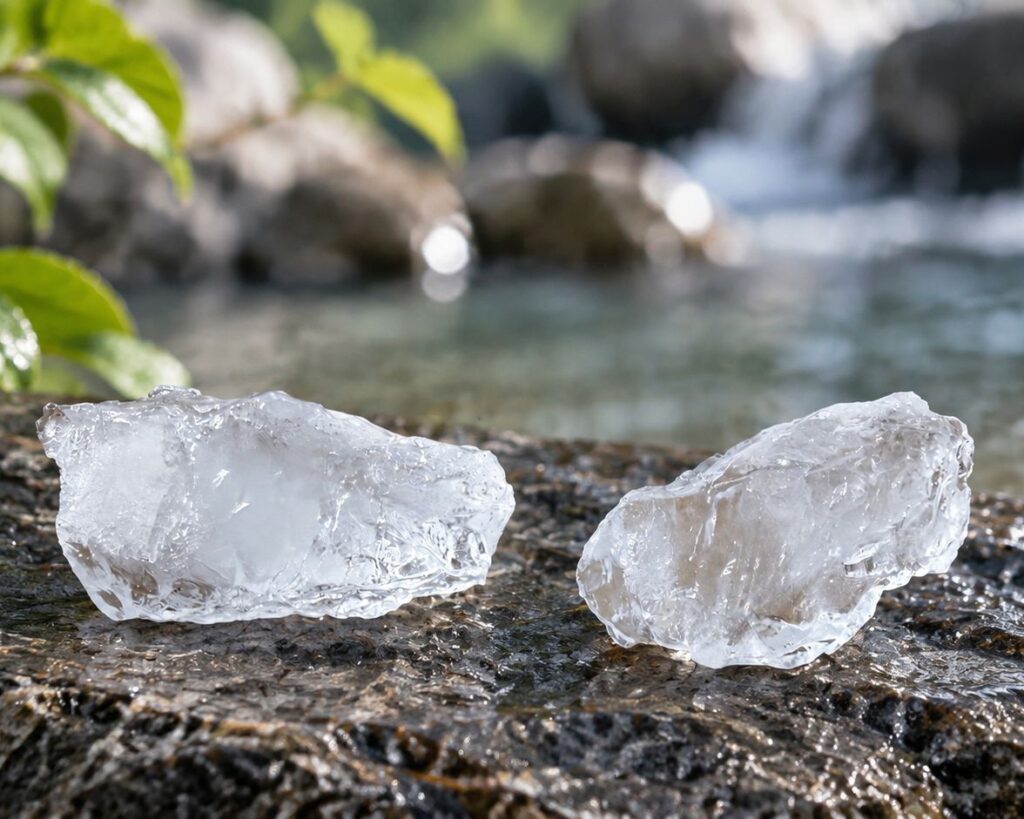
Potassium alum — Bai Fan (白矾), or white alum — is a mineral ingredient with a long recorded history in Chinese herbal practice. Chemically, it is potassium aluminum sulfate dodecahydrate, KAl(SO₄)₂·12H₂O, valued traditionally for its astringent, drying, and acidic character.
Nevertheless, modern readers need to separate historical use from modern clinical evidence. This article walks through the historical role of alum and explains how B2B buyers should read it.
A Defined Mineral, Not a Mystery Herb
Unlike botanical medicines, alum has a well-defined chemical composition. Its solubility, crystal structure, and astringent behavior are predictable. Consequently, TCM descriptions of alum are best read as functional observations about a mineral ingredient — not as pharmacological mechanisms in the modern sense.
External Use: The Most Recognized Tradition
External application is the most consistent historical thread. Alum appears in traditional powders, washes, and solutions used in situations described traditionally as “excess moisture” or surface discharge.
Modern formulators can translate this neutrally: alum contributes astringent and drying functionality. Importantly, however, it should not be marketed as a treatment for eczema, fungal infection, ear infection, or any other medical condition without clinical and regulatory support.
Historical Internal Use: Handle With Care
Classical texts also record alum in selected internal formulations. Nevertheless, the mere presence of a substance in old books does not justify modern oral use. Dosage, processing, purity, impurities, and local regulations all matter. Therefore, treat these references as historical information, not as self-use guidance.
Concepts of Astringency and Drying
In TCM theory, “astringency” means containing or reducing abnormal fluid loss; “drying” means managing excess moisture. These are traditional conceptual terms, not modern laboratory mechanisms. Chemically, alum dissociates into aluminum and sulfate ions; its astringent effect on skin surfaces is well known, but clinical claims require evidence.
Processing Matters
TCM tradition recognizes that the same mineral behaves differently after different processing. Heating, washing, and grinding all change its physical form. For example, calcined alum (Ku Fan) is the heated, dehydrated form used in many external powders. The raw material alone does not define performance — processing does.
Why This History Matters to Modern Buyers
For international formulators, this history is useful for two reasons. First, it explains why alum appears in traditional and natural-product markets. Second, it shows that the material has consistent, well-understood chemistry that modern quality systems can control.
FAQ
Is potassium alum an herb?
No. It is an inorganic mineral salt with a defined chemical formula.
Is Bai Fan the same as potassium alum?
In TCM terminology, Bai Fan (white alum) is traditionally potassium alum.
Can I use this history to make health claims?
No. Historical use does not equal clinical evidence. Any finished-product claim needs its own regulatory support.
Disclaimer
Historical and technical raw-material information only. Not medical advice.
Conclusion
Potassium alum occupies a distinctive place in the history of Chinese mineral medicine. Its astringent and drying properties explain its long use; modern suppliers, however, should present it as a specifiable mineral ingredient — supported by COAs and application testing — rather than as a cure.
Professional Water Treatment Chemical Supplier & One-Stop Industrial Solution Provider