Calcined alum — known in Traditional Chinese Medicine as Ku Fan (枯矾) — is alum that has been thermally processed to drive off its crystallization water. The result is a white, lightweight, porous powder with a long history of use in traditional topical and powder formulations.
From a modern raw-material perspective, calcined alum is best understood as a processed mineral ingredient, not as a medicine. Its value comes from the physical changes heating produces.
What Is Calcined Alum?
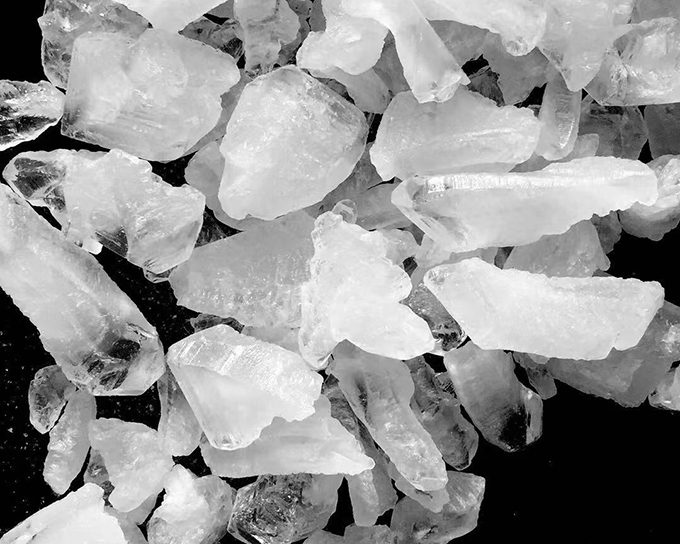
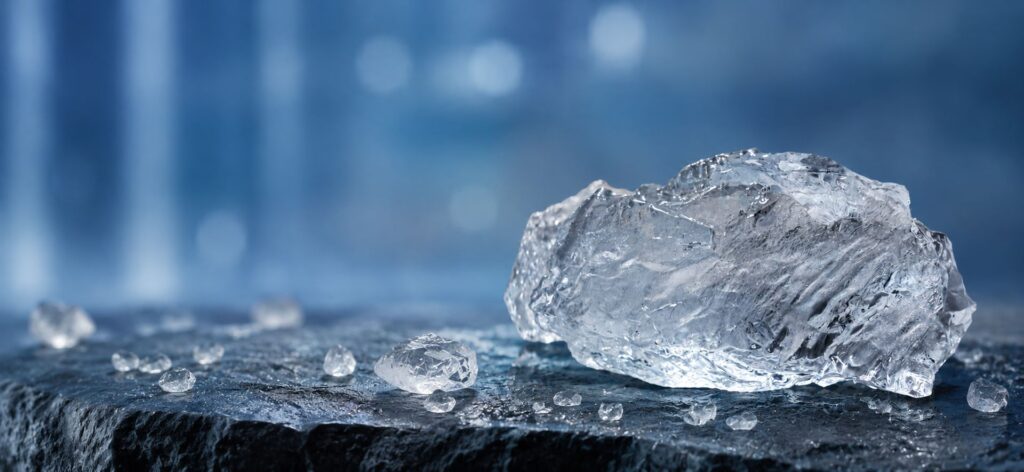
Ordinary potassium alum is a transparent, water-rich crystalline salt, KAl(SO₄)₂·12H₂O. When heated under controlled conditions, it releases its water of crystallization and collapses into a dry, loosely structured white powder.
The final properties depend on several processing variables:
- Starting alum quality
- Calcination temperature and time
- Heating uniformity
- Degree of dehydration
- Cooling, grinding, and particle-size control
Consistent control of these variables is essential if the product is to behave the same way batch after batch.
Astringent and Drying Characteristics
The best-known traditional trait of calcined alum is its astringent effect. In topical formulations, that translates to a temporary tightening and drying sensation on the skin surface. Consequently, calcined alum appears in traditional powders, washes, and mineral-based skin-care blends.
Nevertheless, finished-product performance depends on concentration, particle size, pH, and the rest of the formulation. Calcined alum is a functional ingredient — not a universal treatment.
Topical Formulation Applications
Historically, calcined alum has been used externally in formulations built around:
- Astringent surface-care products
- Drying-oriented topical powders
- Moisture-management blends
- Specialty mineral skin-care products
Importantly, these are traditional formulation uses. They should not be rewritten as modern medical claims about wounds, bleeding, or tissue repair.
Why Manufacturing Control Matters
Calcined alum’s performance is dictated by its physical form. Residual moisture, particle size, and porosity all affect how the powder flows, blends, and performs in a finished product. For B2B buyers, the key quality parameters are:
- Chemical purity and heavy-metal specs
- Residual moisture
- Insoluble matter
- Particle-size distribution
- Appearance and batch consistency
- Certificate of Analysis (COA)
FAQ
What is the difference between alum and calcined alum?
Ordinary alum is a hydrated crystal; calcined alum is the dehydrated, porous powder made by heating it.
Is calcined alum safe for skin?
It has a long history of topical use. Nevertheless, formulators should run their own compatibility and stability tests and comply with local cosmetics regulations.
Does calcined alum treat skin conditions?
This article describes traditional and formulation use, not medical treatment. Clinical claims require regulated evidence.
Disclaimer
Raw-material technical information only. It describes traditional historical uses and does not constitute medical advice or regulatory guidance. Formulators must run their own safety and compatibility testing.
Conclusion
Calcined alum is a processed mineral with a well-defined traditional role in astringent topical powders. Its commercial value lies in consistent calcination, controlled particle size, and documented quality — not in exaggerated health claims.