Reducing residual aluminum in PAC treatment starts with identifying what remains in the water. If fine aluminum-containing flocs are escaping, separation performance needs attention. If the residual is mainly dissolved, pH, water chemistry and coagulant conditions may be more relevant. Simply reducing the PAC dose can miss either problem.
PAC is an aluminum-based coagulant that contributes aluminum to the treatment system. The objective is to achieve the required treatment result while controlling the residual, not to minimize the dose at the expense of clarification or other essential treatment functions.
Measure total and dissolved aluminum consistently
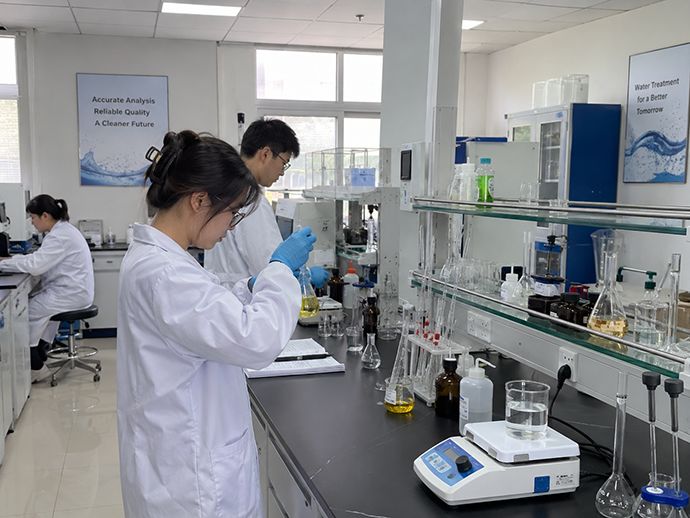
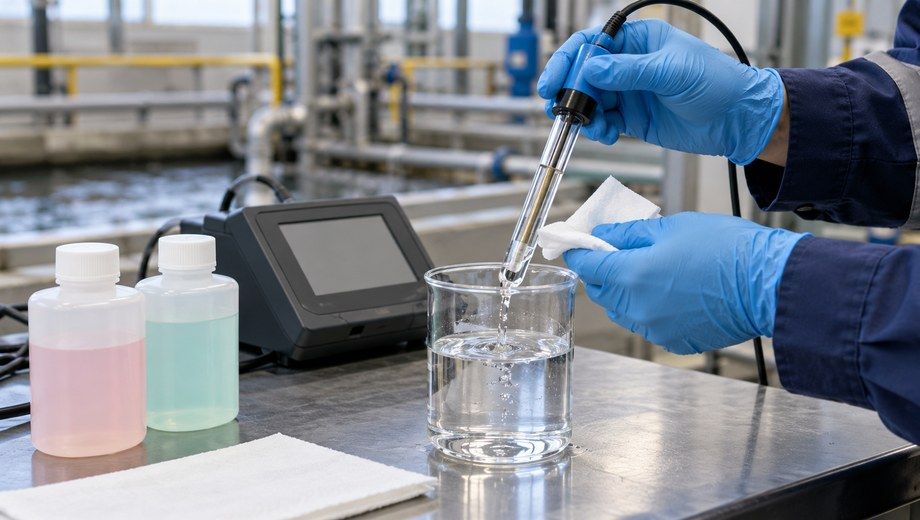
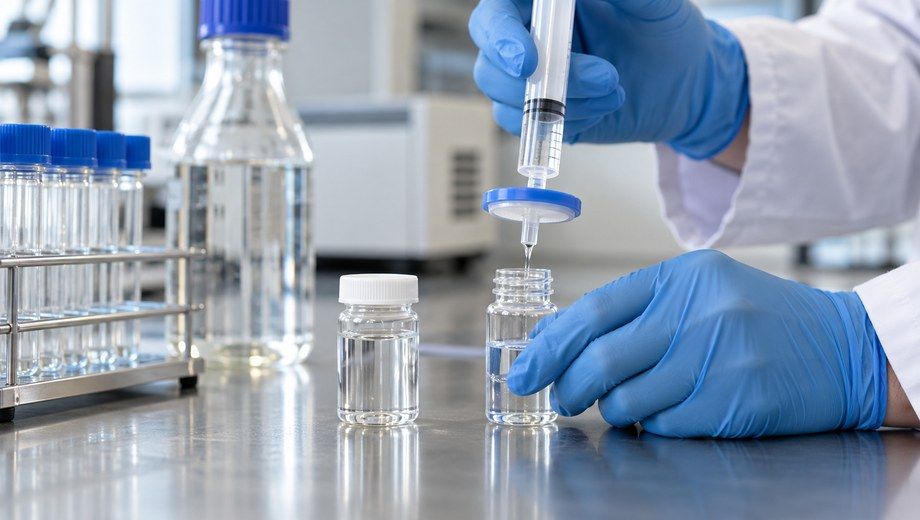
Total aluminum includes aluminum measured from dissolved material and particles under the laboratory method. Dissolved aluminum is an operationally defined fraction, usually based on a specified filtration and analytical procedure. Consequently, the sampling method matters as well as the result.
Discuss filtration, preservation and holding requirements with the laboratory before sampling. A sample prepared differently from the previous one may not provide a valid trend. Where useful, the difference between comparable total and dissolved results helps investigate particle-associated aluminum.
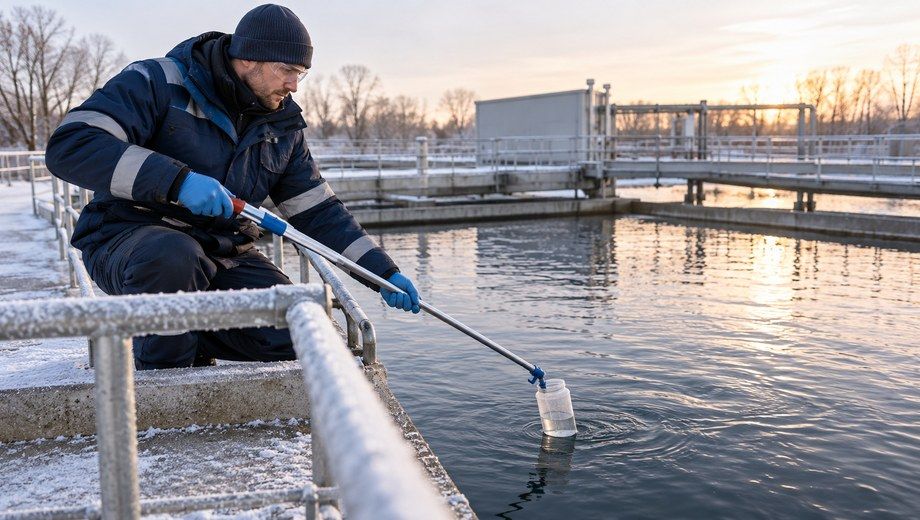
Also sample the untreated water. Source water can contribute aluminum before any PAC is added. Measuring only the final effluent cannot fully describe what the coagulant or separation stages have changed.
Follow the residual through the process
Compare suitable locations before coagulation, after clarification and after filtration where these stages exist. Record pH, temperature and turbidity alongside aluminum. This helps distinguish where the concentration changes.
If total aluminum rises across a separation stage while the dissolved fraction remains similar, investigate particle carryover and sampling consistency. In contrast, a persistent dissolved fraction suggests that improved settling alone may not address the whole problem.
The WHO aluminum fact sheet provides drinking water context for aluminum and treatment optimization. It should not be presented as a universal wastewater limit or a product approval.
Investigate pH and alkalinity together
Aluminum behavior changes with pH. Under acidic conditions, soluble species can remain important. Under suitable conditions, aluminum hydroxide precipitation supports solids formation, whereas excessively alkaline conditions can increase soluble aluminate species.
However, the useful operating window also depends on temperature, organic matter, other constituents and the PAC grade. Determine it through representative testing rather than applying a single range to every water.
Measure pH during and after dosing. Initial pH does not establish the coagulation pH, especially where alkalinity is limited. If chemical adjustment is needed, evaluate its addition point and effects on the complete treatment sequence.
Optimize the dose without sacrificing the endpoint
Both underdosing and unsuitable excess dosing can lead to poor results. A low dose may leave particles inadequately destabilized, while additional aluminum input may create other residual and cost concerns. Therefore, test a dose series with the relevant pH conditions.
Monitor the required particle or organic matter removal alongside residual aluminum. For drinking water, residual control must not compromise essential treatment barriers. For wastewater, include the applicable pollutant and discharge endpoints rather than turbidity alone.
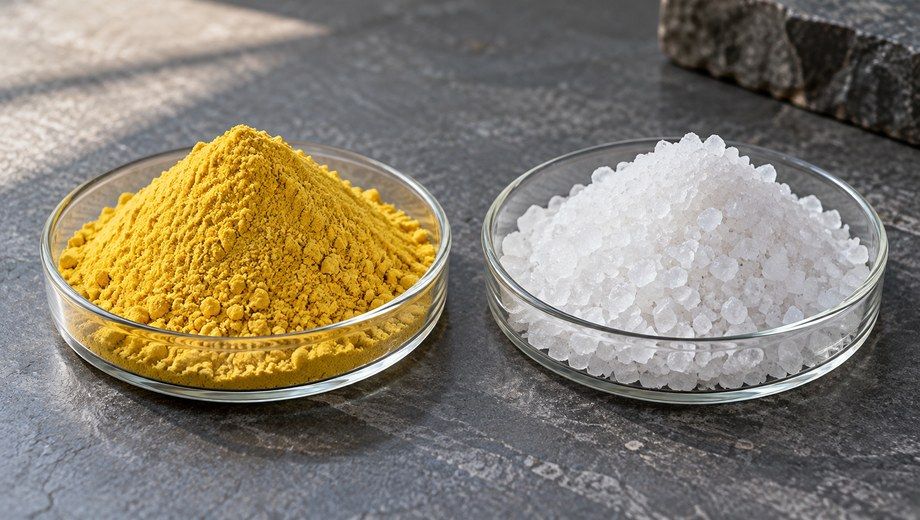
Compare PAC grades on a clear analytical basis. Higher basicity or higher Al₂O₃ equivalent content does not automatically guarantee a lower residual. Grade selection needs measured performance under the same water conditions.
Address particle carryover through mixing and separation
Rapid dispersion should bring the coagulant into effective contact with the water. During flocculation, suitable collisions support aggregation, but excessive shear can break the flocs. Addition points and mixing arrangements should therefore be reviewed together.
Check clarification loading, sludge removal and hydraulic behavior. In a filtration system, examine operation and maintenance before assuming the chemical is responsible. Conventional particle filtration is principally a control for particle-associated residuals; it is not a reliable standalone removal method for dissolved aluminum.
PAM may improve the aggregation and separation of suitable particles in some applications. Nevertheless, it should not be described as a chemical that universally captures dissolved aluminum. Any benefit must be demonstrated in the tested process.
| Residual pattern | First investigations |
| High total aluminum with particle carryover | Floc integrity, clarification and filtration |
| Significant dissolved fraction | Coagulation pH, chemistry, dose and grade |
| Seasonal change | Temperature, raw water and operating records |
| Sudden increase | Sampling, dosing calibration, source water and process changes |
Consider additional treatment only after defining the need
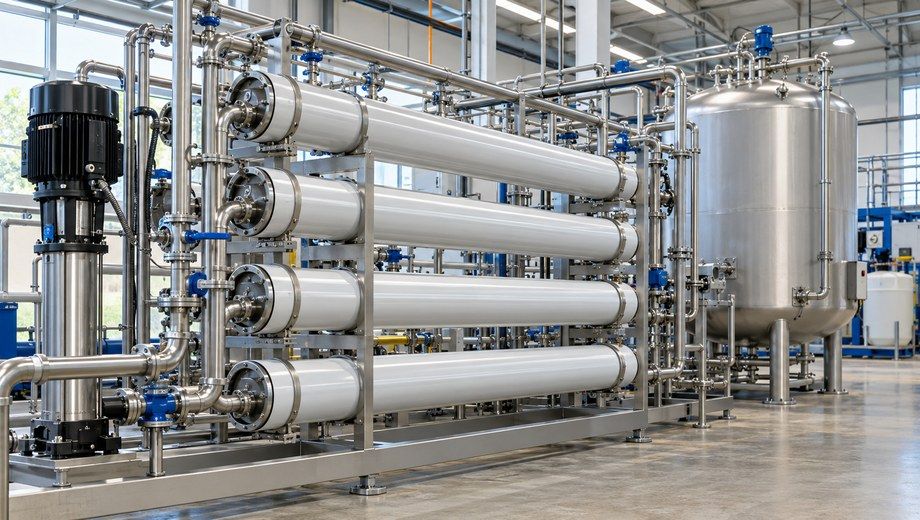
If dissolved aluminum remains problematic after the conventional process has been reviewed, assess additional treatment with suitable expertise. Adsorption, ion exchange or membrane approaches may be relevant in particular waters, but selectivity, competing constituents and waste management affect feasibility.
A technology name is not enough to establish a treatment solution. Pilot data and the required effluent quality should guide any further investment.
Set the correct acceptance criterion
Operational guidance values, health-based guideline values and enforceable limits serve different purposes. Confirm the applicable jurisdiction, application and sampling basis. Avoid using a value from drinking water guidance as a blanket industrial wastewater standard.
Keep records of the selected operating range and monitor it when water conditions change. KolinSC can discuss available PAC grades and documentation when you provide water data, the aluminum measurements and the treatment endpoint being assessed.
Professional Water Treatment Chemical Supplier & One-Stop Industrial Solution Provider