Food-processing wastewater comes from fruit and vegetable washing, meat plants, soy and starch mills, bakeries, and beverage lines. It is usually less chemically toxic than heavy-industry effluent, but it carries high loads of protein, starch, fat, sugar, and suspended solids — in other words, high BOD and COD.
Without pretreatment, that load overwhelms biological treatment. Alum, therefore, is a traditional but effective pretreatment choice.
How Alum Works
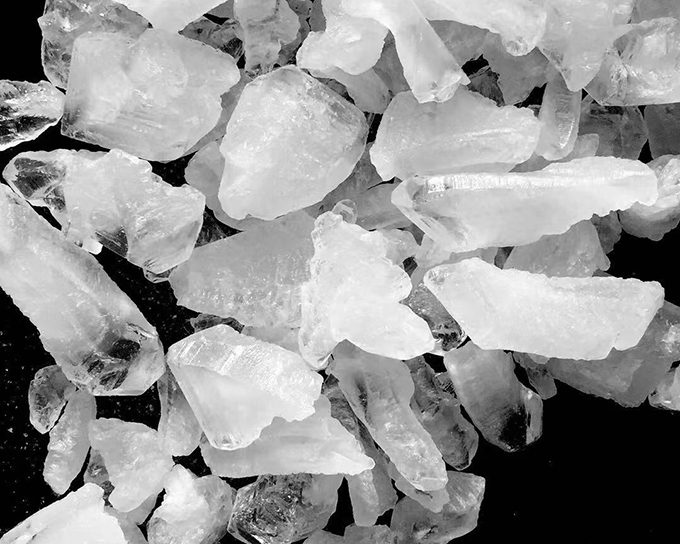
Alum hydrolyzes and forms aluminum hydroxide flocs through four mechanisms:
- Charge neutralization on negative particles
- Particle aggregation under controlled mixing
- Adsorption and sweep flocculation onto precipitate surfaces
- Solid–liquid separation by settling or DAF
Consequently, suspended and colloidal solids — and the particulate COD attached to them — come out of the water before biology.
Typical Flow
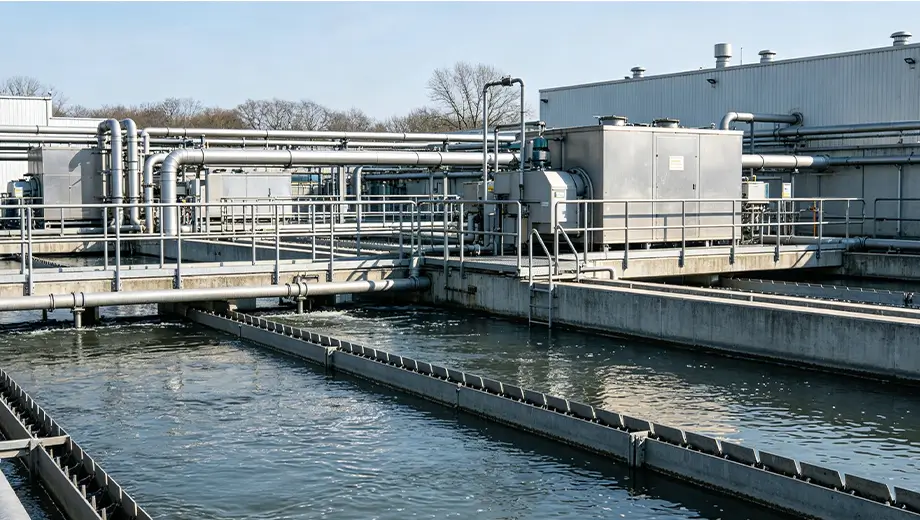
Collection → Screening → Equalization → Alum coagulation → Flocculation → Sedimentation → Biology → Polishing
Equalization is especially important in food plants because production shifts by shift. After screening, alum is rapidly mixed; PAM may then be added to grow flocs. The clarified overflow goes to biology.
Benefits
- Removes suspended and colloidal solids efficiently
- Cuts particulate COD/BOD reaching aeration basins
- Protects downstream biology from shock loads
- Low capital cost and easy operation
Importantly, alum does not remove dissolved biodegradable sugar or protein — that is biology’s job. Coagulation is pretreatment, not a replacement.
Alum vs. PAC for Food Wastewater
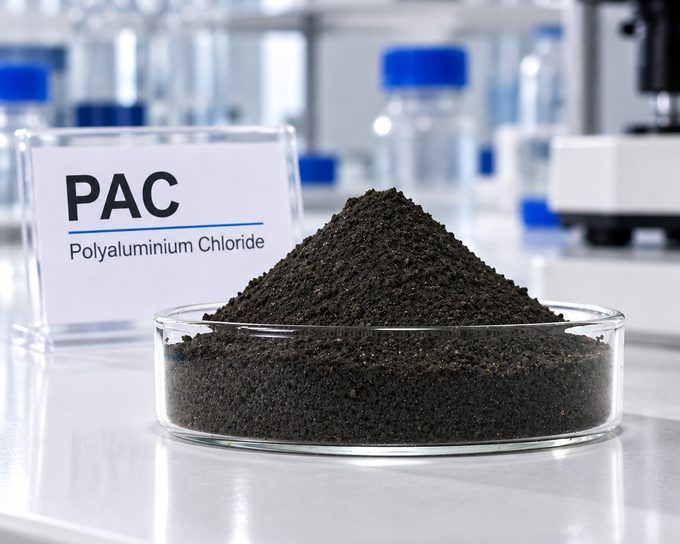
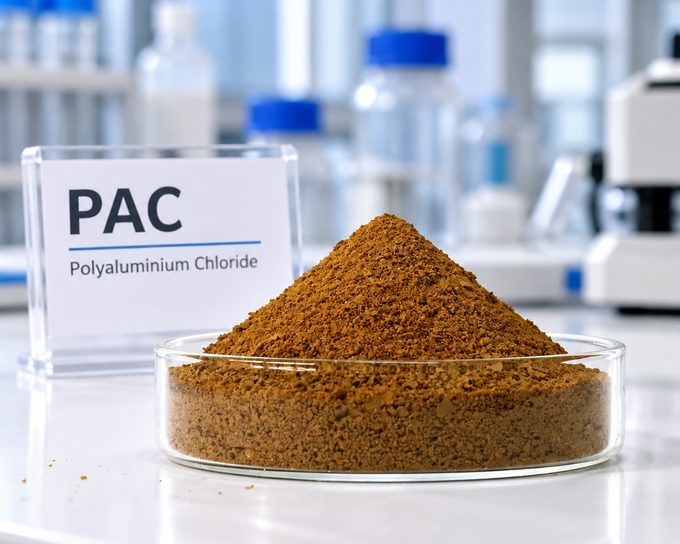
Both are aluminum coagulants. PAC is pre-hydrolyzed and often more flexible across pH; alum is cheaper and familiar. The right choice depends on:
- Raw-water pH and alkalinity
- COD, SS, oil-and-grease
- Required dose and sludge production
- Local chemical price
Therefore, run a side-by-side jar test before committing.
Sludge and Dosage Control
Alum sludge carries concentrated organic matter and aluminum hydroxide. Overdosing simply increases sludge hauling and residual aluminum. Monitor pH, turbidity, and dose; optimize by jar test.
FAQ
Can food wastewater be treated with alum alone? No. Alum removes suspended load; dissolved BOD still needs biological treatment.
Is alum cheaper than PAC? Often yes in purchase price, but PAC may need a lower dose. Compare total treatment cost, not sticker price.
Conclusion
Alum is a sensible, economical pretreatment for food-processing wastewater when matched to the stream by jar test. It settles the solids that would otherwise choke the aeration basin — nothing more, and nothing less.
References: