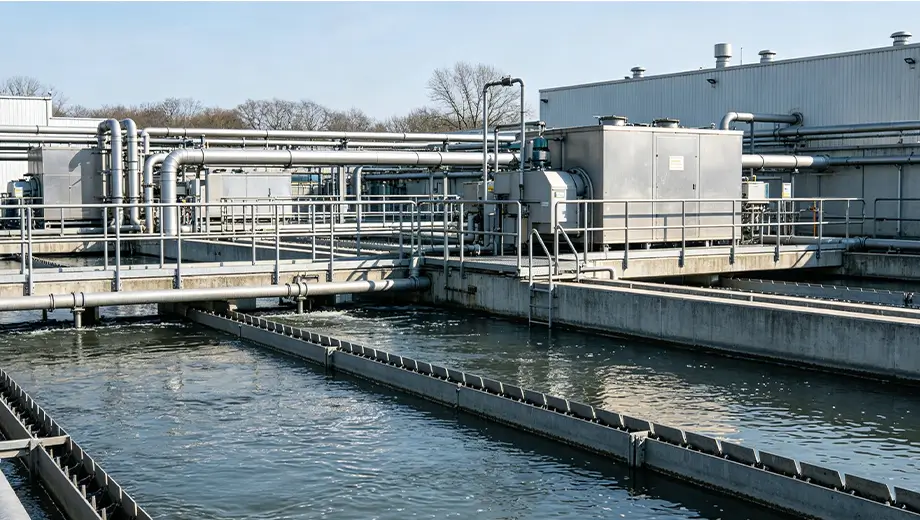
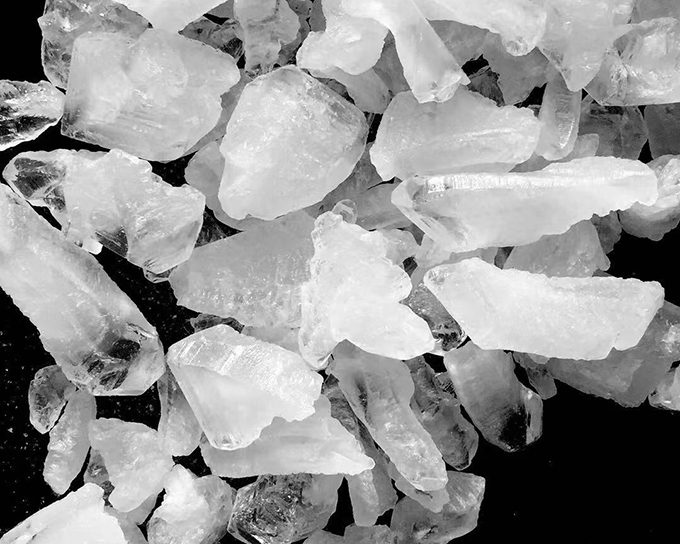
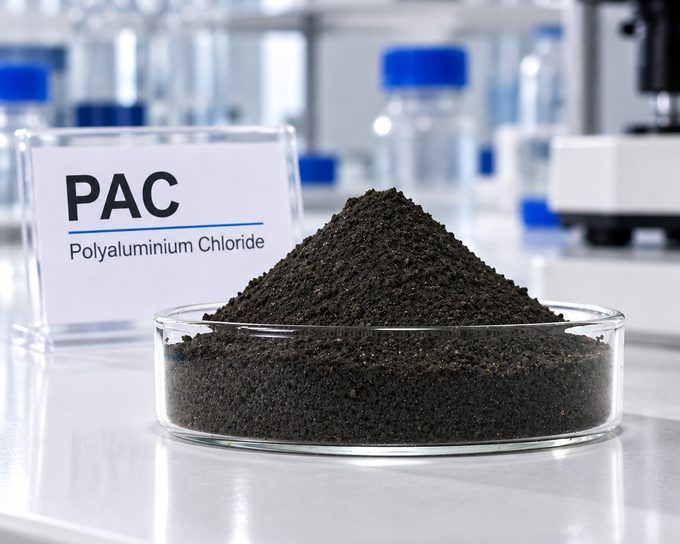
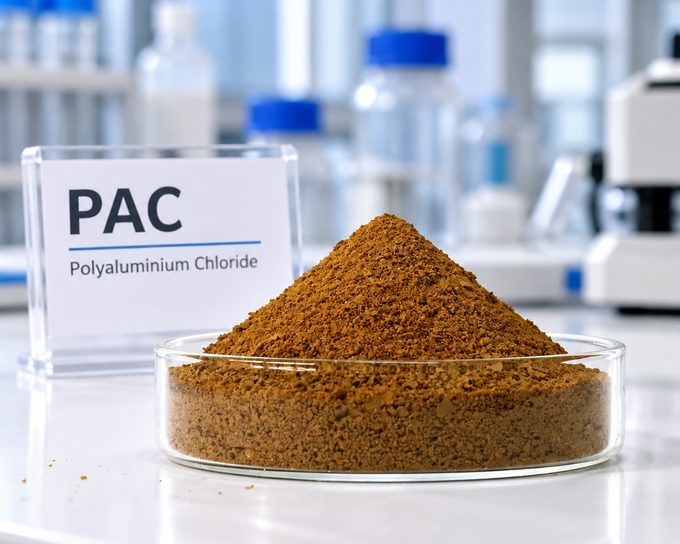
After storms, floods, or construction runoff, raw-water turbidity spikes. The operator’s instinct is to crank up alum dose. That is almost always the wrong first move. Effective high-turbidity coagulation depends on dose, pH, alkalinity, temperature, and mixing — not on the highest number on the feeder.
1. Set Dose by Jar Test, Not Guesswork
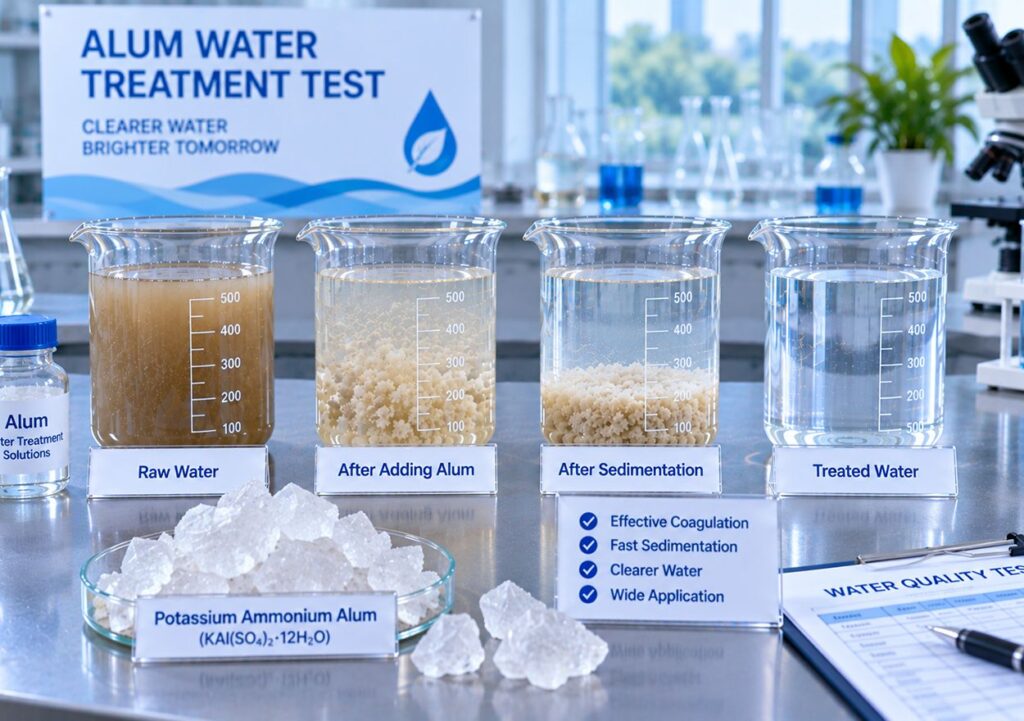
Coagulant demand varies wildly. EPA guidance reports alum doses across a wide range (roughly 5–150 mg/L) depending on raw water — but routine drinking-water operation sits in the low tens. Therefore, never jump to the upper bound just because turbidity is high. Compare several doses and measure floc formation, settling, final turbidity, and residual aluminum.

2. Alum Consumes Alkalinity
When alum hydrolyzes, it eats alkalinity and lowers pH. In low-alkalinity water, pH can fall out of the optimal window before flocs even form. Consequently, measure alkalinity alongside turbidity, and be ready to dose lime or soda ash if needed.
Alum dose → alkalinity consumption → pH shift → floc stability
3. Treat pH as a Variable, Not a Target
Aluminum hydroxide is most stable around pH 6.5 for many applications, but that is a reference point, not a law. Optimal pH depends on alkalinity, turbidity, NOM, and dose. Therefore, test dose and pH together in the jar, not separately.
4. Turbidity ≠ Coagulant Demand
Two waters at the same NTU can need very different alum doses. Fine clay, silt, organic colloids, and mineral grains all destabilize differently. As a result, turbidity readings alone are never enough to set chemical dose.
5. Cold Water Slows Flocs
Cold water is more viscous, and particle collision slows down. Flocs form slower, stay smaller, and settle less. The response is not automatically more alum — optimize mixing energy and flocculation time instead.
6. Rapid Mixing: Disperse, Don’t Floc
Rapid mix must distribute alum uniformly in seconds (often well under a minute). Measure by velocity gradient G and G×t, not by RPM, because RPM means nothing across different mixers.
7. Flocculation: Taper the Mixing
Use staged mixing — stronger early (roughly 60–70 s⁻¹), gentler later (roughly 10–30 s⁻¹) — over 15–45 minutes. Too much shear breaks flocs; too little misses collisions.
8. Strong Beats Big
A dense, durable floc outperforms a large, fragile one. Judge by settling velocity, settled turbidity, and floc strength — not by how impressive the flocs look.
9. Watch Residual Aluminum and Sludge
Higher alum doses produce more chemical sludge and can push residual aluminum above drinking-water limits. A good jar test therefore reports final pH, residual Al, sludge volume, and settled turbidity — not just turbidity removal.
Practical Optimization Checklist
- Characterize raw water: turbidity, pH, alkalinity, temperature, SS.
- Jar-test several alum doses.
- Establish the dose–pH–alkalinity relationship.
- Tune rapid mixing (G, G×t).
- Use tapered flocculation.
- Confirm settling on the actual clarifier.
- Verify full-scale performance and monitor through the storm event.
Conclusion
High-turbidity alum treatment is a balancing act — dose, alkalinity, pH, temperature, and mixing must align. The goal is the lowest effective dose that produces strong, settleable flocs with acceptable residual aluminum. Jar testing, once again, is the only reliable way to get there.
References: