Safe tap water depends on disinfection — but disinfection alone is never enough. Source water can carry bacteria, viruses, protozoa, fungi, algae, larvae, and even small aquatic organisms. Their mix changes with season, rainfall, floods, and runoff.
This article covers why drinking-water biological risk is harder than it looks — and why the industry relies on a multiple-barrier approach rather than a single chlorine dose.
What Lives in Source Water?
- Bacteria and viruses — including enteric viruses, rotavirus
- Protozoa — Cryptosporidium and Giardia (chlorine-resistant cysts/oocysts)
- Fungi and algae — Penicillium, Aspergillus, seasonal blooms
- Macroinvertebrates — cladocerans and chironomid “red worms” that occasionally penetrate distribution systems
The list changes after heavy rain, flooding, or algal blooms — which is why historical data alone is not enough.
Why No Single Disinfectant Wins
Disinfection performance depends on:
- Target organism type
- Disinfectant concentration and contact time (CT)
- Water temperature and pH
- Turbidity and organic matter — both consume disinfectant and shield pathogens
Chlorine leaves a useful residual in pipes but forms DBPs. UV inactivates without chemicals but fails in turbid water. Ozone is powerful but expensive and leaves no residual. Plants therefore combine them.
The Multiple-Barrier Approach
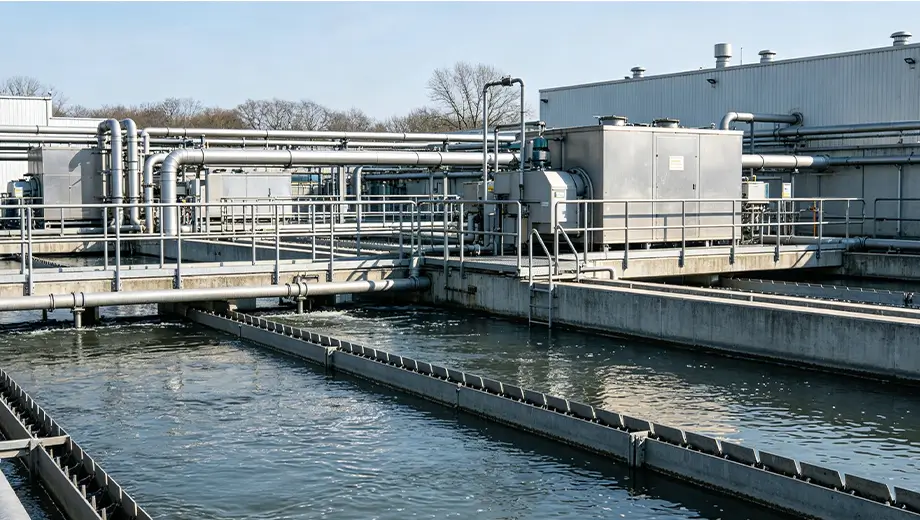
Source protection → Coagulation → Flocculation → Sedimentation → Filtration → Disinfection → Safe distribution
Each barrier does a different job:
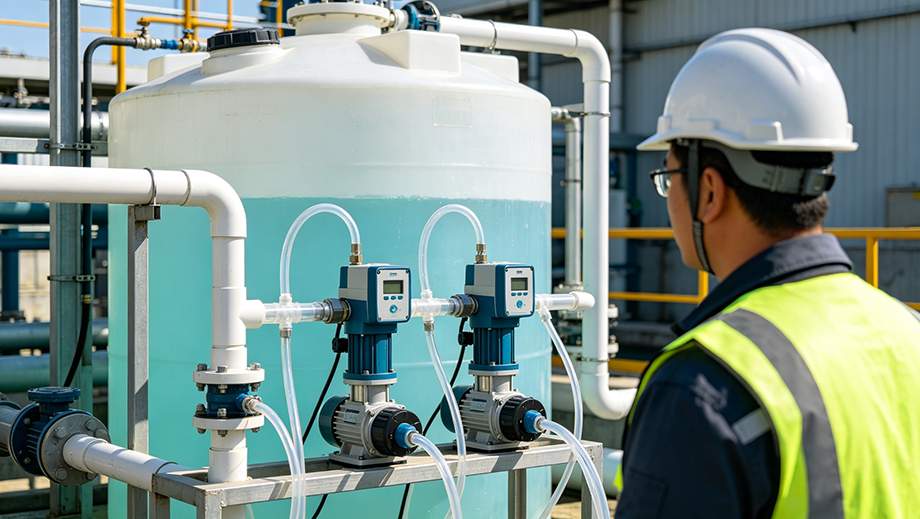
- Coagulation/flocculation — PAC and PAM remove particles, algae, and particle-bound microbes before they reach filters.
- Filtration — sand or membranes catch cysts and fine particles.
- Disinfection — chlorine, chloramine, ozone, or UV as the final kill step.
- Residual maintenance — keeps water safe in the distribution network.
Where PAC and PAM Fit
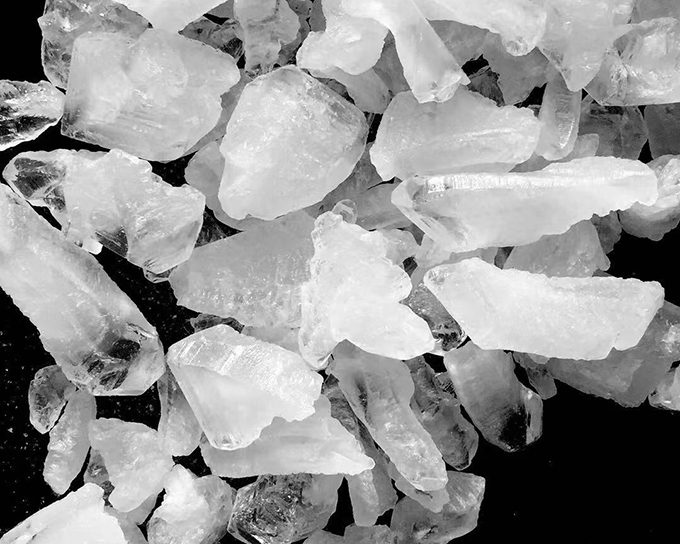
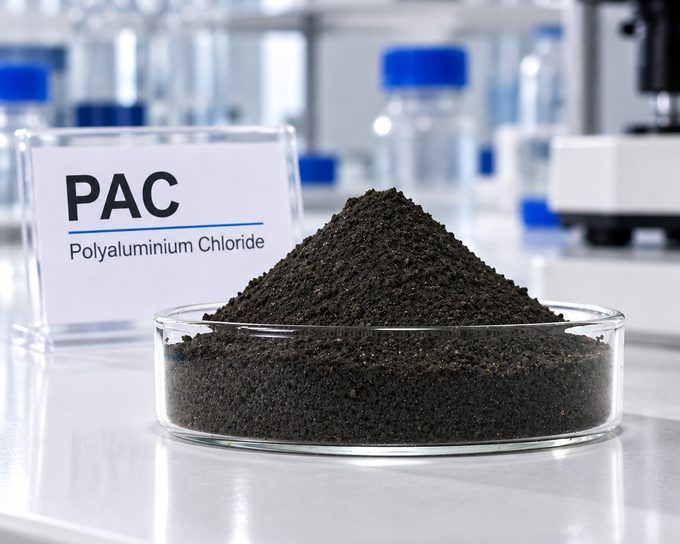
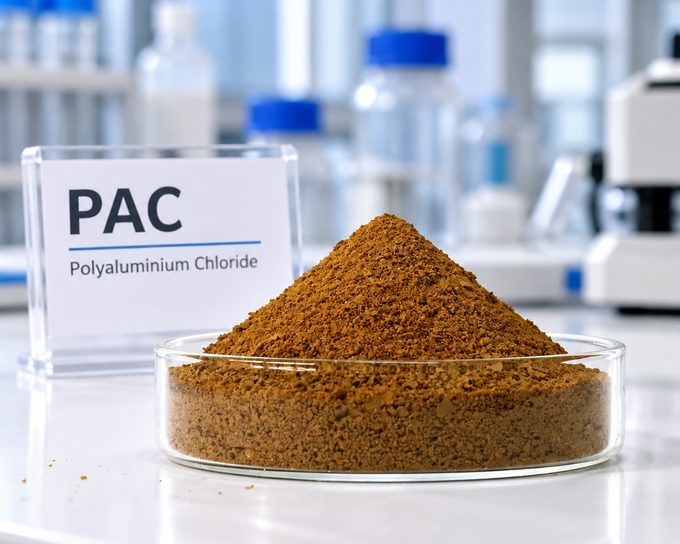
PAC (polyaluminium chloride) destabilizes colloids and particles. PAM (polyacrylamide) grows flocs. Good clarification lowers the load on filtration and disinfection — which is what makes chlorine or UV perform at the design level. Grade and dose are set by jar test on the actual source water.

FAQ
Why is Cryptosporidium hard to treat? Its oocysts are resistant to normal chlorination. Removal relies on coagulation, sedimentation, and (especially) filtration, plus ozone or UV where required.
Is chlorine enough for safe drinking water? Chlorine is essential, but raw-water turbidity and organic matter undermine it. Multiple barriers are more reliable than a single dose.
Can PAC help with biological risk? PAC itself does not disinfect. It removes the particles and turbidity that shield pathogens, so downstream disinfection works better.
Conclusion
Biological safety in drinking water is a system property, not a single chemical. Source control, PAC/PAM clarification, filtration, and well-designed disinfection together produce the tap water consumers trust.
Better Water. Better Treatment. Better Cooperation.
References: