Biological pollutants** are the pathogens and biological agents in wastewater that can cause disease: bacteria, viruses, protozoa, parasite eggs, and microbial toxins.
Not every microbe in wastewater is a problem. The same activated-sludge bugs that eat BOD are beneficial. The concern is the pathogens riding in from sewage, hospitals, farms, and food processing.
Sources
Domestic Sewage
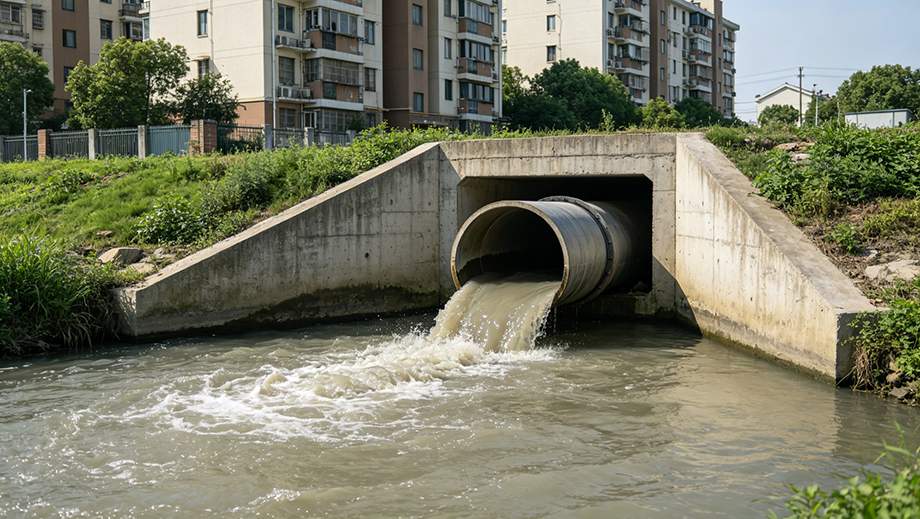
Fecal bacteria, viruses, protozoa, and worm eggs enter through human waste. Without treatment, waterborne diseases — cholera, dysentery, typhoid, hepatitis — travel with it.
Hospital and Healthcare Wastewater
Higher pathogen load plus antimicrobial-resistant organisms and resistance genes. Hospital streams usually need dedicated pretreatment.
Livestock, Poultry, and Slaughterhouses
Animal manure, blood, and tissue carry bacteria, viruses, and parasites.
Food and Meat Processing
Blood, tissue, and biodegradable organics create high microbial loads even when the target pollutant is “organic,” not “biological.”
Key Pathogen Groups
- Bacteria — pathogenic E. coli, Salmonella, Shigella, Vibrio cholerae
- Viruses — enteric viruses, norovirus, rotavirus
- Protozoa — Giardia, Cryptosporidium (resistant to some disinfectants)
- Parasite eggs — helminths, removed largely by settling and filtration
Treatment Train
Screening → Coagulation & Flocculation → Sedimentation → Biological Treatment → Filtration → Disinfection
- Screening protects equipment.
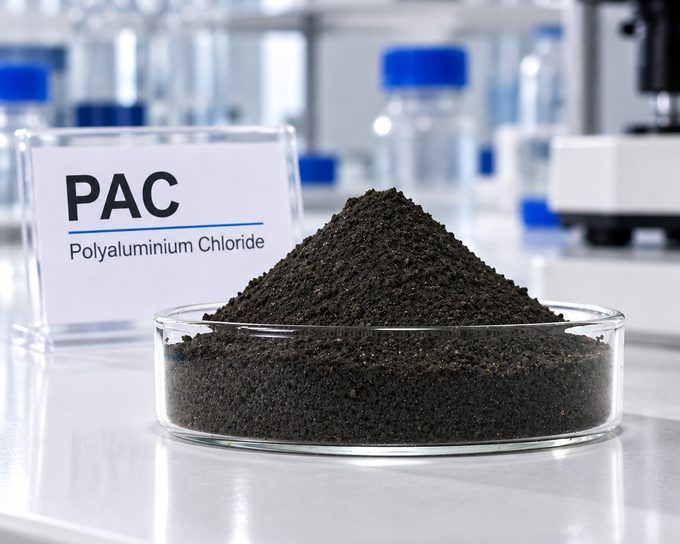
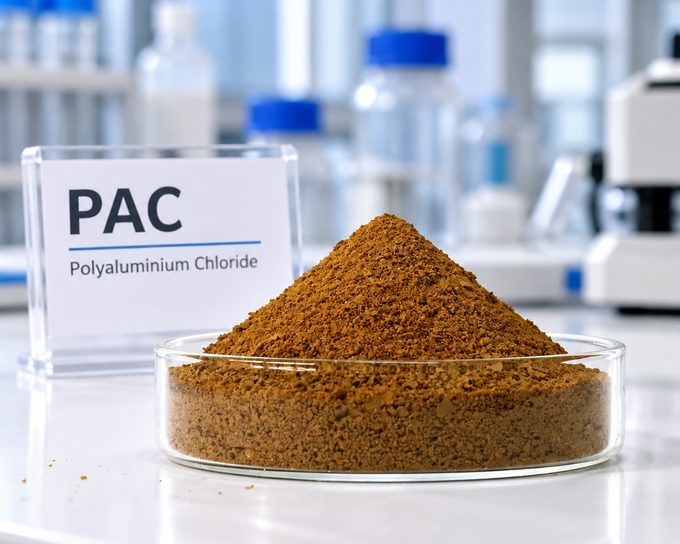
- Coagulation/flocculation — PAC destabilizes particles and particle-bound microbes; PAM strengthens flocs. This also lowers turbidity, which is critical because turbid water shields pathogens from disinfectants.
- Biological treatment digests BOD but is not a guarantee of pathogen removal.
- Filtration (sand, multi-media, membranes) removes remaining particles and cysts.
- Disinfection — the final barrier.
Disinfection Options
- Chlorination (gas, sodium hypochlorite, chlorine dioxide) — cheap, effective, leaves a residual; watch DBPs.
- UV — no chemical residual, but depends on clear water.
- Ozone — strong oxidant, no residual, capital-intensive.
Where PAC and PAM Fit
PAC and PAM are pretreatment tools, not disinfectants. By removing turbidity and particle-bound microbes before the disinfection step, they make chlorine/UV/ozone work better and use less chemical.
FAQ
Does activated sludge remove pathogens? Partially. Biology removes some, but final disinfection is still required for discharge or reuse.
Why is turbidity control important before disinfection? Suspended particles shield pathogens from chlorine and UV. Low-turbidity water disinfects more reliably.
Can PAC replace disinfection? No. PAC removes particles; it does not reliably inactivate free-swimming viruses and bacteria.
Conclusion
Biological control is a barriers problem: screening, coagulation, settling, biology, filtration, and final disinfection. PAC and PAM make the clarification step work so the disinfection step can actually reach the bugs.
References: