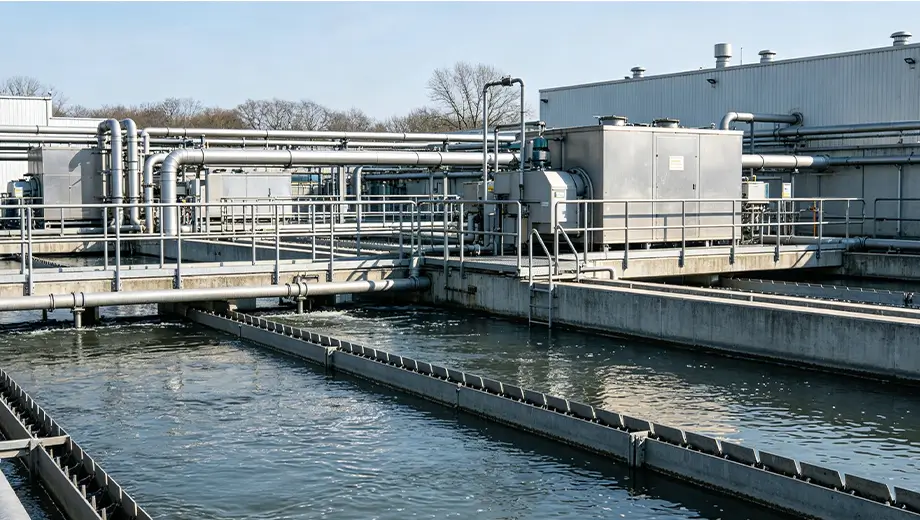
Industrial and municipal wastewater carry suspended solids, colloids, organics, oils, nutrients, microorganisms, and sometimes heavy metals. Conventional wastewater treatment removes them in stages by combining physical, chemical, and biological unit processes.
A typical plant looks like this:
Wastewater → Screening → Equalization → Coagulation & Flocculation → Sedimentation → Biological Treatment → Filtration → Disinfection → Treated Water
1. Screening
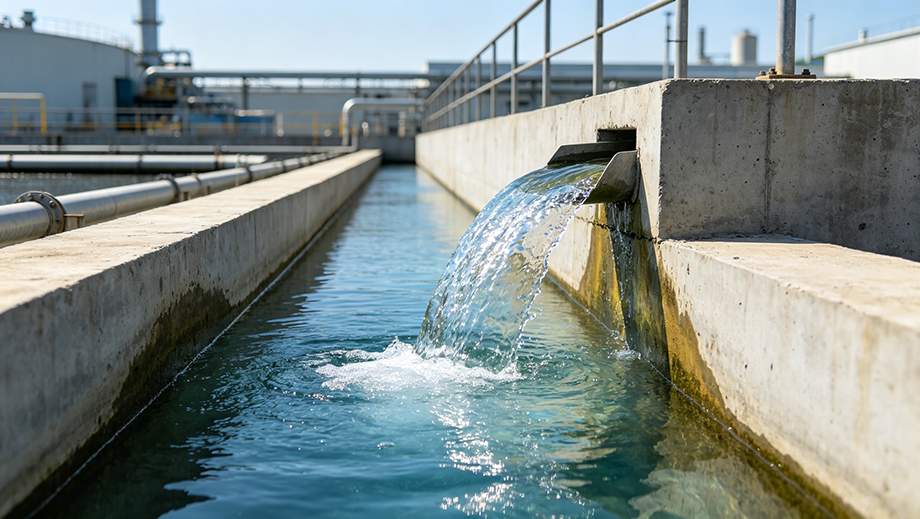
Screens remove plastics, fibers, rags, and debris so pumps and pipes don’t clog.
2. Equalization
Flow and load swing through the day. An equalization tank averages them out, giving downstream processes a stable feed.
3. Coagulation and Flocculation
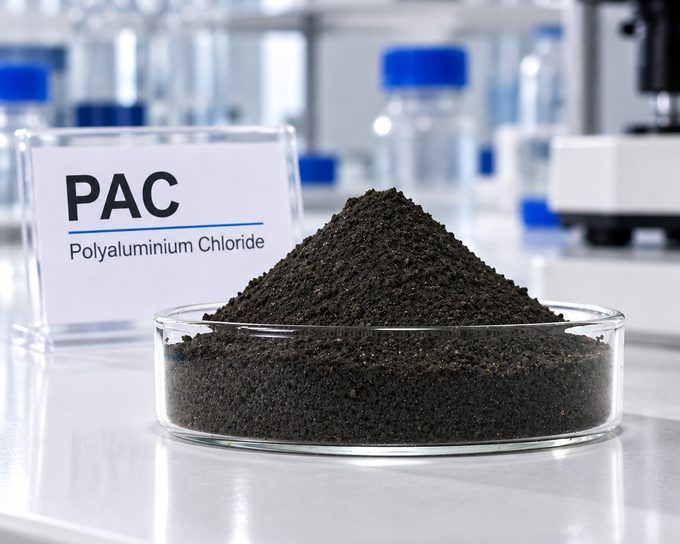
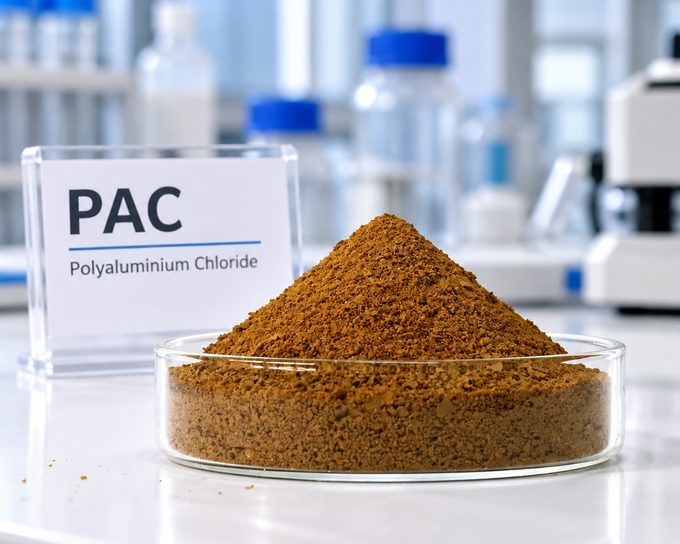
PAC (polyaluminium chloride) destabilizes colloids and fine particles. PAM (polyacrylamide) — chosen as anionic, cationic, nonionic, or amphoteric — grows them into settleable flocs. Grade and dose are set by jar test.
4. Sedimentation
Flocs settle in a clarifier. The sludge drawn off needs thickening, dewatering, and disposal.
5. Biological Treatment
Microbes eat biodegradable BOD. Common configurations:
- Activated sludge
- Sequencing batch reactors (SBR)
- Moving bed biofilm reactors (MBBR)
- Membrane bioreactors (MBR)
- Anaerobic digesters / reactors
6. Filtration
Sand, multi-media, activated carbon, or membrane filtration polishes the effluent before final discharge or reuse.
7. Disinfection
Chlorine, UV, or ozone inactivates pathogens before discharge or reuse.
Why Conventional Treatment Still Wins
- Mature — every unit is proven across thousands of plants.
- Flexible — units can be added or skipped based on the wastewater.
- Fast chemical removal — coagulation cuts suspended load in hours.
- Upgradeable — advanced treatment (GAC, membranes, AOPs) can be bolted on later.
Limits and Challenges
- Dissolved recalcitrant organics, heavy metals, salts, and toxic streams may need dedicated unit processes.
- Overdosing chemicals wastes money and generates more sludge; underdosing hurts effluent quality.
- Biology is sensitive to pH, temperature, toxic shocks, and load swings.
Optimizing Performance
- Run jar tests to set PAC/PAM grades and doses.
- Stabilize flow, pH, dissolved oxygen, and sludge age.
- Add activated carbon, membranes, or AOPs only when effluent standards demand them.
- Optimize sludge handling — it is often the biggest operating cost.
FAQ
What are the stages of conventional wastewater treatment? Screening, equalization, coagulation/flocculation, sedimentation, biological treatment, filtration, and disinfection.
What is the role of PAC in wastewater treatment? PAC is the primary coagulant. It destabilizes colloids so they can be flocculated and settled.
What is the role of PAM? PAM is the flocculant that grows the destabilized particles into large, settleable flocs.
Conclusion
Conventional treatment remains the default for municipal and industrial wastewater because it is proven, flexible, and upgradeable. Coagulation and flocculation with the right PAC/PAM selection is the workhorse of solid–liquid separation — get it right and the rest of the plant runs far more reliably.
References:
U.S. Environmental Protection Agency (EPA) drinking water resources