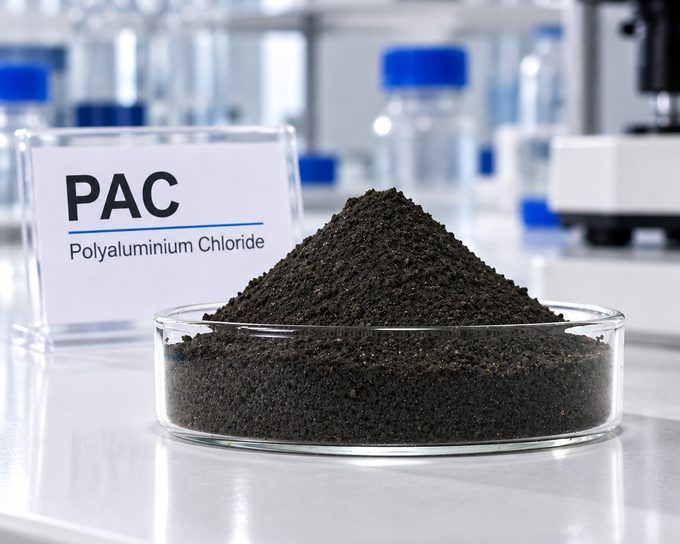
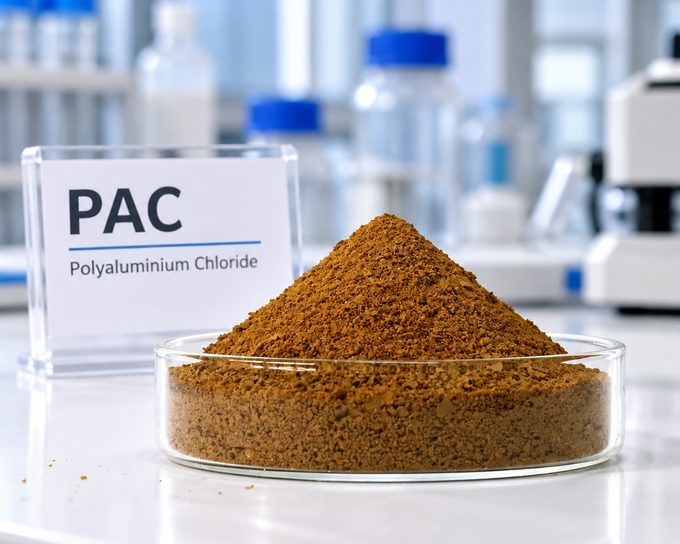
Some water problems you can see or smell. Sensory pollutants are the substances and conditions that make water look colored, taste off, smell bad, look turbid, or foam up.
They are not always the most toxic contaminants — but they are the ones that make customers call, and they often point to underlying suspended solids, organics, or industrial discharge problems.
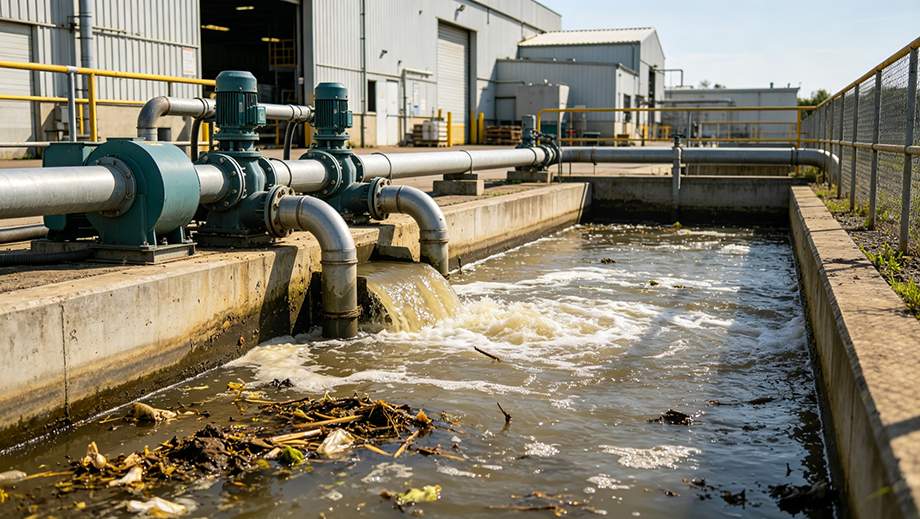
What Counts as a Sensory Pollutant?
- Color — from dyes, pigments, natural organic matter, industrial chemicals
- Odor — hydrogen sulfide, ammonia, amines, mercaptans
- Turbidity — clay, silt, suspended solids, colloids
- Foam — detergents, surfactants, proteins
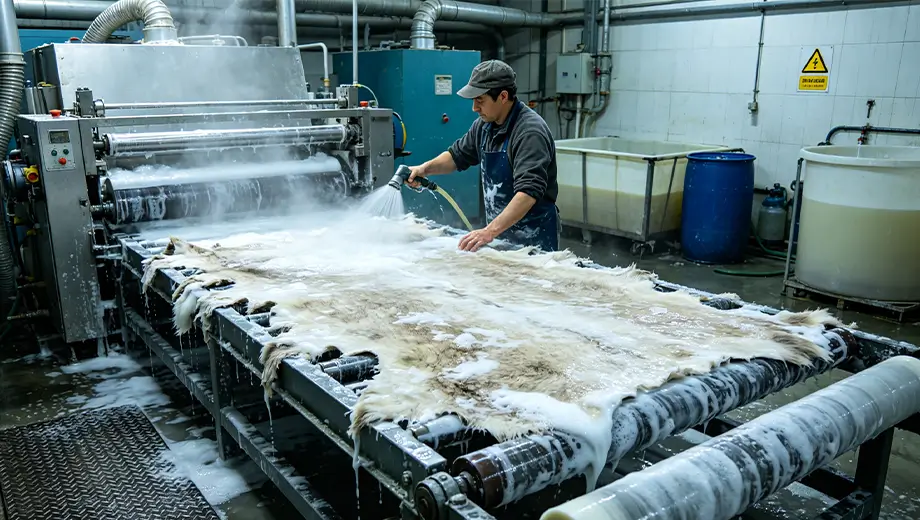
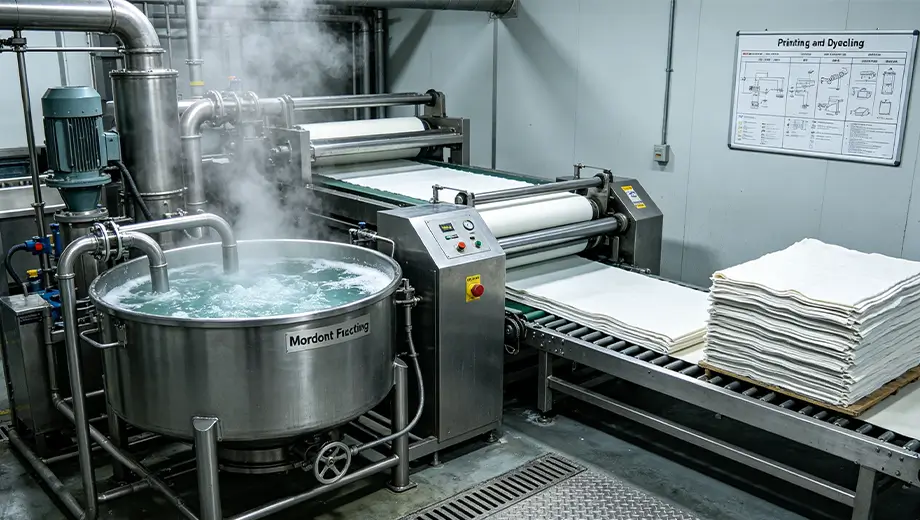
These come from textile mills, food processing, chemical plants, domestic sewage, and agricultural runoff.
Effects
- Turbidity blocks light and carries bacteria, metals, and organic matter on particle surfaces.
- Color — even at low concentration, dyes and humic substances make water look undrinkable.
- Odor — anaerobic sewage or industrial discharge produces strong, recognizable smells.
- Foam — persistent surface foam signals surfactant or protein contamination.
Treatment
A typical treatment sequence:
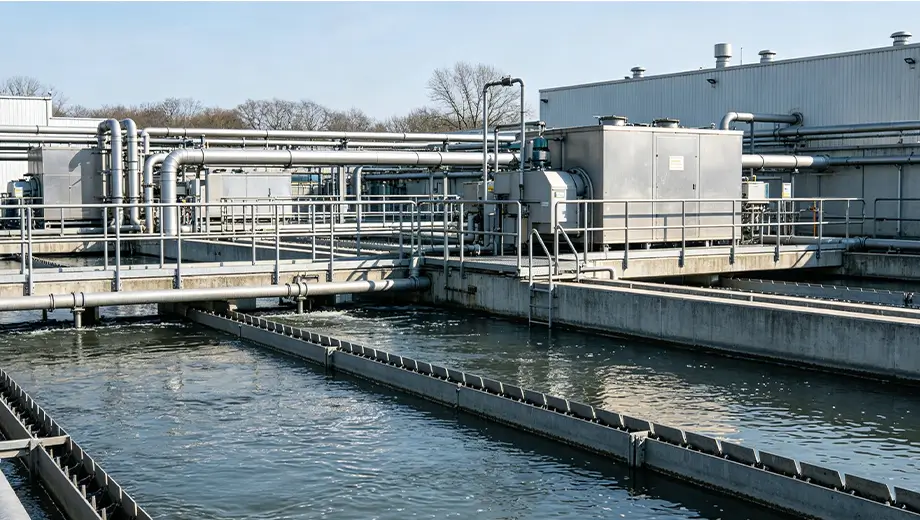
Screening → Equalization → pH adjustment → PAC → PAM → Sedimentation → Biological treatment → Filtration → Disinfection
PAC for Turbidity and Color
PAC (polyaluminium chloride) is one of the most widely used coagulants for turbidity and color. It destabilizes particles and some color-causing colloids so they can be settled or filtered.
PAM for Flocculation
After PAC, PAM (polyacrylamide) grows the flocs. The right grade (anionic / cationic) is chosen by jar test based on the wastewater.

Potassium Alum and Ammonium Alum
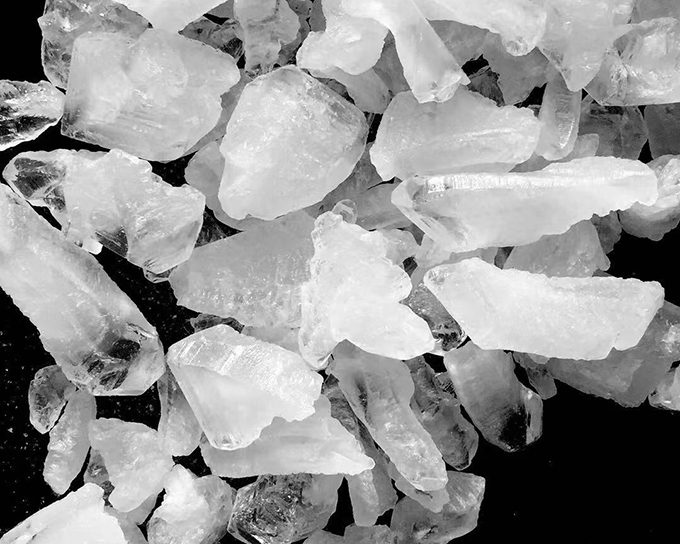
These are alternative aluminium-based coagulants. The choice between PAC, potassium alum, and ammonium alum depends on pH, turbidity, color, and cost.
For odor-causing dissolved compounds that coagulation does not catch, add activated carbon, oxidation, or air stripping.

FAQ
What are sensory pollutants? Contaminants that change how water looks, tastes, or smells — color, odor, turbidity, and foam.
Can PAC remove color from water? PAC removes the colloidal and particulate fraction that causes color. Truly dissolved dyes or humic substances may need activated carbon or oxidation.
Why is jar testing important for sensory treatment? Turbidity, color, pH, and alkalinity vary by source. A jar test selects the right coagulant and dose before full-scale dosing.
Conclusion
Sensory problems are the visible face of water pollution. PAC coagulation and PAM flocculation are the first-line treatment for turbidity and particle-bound color; dissolved odor and color compounds need activated carbon or oxidation. Start with a jar test.
References:
U.S. Environmental Protection Agency (EPA) drinking water resources