For rivers, lakes, and reservoirs, the conventional water treatment process is still the backbone of municipal and industrial water production. It uses a simple, proven sequence: mixing, coagulation, flocculation, sedimentation, filtration, and disinfection.
This guide walks through each step, explains where PAC and PAM fit, and covers when conventional treatment is enough — and when you need to add advanced treatment.

The Process at a Glance
Raw Water → Mixing → Coagulation & Flocculation → Sedimentation → Filtration → Disinfection → Treated Water
Raw water typically carries suspended solids, colloids, microorganisms, algae, and natural organic matter. The job of each downstream step is to remove or inactivate these, stage by stage.
Step-by-Step
1. Mixing and Coagulation
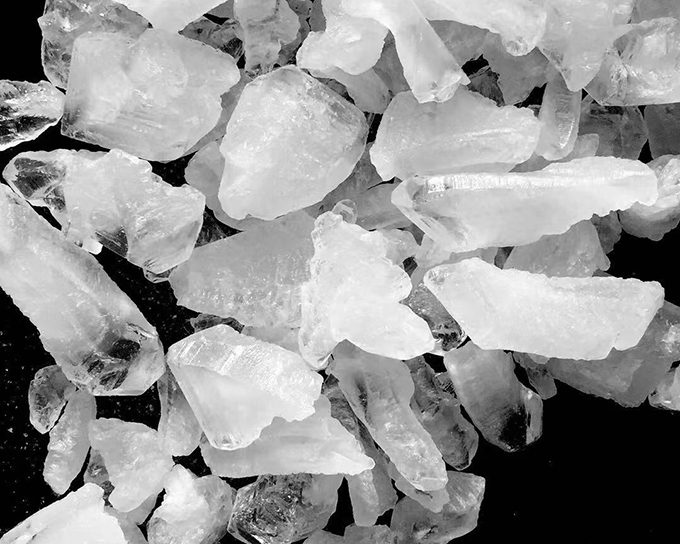
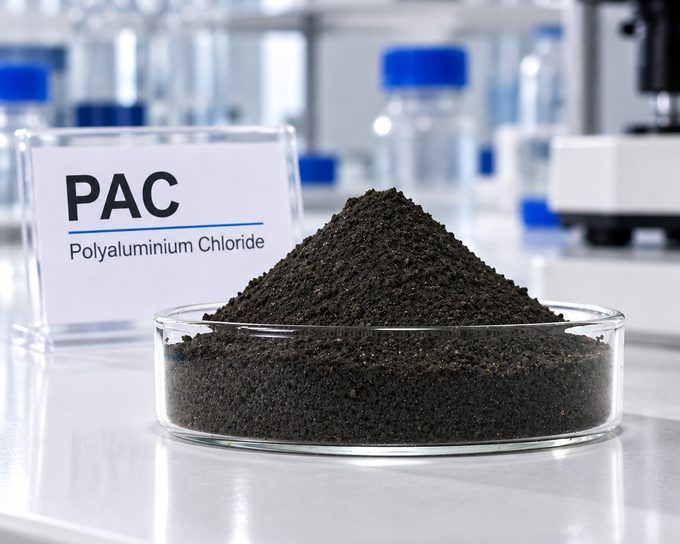
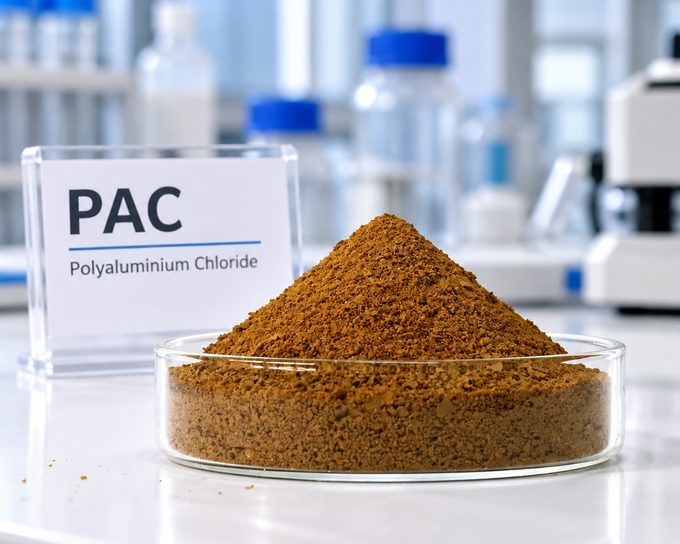
A coagulant (commonly PAC, polyaluminium chloride) is added and rapidly dispersed. Its job is to neutralize the surface charge of tiny particles and colloids so they stop repelling each other.
2. Flocculation
Gentle, slower mixing lets the destabilized particles collide and grow. PAM (polyacrylamide) is often added as a flocculant aid to build larger, stronger flocs. Anionic, cationic, nonionic, or amphoteric PAM is chosen by jar test.
3. Sedimentation
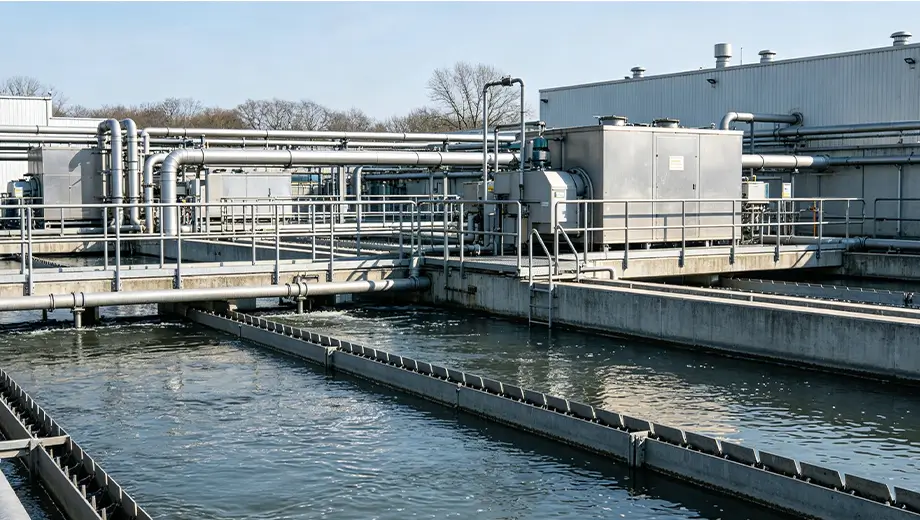
The large flocs settle out under gravity in a clarifier. This removes most suspended solids and turbidity before filtration.
4. Filtration
The clarified water passes through sand, anthracite, or multi-media filters. Filtration catches the remaining fine particles and flocs. Good upstream coagulation is what keeps filters running longer between backwashes.
5. Disinfection
Chlorine (or chlorine dioxide, ozone, or UV) is applied to inactivate pathogens before distribution. Chlorine also leaves a residual that protects water in the pipe network — but over-dosing raises residual chlorine and disinfection by-products (DBPs), so dosage is carefully controlled.
Advantages of Conventional Treatment
- Low capital cost compared with membranes or advanced oxidation.
- Mature technology — every unit is well understood and widely operated.
- Simple to run when well designed.
- Effective turbidity removal at scale.
- Flexible chemistry — coagulants and flocculants can be swapped for the source water.
Limitations
Conventional treatment alone does not solve every source-water problem:
- Dissolved organic matter, ammonia, nitrate, or algae blooms may need pretreatment or advanced treatment.
- Low-temperature, low-turbidity water can be hard to flocculate.
- Residual aluminium can rise if PAC dose or pH is poorly controlled.
- Chlorine DBP formation rises when too much chlorine is dosed against organic-rich water.
Optimizing the Process
When raw water gets harder to treat, add pretreatment or polishing:
- Pretreatment: powder activated carbon, pre-ozonation, biological pretreatment, or algae control.
- Advanced treatment: ozone, granular activated carbon, ultrafiltration, nanofiltration, reverse osmosis, or AOPs.
- Process tuning: better PAC/PAM selection via jar test, optimized mixing, and smarter filtration control.
FAQ
What is the conventional water treatment process? Mixing → coagulation → flocculation → sedimentation → filtration → disinfection. It is the standard flow used for surface-water treatment around the world.
Where does PAC fit in? PAC is dosed at the coagulation stage to destabilize particles and colloids.
Where does PAM fit in? PAM is added after PAC during flocculation to grow larger, settleable flocs.
Is conventional treatment enough for drinking water? It works well for many surface waters. When the source has high organic matter, algae, ammonia, or micropollutants, pretreatment or advanced polishing is added.

Conclusion
Conventional water treatment remains the workhorse of drinking-water production. With the right PAC/PAM selection and jar-tested dosing, it reliably removes turbidity, particles, and a large fraction of microorganisms. For complex source waters, layer pretreatment and advanced treatment on top rather than replacing the proven train.
Download our one-page PAC/PAM dosing guide for surface water → Contact us
References:
U.S. Environmental Protection Agency (EPA) drinking water resources