Nutrient pollution is one of the most common forms of water degradation worldwide. It happens when excess nitrogen and phosphorus enter rivers, lakes, reservoirs, estuaries, and coastal waters.
Nitrogen and phosphorus are essential for plant growth. But at elevated concentrations they trigger rapid algae growth, eutrophication, oxygen depletion, and fish kills. For wastewater plants and industrial operators, controlling these nutrients before discharge is a core compliance and environmental task.
What Is Nutrient Pollution?
Nutrient pollution occurs when too much nitrogen- or phosphorus-containing compound reaches a water body. Common forms include:
- Nitrate and ammonium
- Organic nitrogen
- Phosphate and other phosphorus compounds
- Nitrogen-containing detergents
Natural levels are fine. Problems start when human activity pushes concentrations high enough to disrupt the balance — especially in slow-moving lakes, reservoirs, and estuaries where nutrients accumulate.
Main Sources
Domestic Sewage
Human waste and phosphate-based detergents carry nitrogen and phosphorus into municipal wastewater. Without treatment, these flow straight into receiving waters.
Agricultural Runoff
Rain washes excess fertilizer and livestock manure from farmland into streams. This is often the largest nutrient source for lakes and coastal areas.
Industrial Wastewater
Food processing, fertilizer manufacturing, chemical plants, and pharmaceutical facilities can discharge high-strength nitrogen and phosphorus streams that need dedicated removal.
What Is Eutrophication?
Eutrophication is the ecosystem response to nutrient overload. The chain is straightforward:
Excess N & P → algal bloom → algae die → microbes decompose them → dissolved oxygen drops → fish and aquatic life suffer
Algal Blooms and Red Tides
Depending on the species, the water surface may turn green, blue, red, brown, or milky. In fresh water these are called algal blooms; in coastal waters they are known as red tides. Some blooms produce toxins, which adds a drinking-water and aquaculture risk on top of the oxygen problem.
Environmental Impacts
- Dissolved oxygen depletion — dying algae and bacteria consume oxygen faster than it can be replenished.
- Fish kills — sensitive species die off as DO falls.
- Poor water quality — turbidity, odor, and taste problems rise.
- Ecosystem shift — algae outcompete native plants and fish.
How Is Nutrient Pollution Treated?
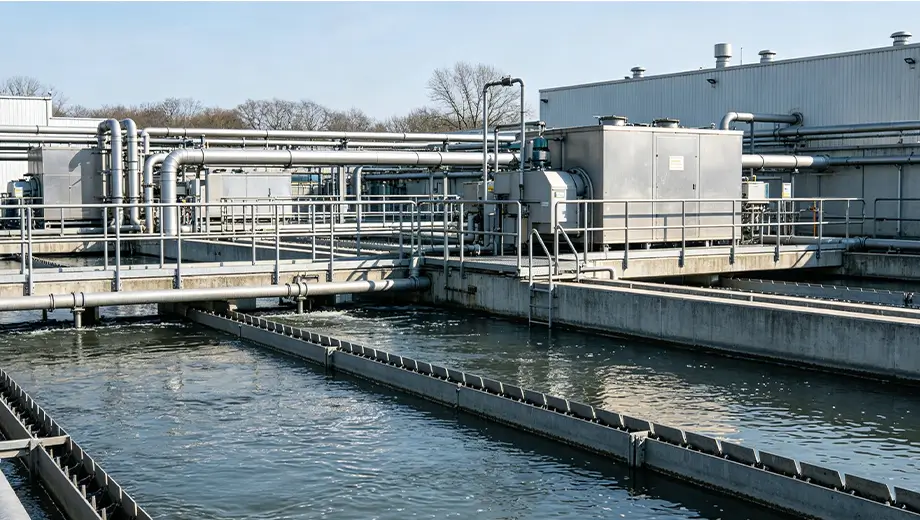
A typical treatment train combines source control and engineered treatment:
Screening → Equalization → Coagulation/Flocculation → Biological Treatment → Filtration → Disinfection
Nitrogen removal is mainly biological — nitrification followed by denitrification.
Phosphorus removal can be biological, chemical (precipitation), or both. Aluminum-based coagulants are widely used for chemical phosphorus removal.
PAC for Phosphorus Removal
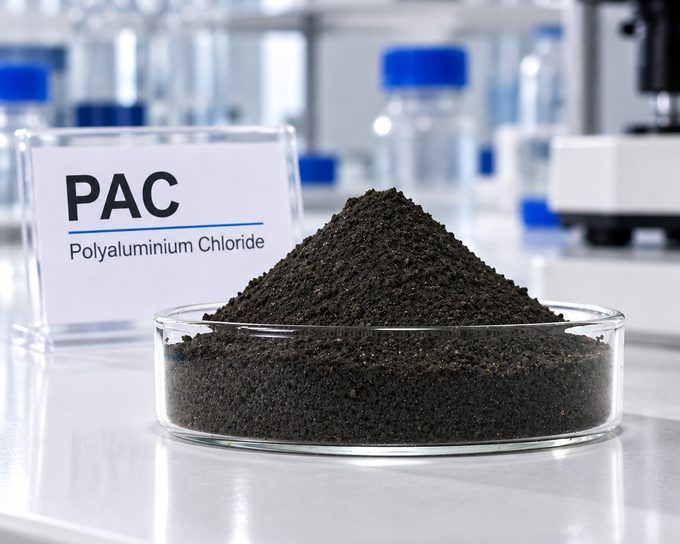
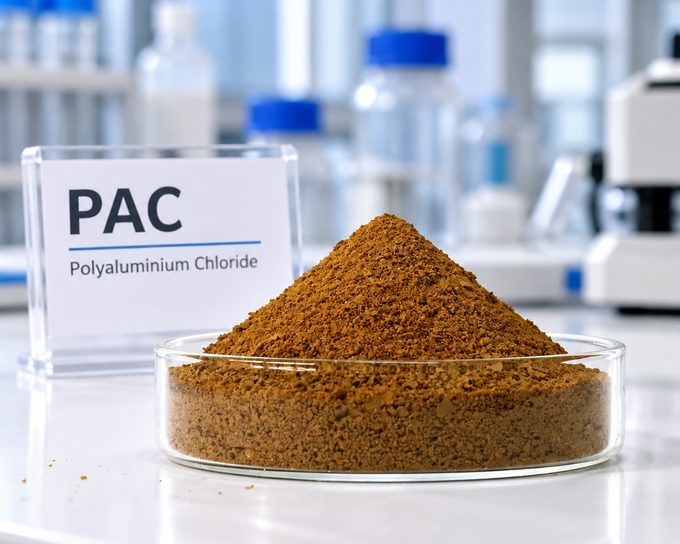
PAC (polyaluminium chloride) destabilizes colloids and also precipitates/adsorbs soluble phosphate, depending on pH and dose. A typical sequence:
PAC dosing → rapid mix → PAM dosing → flocculation → sedimentation

PAM in Nutrient Wastewater
PAM (polyacrylamide) bridges the destabilized particles into larger, settleable flocs. PAC and PAM are almost always used as a pair.
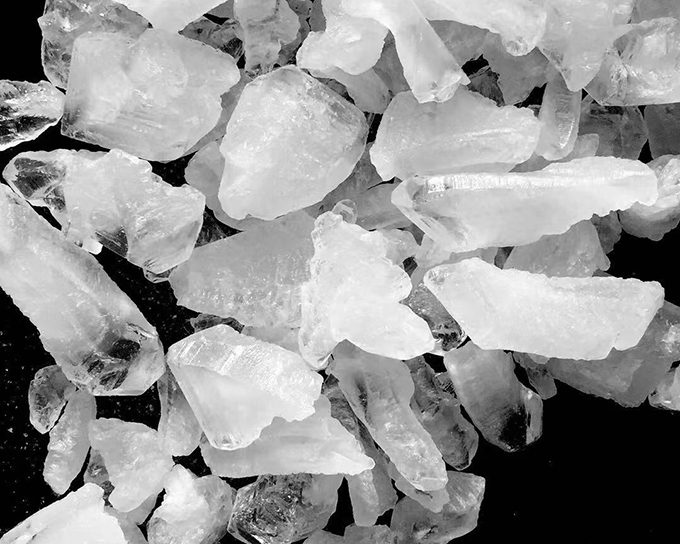
Potassium Alum and Ammonium Alum
These are alternative aluminium-based coagulants used in selected water and wastewater applications. The choice between PAC, potassium alum, and ammonium alum depends on raw-water quality, pH, phosphorus level, and cost — always compare them in a jar test.
FAQ
What is nutrient pollution in water? Excess nitrogen and phosphorus, usually from sewage, fertilizer runoff, or industrial discharge, that fuels algal blooms and depletes dissolved oxygen.
Can PAC remove phosphorus? Yes. Under the right pH, PAC precipitates and adsorbes phosphate; the exact dose is set by jar testing.
What is the role of PAM in phosphorus removal? PAM is a flocculant. It builds the flocs that carry the precipitated phosphorus out by settling or flotation. It does not itself precipitate phosphate.
What is the difference between PAC and PAM? PAC is a coagulant that neutralizes particle charge; PAM is a polymer flocculant that binds particles into larger flocs.
Conclusion
Nutrient pollution is a nitrogen-and-phosphorus problem that drives eutrophication and algal blooms. Control combines biological nitrogen removal with chemical phosphorus precipitation. PAC supports the phosphorus step, PAM strengthens flocculation, and jar testing sets the right dose.
Choosing a coagulant for a P-removal application? Ask our engineers for a jar-test recommendation →
References:
U.S. Environmental Protection Agency (EPA) drinking water resources