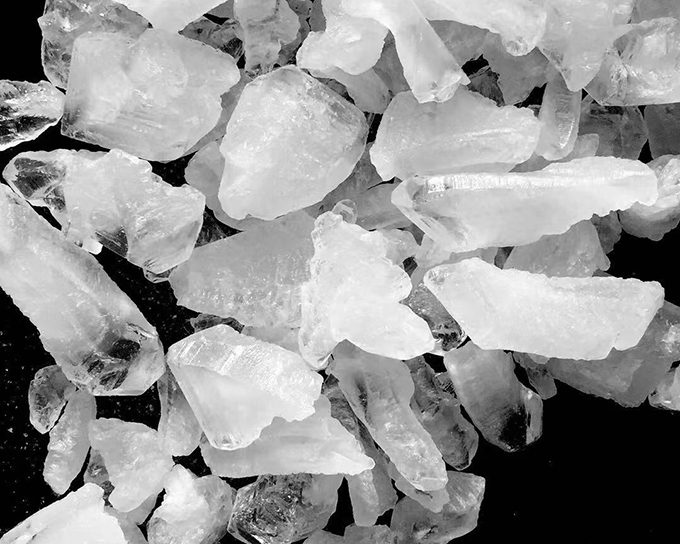
Potassium alum (Bai Fan, 白矾) is one of the few inorganic minerals that connects traditional herbal practice with modern formulation work. Its defining trait is astringency — the temporary tightening and drying sensation people know from styptic pencils and mineral deodorants.
This article takes a formulator’s view: how that astringent behavior arises chemically, and where it fits in modern topical and personal-care products.
Why Alum Feels Astringent
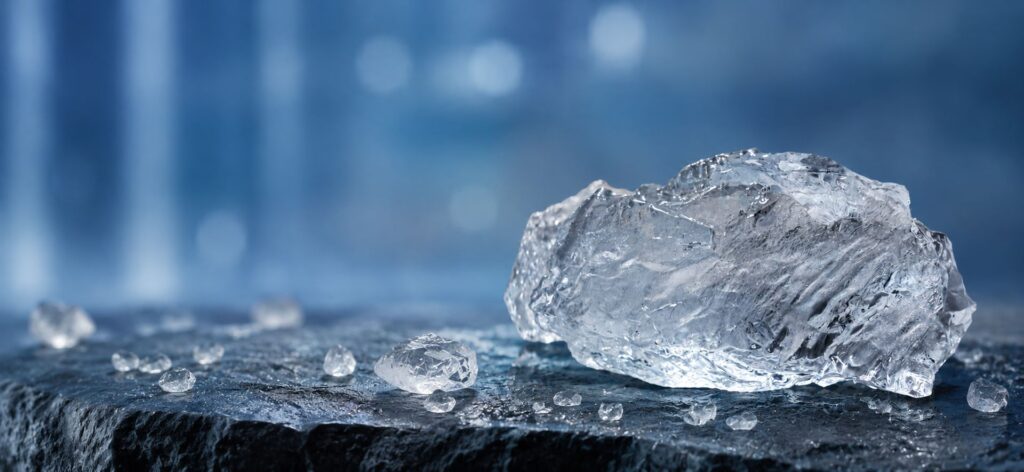
When potassium alum dissolves, it releases aluminum ions in an acidic, ionic solution. Those aluminum species interact with the proteins on skin surfaces, producing the familiar tightening sensation. Consequently, alum works as a sensory functional ingredient in products designed around that effect.
Nevertheless, the strength of that effect depends on concentration, pH, and the rest of the formulation. Therefore, formulation testing is non-negotiable.
Traditional and Modern Surface-Care Uses
Historically, alum was used wherever “excess surface moisture” was a concern. Today, that same functional profile translates into:
- Mineral deodorants and alum stones
- After-shave splashes and lotions
- Astringent toners
- Traditional topical powders
- Personal-hygiene and cleansing products
In every case, alum contributes sensory and functional properties; it is not a pharmaceutical active.
Alum as a Processing Auxiliary — Not Just an Ingredient
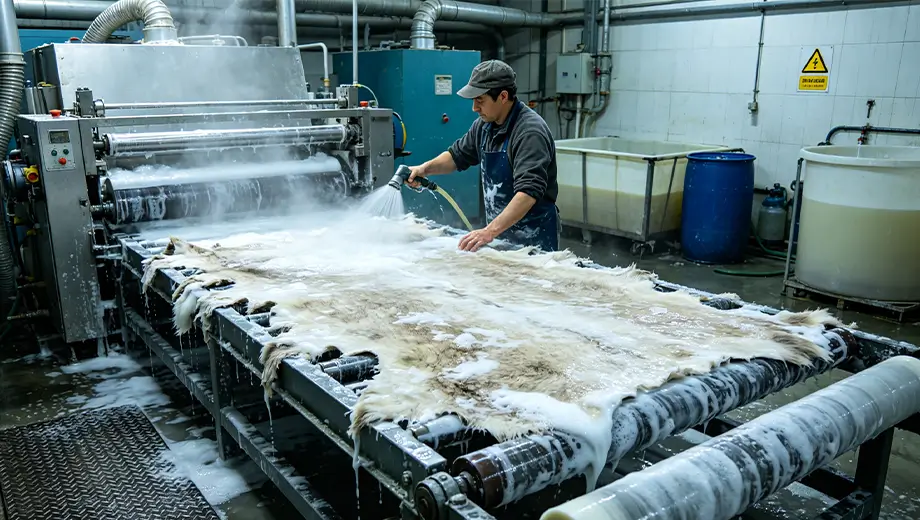
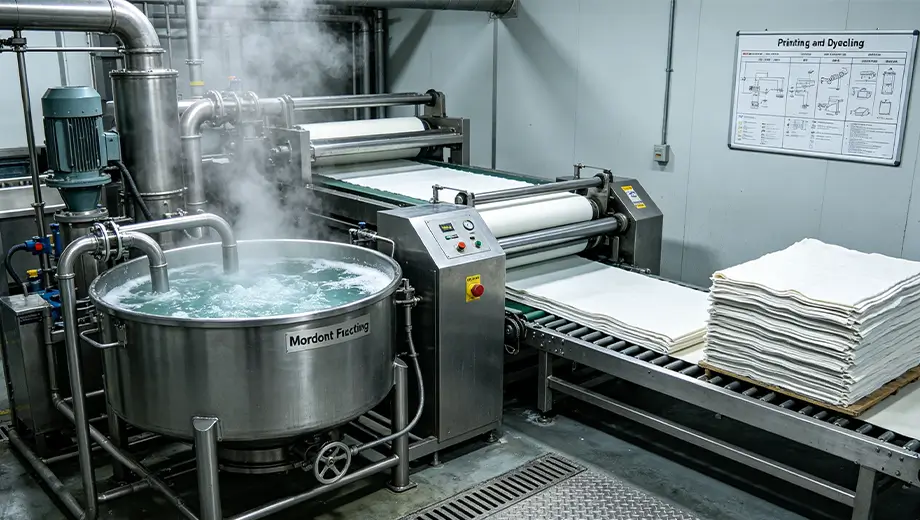
Beyond finished products, alum also plays a role in processing other herbal materials. Most notably, it is used in the traditional preparation of Pinellia (Ban Xia) and Arisaema (Tian Nan Xing), where alum-containing soaking baths modify the raw plant material before formulation. We cover that in detail in our dedicated article.
Traditional “Drying” vs Modern Chemistry
TCM uses the word “drying” in a functional, sensory sense. Modern chemistry describes the same behavior through dissolved aluminum species and protein interactions. The two frameworks are not identical; nevertheless, they are compatible. For international formulators, the practical takeaway is straightforward: alum delivers a predictable astringent effect, and performance should be measured in the finished product.
Quality Parameters That Matter
For topical and cosmetic use, buyers should specify:
- Chemical identity and purity
- Heavy-metal limits
- Moisture and insoluble matter
- Particle size (for powder products)
- Microbiological quality where required
- Batch-to-batch consistency and COA
FAQ
What does alum feel like on skin?
A temporary tightening or drying sensation — the classic astringent effect.
Is alum used in natural deodorants?
Yes. Mineral alum stones and powders are a well-known category of salt-based deodorants.
Can I buy cosmetic-grade alum?
Yes, but require a spec that meets the target market’s cosmetic regulation, not just industrial spec.
Disclaimer
Raw-material technical information only. Not medical advice. Formulators must comply with local cosmetics regulations.
Conclusion
Potassium alum’s astringent and drying character has made it useful across centuries of herbal practice and into modern mineral personal-care products. For B2B buyers, the opportunity is a specifiable, consistent ingredient — not a miracle cure.
Professional Water Treatment Chemical Supplier & One-Stop Industrial Solution Provider