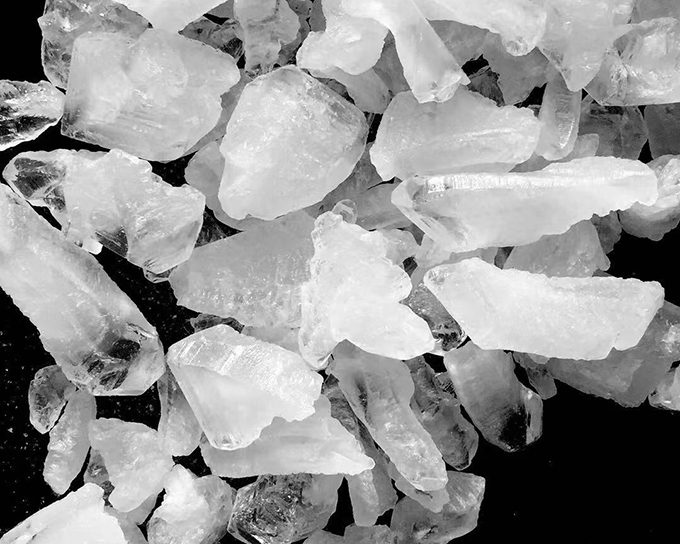
Potassium alum (KAl(SO₄)₂·12H₂O) is one of the oldest mineral ingredients still in everyday use. It is the active in alum blocks, crystal deodorants, and astringent after-shave products. Modern formulators value it for two functional traits: astringency and deodorizing support.
A Functional Mineral Ingredient, Not a Medicine
In cosmetic and personal-care products, alum plays a functional role. It is not a preservative, not a drug, and not a universal antimicrobial. Finished-product performance depends on the full formulation — pH, concentration, other ingredients, packaging, and shelf life.
Typical product categories include:
- Mineral deodorants and alum stones
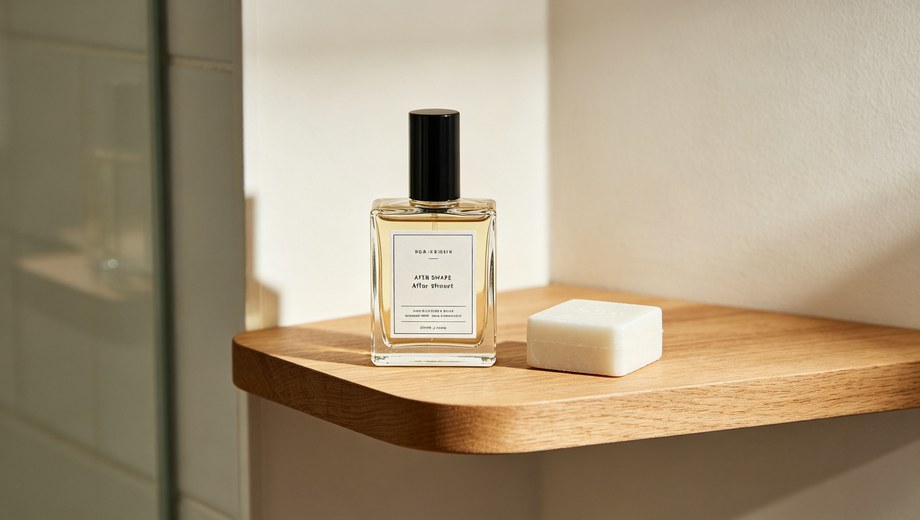
- After-shave splashes and lotions
- Astringent toners
- Traditional topical powders
- Personal-hygiene formulations
Why Alum Works in Deodorants
Alum’s astringent effect creates an unfavorable surface environment for odor-producing bacteria. Importantly, this is a functional sensory claim, not an antibiotic claim. It does not “kill germs” in the medical sense; it conditions the skin surface.
Finished deodorant performance, however, depends on the entire product. The alum grade, concentration, pH, and emollient system all matter.
Astringent Sensory Profile
When dissolved, alum delivers the familiar tightening sensation. That effect is what makes it popular in after-shave and toning products. The intensity scales with concentration, so formulators titrate to the desired sensory profile.
Quality for Cosmetic Use
Personal-care use demands tighter specs than industrial use. Buyers should evaluate:
- Chemical purity and identity
- Heavy-metal limits (per target-market cosmetics regulation)
- Moisture and insoluble matter
- Particle size and crystal form
- Microbiological quality where required
- COA and regulatory documentation
Formulation Best Practices
Before commercial production, run:
- Ingredient compatibility testing
- pH and stability studies
- Packaging compatibility
- Sensory panel
- Shelf-life testing
FAQ
Is alum the same as aluminum chlorohydrate?
No. Alum is a mineral sulfate salt; aluminum chlorohydrate is a different antiperspirant ingredient. They work differently.
Is alum safe in deodorant?
Alum has a long history of topical use. Nevertheless, follow the target market’s cosmetics regulation and buy cosmetic-grade material.
What does alum feel like?
A temporary, clean, dry tightening sensation on the skin.
Disclaimer
Raw-material and formulation technical information only. Not a medical claim. Comply with local cosmetics regulations.
Conclusion
Potassium alum remains a versatile mineral ingredient for astringent and deodorizing personal-care products. For formulators, the winning move is cosmetic-grade material, rigorous compatibility testing, and honest product claims.
Professional Water Treatment Chemical Supplier & One-Stop Industrial Solution Provider