Not all water pollutants behave the same way. Organic matter consumes oxygen; oil blocks light and gas exchange. Toxic pollutants are a different category: even at low concentrations, they can poison aquatic life, accumulate in food chains, and threaten human health.
For industrial dischargers, toxic pollutants are also the most heavily regulated. This guide introduces the main groups, where they come from, and how treatment plants address them.
What Are Toxic Pollutants?
Toxic pollutants are substances that cause acute or chronic harm to organisms — including humans — even at low doses. Unlike biodegradable organic matter, many of them do not break down easily. Some persist in the environment for years; others build up in fish and shellfish.
Regulators in the U.S. (under the Clean Water Act), the EU, and many other jurisdictions maintain lists of priority toxic pollutants. They typically fall into five groups.

The Main Groups of Toxic Pollutants
1. Heavy Metals
Common heavy-metal pollutants include:
- Lead (Pb), cadmium (Cd), mercury (Hg)
- Chromium (Cr), hexavalent chromium in particular
- Arsenic (As), nickel (Ni), copper (Cu), zinc (Zn)
- Selenium, silver, and others
Typical sources: mining and ore processing, electroplating, tanneries, battery manufacturing, metal finishing, and certain chemical plants.
2. Cyanide
Cyanide is used in gold and silver mining, electroplating, and heat-treatment shops. It is highly toxic even at very low concentrations and requires specialized destruction before discharge.
3. Phenols and Related Compounds
Phenols come from coking plants, oil refineries, coal conversion, and resin manufacturing. They cause taste and odor problems in drinking water and are toxic to fish.
4. Pesticides and Herbicides
Runoff from agriculture and discharges from pesticide manufacturing can carry organochlorine pesticides, organophosphates, triazines, and related compounds into surface water.
5. Persistent Organic Pollutants (POPs)
PCBs, dioxins, furans, and certain industrial chemicals resist natural breakdown. They bioaccumulate in the food chain and are regulated internationally under the Stockholm Convention.
A few additional toxic contaminants — ammonia in high concentrations, nitrite, and certain radionuclides — are often discussed alongside these groups, depending on local regulation.
Why Toxic Pollutants Are Different
Two features set toxic pollutants apart from ordinary organic pollution:
- Toxicity at low concentrations. Effects appear at micrograms-per-liter levels, not milligrams-per-liter. Sensitive fish, larvae, and invertebrates are affected well before human sensory thresholds.
- Persistence and bioaccumulation. Heavy metals and POPs are not “digested” by microbes. They settle into sediment, are taken up by organisms, and move up the food chain.
That is why standard biological treatment, which works well for BOD, is usually not enough for toxic loads.
Common Industrial Sources
- Mining and metallurgy — metals, acids, cyanide
- Electroplating and surface finishing — heavy metals, cyanide, acids
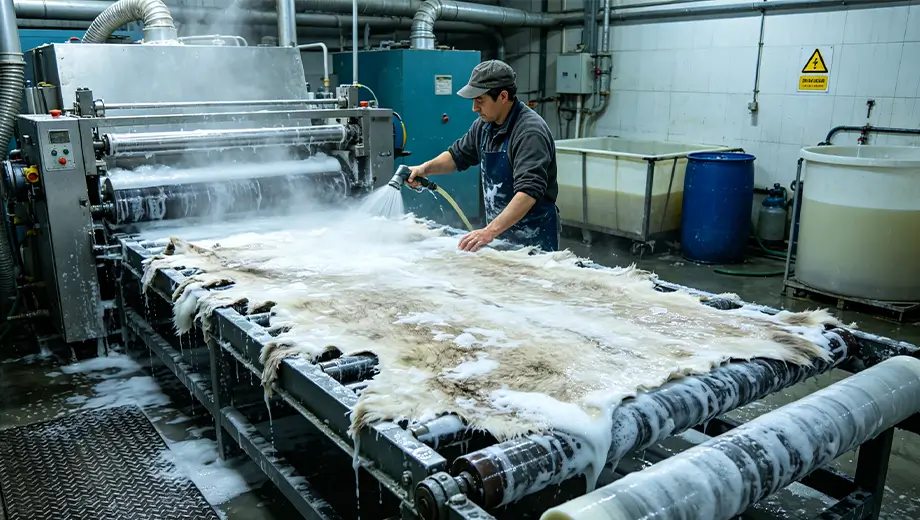
- Tanneries — chromium, sulfide
- Pulp and paper — chlorinated phenols, dioxins (historically)
- Chemical and pesticide plants — solvents, phenols, herbicides
- Battery manufacturing and recycling — lead, cadmium, acids
- Landfill leachate — mixed organic and inorganic toxicants
Because each source produces a different mix, treatment must be designed around the actual water analysis.
Treatment Options for Toxic Wastewater
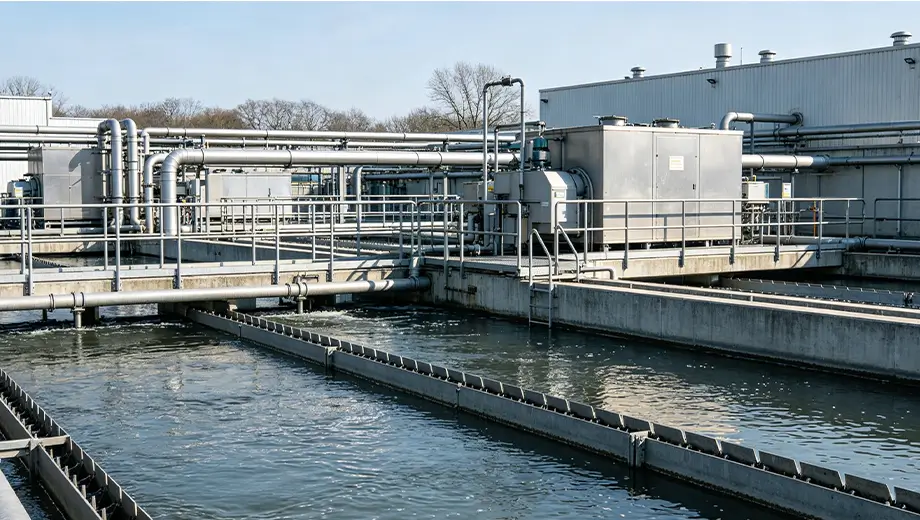
There is no single “magic” process. Most plants combine unit operations based on the target pollutant.
1. Chemical Precipitation
For dissolved heavy metals, pH adjustment with lime, caustic soda, or specialized precipitators converts soluble metal ions into insoluble hydroxides or sulfides that can settle out. This is the backbone of most metal-finishing wastewater treatment.
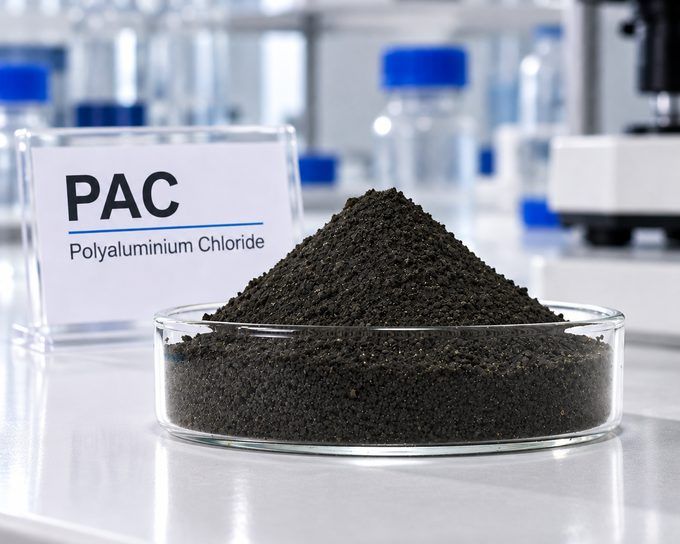
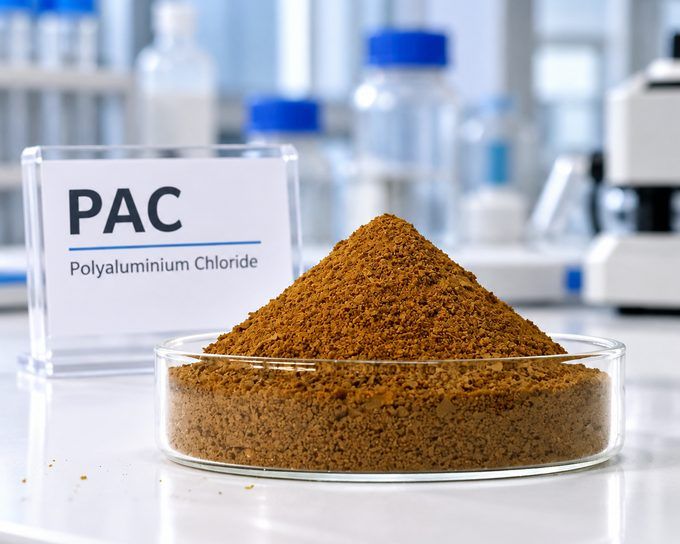
2. Coagulation and Flocculation with PAC and PAM

After precipitation, PAC (Poly Aluminium Chloride) and PAM (Polyacrylamide) remove the metal hydroxide flocs and any colloidal heavy-metal particles:
- PAC destabilizes precipitated solids and fine colloids.
- PAM bridges them into large flocs that settle quickly or are captured by DAF.
This stage also removes metals that are bound to suspended solids — often a large fraction of total metal load.
3. Activated Carbon Adsorption
Granular or powdered activated carbon removes residual phenols, pesticides, solvents, and certain refractory organics that biological treatment misses.
4. Ion Exchange and Reverse Osmosis
For polishing to very low limits (for reuse or sensitive receiving waters), ion exchange removes dissolved metals, and reverse osmosis handles dissolved salts and residual toxic compounds.
5. Specialized Destruction
Cyanide is typically destroyed by alkaline chlorination or the hydrogen-peroxide (Caro’s acid) process before any biological stage. POPs and some pesticides may need advanced oxidation (ozone, UV/H₂O₂) or activated carbon.
6. Biological Treatment — with Caution
Biological systems handle residual biodegradable load, but excessive toxic input kills the microbes. Toxic streams must be pretreated to remove or detoxify toxicants before they reach the aeration basin.
The Role of Jar Testing
Two wastewater streams can both be called “plating effluent” and still behave very differently. A jar test tells you:
- Whether precipitation chemistry needs pH adjustment first
- Which PAC grade best settles the metal hydroxide flocs
- Whether anionic or cationic PAM gives the strongest floc
- Dosages that avoid overdosing (which itself creates sludge and cost)
- How much residual metal remains after treatment
For toxic-wastewater projects, jar testing is not optional. It is the difference between meeting permit limits and shutting down a biological system.
Frequently Asked Questions
Are heavy metals removed by biological treatment? Usually not directly. They must be precipitated or adsorbed first; biology mainly handles the organic load.
Can PAC and PAM treat toxic wastewater alone? They are part of the solution — they remove precipitated metals and colloidal toxicants — but dissolved toxic metals need precipitation chemistry, and refractory organics may need activated carbon or advanced oxidation.
What makes a pollutant “toxic” vs. “conventional”? Toxic pollutants cause harm at very low concentrations, persist, or bioaccumulate. Conventional pollutants (like most BOD) mainly affect oxygen balance and are measured in mg/L.
Why is cyanide handled separately? Cyanide shuts down biological treatment systems and is acutely toxic. It must be destroyed chemically before any biological stage.
Conclusion
Toxic pollutants — heavy metals, cyanide, phenols, pesticides, and POPs — are the most strictly controlled category of industrial wastewater. They cannot be managed with biological treatment alone.
A reliable treatment scheme combines chemical precipitation, coagulation/flocculation with PAC and PAM, activated carbon, and, when required, ion exchange or advanced oxidation. Every design should begin with a full water analysis and a jar test on your actual sample.
Dealing with a toxic wastewater stream? https://www.kolinsc.com/about-us/
References:
US EPA Water Pollution Resources
WHO Water Quality Guidelines