Oil pollution is a common and often serious form of water contamination. It enters rivers, lakes, and coastal waters through oily wastewater from refineries, metalworking, vehicle maintenance, food processing, and many other industries.
When oil reaches the surface of a water body, it forms a thin film that blocks gas exchange. At the same time, microbes break down biodegradable oil components and consume dissolved oxygen. The combined effect can quickly stress fish, plants, and the whole aquatic ecosystem.
This guide walks through the main sources, environmental impacts, and a practical treatment train for oily wastewater.

What Counts as an Oil Pollutant?
Oil pollutants include petroleum-based products as well as animal and vegetable fats:
- Crude oil and petroleum hydrocarbons
- Gasoline and diesel residues
- Lubricating, hydraulic, and mineral oils
- Cutting fluids and machining oils
- Animal fats, vegetable oils, and grease
In wastewater, oil appears in three forms, and each needs a different removal approach:
- Free oil — larger droplets that float and can be skimmed or separated by gravity.
- Dispersed oil — small droplets suspended in the water column.
- Emulsified oil — very small, stable droplets that gravity alone cannot remove.
The form of oil present determines which treatment stages you need.
Major Sources of Oily Wastewater
Petroleum and Petrochemical Industry
Refineries, petrochemical plants, fuel terminals, and storage facilities generate wastewater loaded with hydrocarbons, oil and grease, and suspended solids. These streams often need multiple treatment stages.
Machinery and Metal Processing
Machining uses cutting fluids, lubricants, and hydraulic oils. Equipment washdown and floor cleaning send oil mixed with metal particles into drains.
Vehicle Maintenance and Car Washes
Garages, repair shops, and fleet operators produce wastewater containing engine oil, fuel, and grease. An oil-water separator is standard pretreatment here.
Food Processing
Oily wastewater is not only a petroleum issue. Slaughterhouses, dairies, snack-food plants, and cooking-oil users discharge vegetable oil, animal fat, protein, and grease.
Why Oil Pollution Harms Water Life
Oil films block oxygen transfer
A surface oil film cuts the contact between air and water, slowing natural re-aeration. Meanwhile, microbes consuming biodegradable oil draw down dissolved oxygen. The chain is straightforward:
Oil film → reduced oxygen exchange → microbial oxygen demand → lower dissolved oxygen
Effects on fish
Oil and grease can stick to gills and interfere with breathing. Fish eggs and larvae are especially sensitive; chronic exposure reduces survival and weakens future populations.
Effects on aquatic plants
The film reduces light penetration and blocks gas exchange, slowing photosynthesis. Plants decline, and the food web they support declines with them.
Effects on agriculture
Untreated oily wastewater used for irrigation coats soil particles, reduces aeration, and hinders root development. Treated reuse water must meet oil-and-grease limits before it touches crops.
Effects on marine ecosystems
In coastal waters, currents spread oil over wide areas, affecting fish, shellfish, plankton, and seabirds. Marine impacts are visible and long-lasting, which is why industrial discharge regulations on oil and grease are strict.
How Oily Wastewater Is Treated
A typical treatment train looks like this:
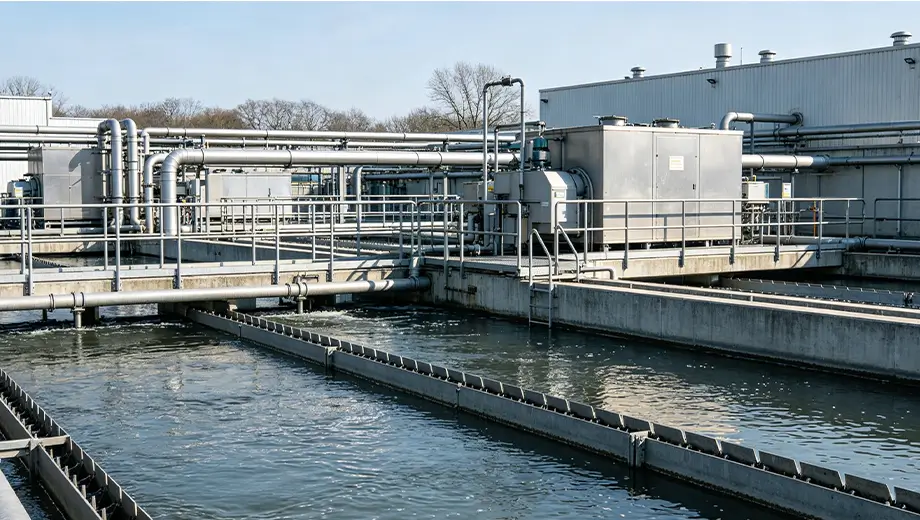
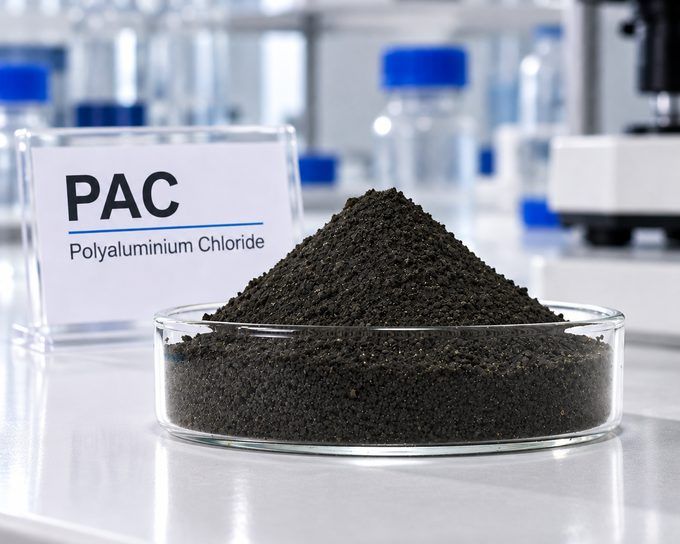
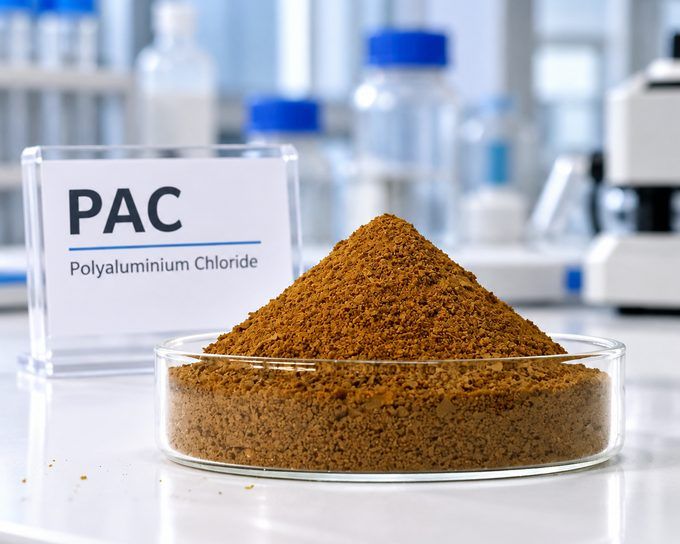
Oily wastewater → oil-water separation → PAC coagulation → PAM flocculation → DAF or sedimentation → biological treatment → polishing → discharge or reuse
1. Oil-Water Separation
Free oil is removed first by gravity separators, API-style separators, or skimmers. For dispersed oil and fine solids, Dissolved Air Flotation (DAF) is highly effective because micro-bubbles attach to oil droplets and float them to the surface.
Removing free oil early protects downstream pumps, biological systems, and chemical dosers.
2. Coagulation with PAC

3. Flocculation with PAM
A common sequence:
Oily wastewater → PAC dosing → rapid mix → PAM dosing → slow flocculation → DAF or sedimentation

4. Biological Treatment
Once oil and grease are reduced to acceptable levels, aerobic biological treatment handles residual biodegradable COD. Too much residual oil will coat microbes and crash the plant — so pretreatment must be done well first.
Why Jar Testing Matters
Wastewater from a metal shop looks nothing like wastewater from a refinery or a dairy. There is no universal PAC or PAM grade.
A jar test on a representative sample tells you:
- Which PAC grade works
- Optimal PAC dosage
- Which PAM grade (anionic / nonionic / cationic) fits
- Floc size, settleability, and floatability
- Effluent clarity after treatment
Running a jar test before full-scale dosing saves chemicals, avoids upsets, and makes discharge results predictable.
Frequently Asked Questions
Does PAC break down oil? No. PAC destabilizes emulsified and colloidal oil droplets so they can be removed by flotation or sedimentation. It does not chemically “digest” hydrocarbons.
What is the difference between free oil and emulsified oil? Free oil floats and can be skimmed. Emulsified oil consists of tiny stable droplets held in suspension by surfactants; it needs coagulants like PAC to break the emulsion.
Why is DAF used in oily wastewater? DAF floats fine oil droplets and light flocs that would not settle quickly. It is especially effective after coagulation/flocculation.
Can food-processing oily wastewater use the same treatment as refinery wastewater? The unit operations overlap (separation, coagulation, flocculation, biology), but chemistry and dosages differ because vegetable oils and animal fats behave differently from mineral hydrocarbons. Always run a jar test.
Conclusion
Oil pollutants reach water from refineries, machine shops, garages, and food plants. On the surface, they block oxygen exchange; in the water column, microbes consume the oxygen needed by fish. A well-designed system combines physical separation, DAF, PAC coagulation, PAM flocculation, and biological polishing.
Choose your PAC and PAM based on a jar test, not on what worked for a neighbor. Done right, oily wastewater treatment meets discharge limits, protects receiving waters, and lowers chemical cost over time.
Need help selecting PAC/PAM for an oily wastewater stream? Send us a water sample or request a jar-test protocol →
References:
US EPA Water Pollution Resources
WHO Water Quality Guidelines