The condition of a potassium alum shipment depends on the product, packaging, loading environment and handling history. A long voyage does not automatically make the material unsuitable, while a short one can still cause problems if water enters the cargo or packaging fails.
Potassium alum shipping and storage should therefore be planned around measurable arrival requirements. An unsupported promise that powder or crystals remain suitable for a fixed number of ocean-transit days provides less protection than a clear packaging and inspection plan.
Before packing distinguish crystallization water from free water
Potassium alum dodecahydrate contains water within its crystal structure. That is different from liquid water on particles or moisture entering a package. A drying test may affect these quantities differently, so any moisture requirement needs a defined method.
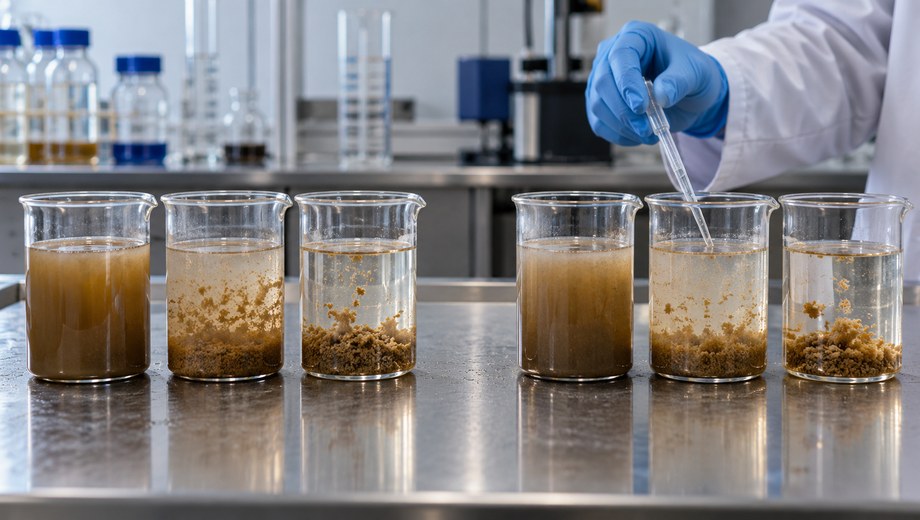
Contact with water can partly dissolve particle surfaces. Subsequent evaporation or cooling can promote recrystallization and bridges between pieces. Pressure and fines may also contribute to agglomeration. Consequently, caking does not automatically establish chemical decomposition.
It can still be commercially important. A customer preparing a solution manually may tolerate a condition that is unacceptable for a calibrated powder feeder. Define the physical requirement before shipment.
Select packaging as a complete system
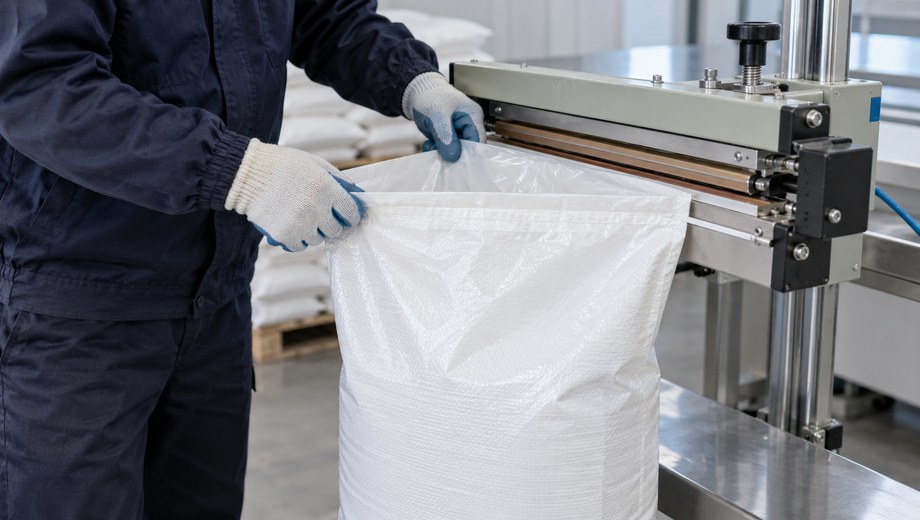
A woven outer bag provides mechanical containment but is not automatically a complete water-vapor barrier. Where a liner is required, its material, seals, puncture resistance and closure all matter. Film thickness alone does not describe the finished package’s protection.
For larger bulk bags, verify the load rating, filling and discharge arrangement and any liner specification. Match stacking and handling to the package design. Additional layers are useful only where they improve the actual protection without trapping unsuitable moisture or creating handling problems.
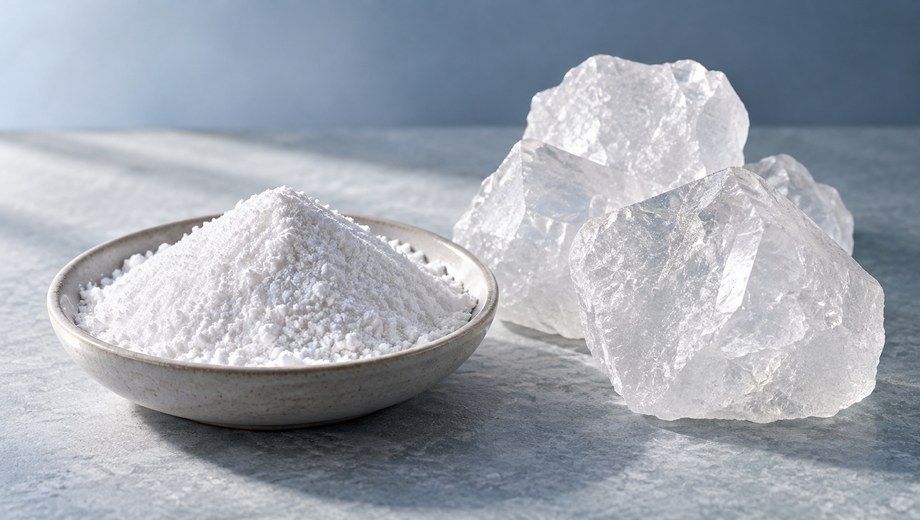
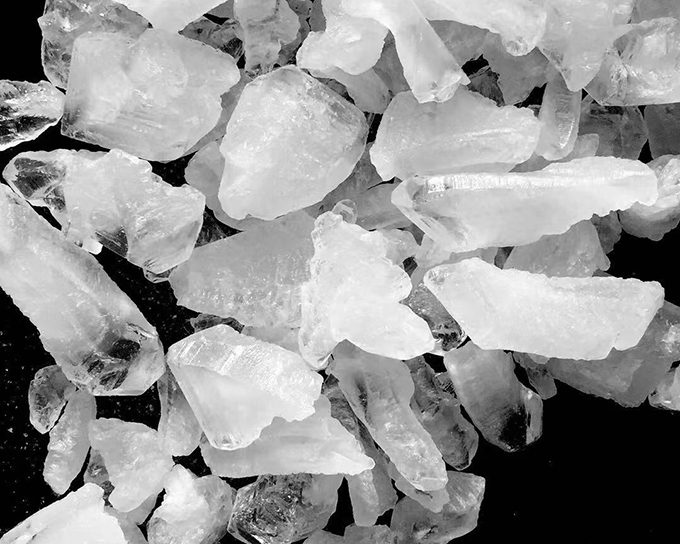
Crystals and powder can both be shipped internationally. Larger pieces may break and produce fines, while powder may lose flowability through agglomeration. Choose the package against the required condition of the offered form.
Inspect the container and loading materials
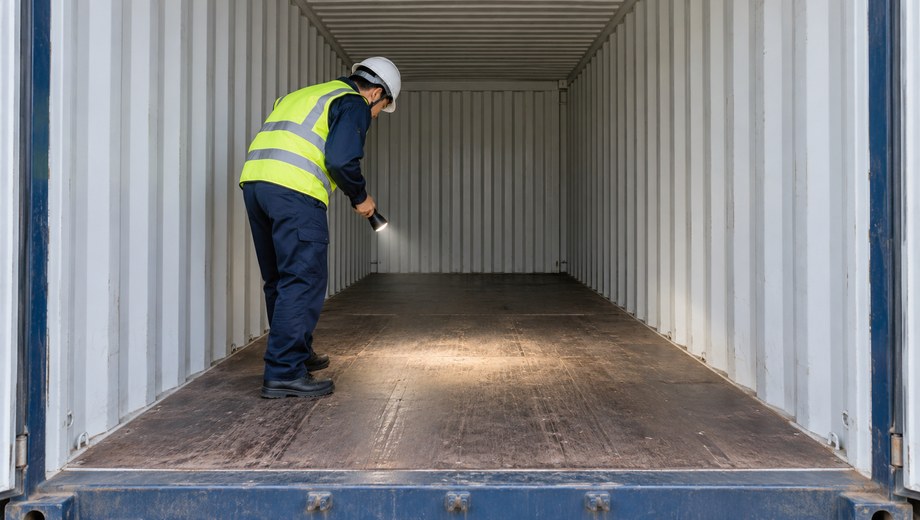
Use a clean, dry and suitable cargo unit. Check roof, walls, doors, floor and visible contamination before loading. Wet floors, damaged seals or damp supporting materials can introduce a problem before the voyage begins.
Pallets, dunnage and protective materials also need attention. Moisture in timber can contribute to the atmosphere inside a closed container. Meanwhile, cargo-securing arrangements must remain mechanically suitable; moisture protection should not create unstable stacking.
IMO provides container transport guidance and access to the CTU Code. This is a general packing and transport resource, not a potassium alum shelf-life specification.
Manage condensation through the loading plan
Condensation occurs when a surface is below the surrounding air’s dew point. Moisture may collect on container walls or roof and reach the packages. Cold cargo exposed to warm, humid air during unloading can also develop surface condensation.
These mechanisms are different from water entering through a leaking door or roof, so record the evidence before assigning a cause. Staining, location and the pattern of affected bags may help the investigation.
Container desiccants can be a supplementary measure when appropriately selected and secured. They do not replace dry loading and effective packaging. Their arrangement must also prevent leakage or absorbed liquid from contaminating the cargo.
Routine ventilation during a voyage is not a practical moisture-control plan for a standard sealed freight container. Cargo-hold ventilation is a different operation and should follow the responsible vessel procedures, not a generic humidity threshold from a chemical article.
Record the condition when the doors close
Retain product lots, package configuration, loading date, container and seal identification, and useful photographs. Include inspection observations and any special agreed measures. In addition, document departures from the normal packing procedure.
A data logger can be useful on some routes, but atmospheric humidity does not directly measure product moisture or purity. Interpret its record with the package condition and sample results rather than using it as a standalone quality decision.
Inspect arrival before disturbing the evidence
Check tears, failed closures, water staining, contamination and damaged support materials. Where a problem is suspected, photograph the condition and identify affected lots before substantial repacking or processing.
Then assess the physical issue against the agreed requirement. Record whether agglomerates are localized or widespread, whether they are easily separated, and how they affect unloading or feeding. A simple statement that the shipment is lumpy may be too vague to resolve the problem.
| Arrival finding | Useful next assessment |
| Intact packages with normal material | Routine identity and acceptance checks |
| Caking without visible contamination | Extent, handling effect and preparation comparison |
| Wet packages or staining | Water-exposure investigation and representative sampling |
| Foreign material or major damage | Isolate affected material and assess suitability |
Test before assuming reprocessing restores quality
Breaking up cakes can change particle-size distribution and does not remove contamination. If water exposure is suspected, compare the relevant assay basis, insoluble matter and other required properties. Add application or preparation checks where necessary.
Samples need to represent the affected and unaffected material appropriately. Agree methods and interpretation with the supplier or inspection laboratory before relying on a disputed result.
Once accepted, store the material under the product’s documented conditions, keep packaging intact and rotate inventory. Inspect opened or long-stored stock according to its exposure and intended use rather than an arbitrary universal interval.
Make the agreement specific before the order
State the package, liner and closure, required net weight, physical acceptance criteria and inspection procedure. Establish how a discrepancy will be documented and investigated. Keep any shelf-life statement tied to its stated conditions.
Transport classification, handling requirements and insurance depend on the actual product, route and applicable documents. Do not infer complete insurance coverage or one transport status from the generic chemical name alone.
Technical note: These principles do not guarantee a voyage duration, moisture barrier or arrival condition. Use the supplied product’s SDS, agreed packaging and shipment-specific requirements for the actual movement.
Connect with KolinSC
Follow our company for product updates, water treatment knowledge and industry insights.