Potassium alum contains potassium ions, while ammonium alum contains ammonium ions. Both are aluminum double sulfates, but they are different compounds. Therefore, a potassium alum vs ammonium alum comparison should begin with the specified chemical identity and intended use.
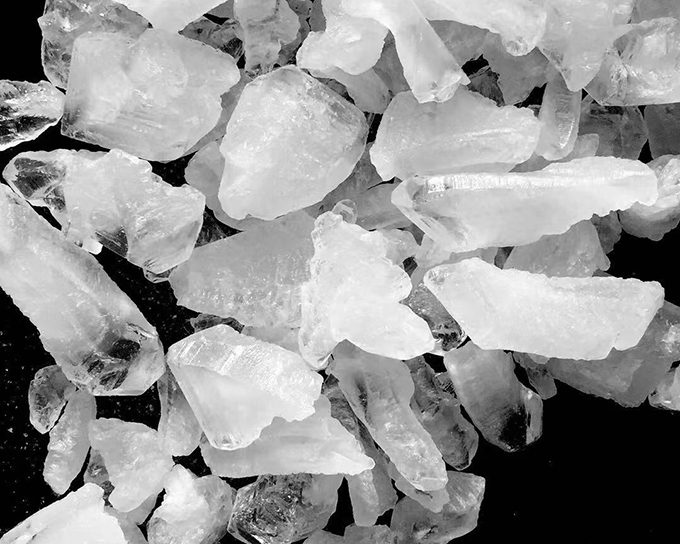
Similar-looking white powders or transparent crystals can be difficult to distinguish visually. The answers below help buyers confirm the required material before accepting a quotation or considering a substitute.


What is the chemical difference
The common dodecahydrate formula for potassium alum is KAl(SO₄)₂·12H₂O. For ammonium alum, it is NH₄Al(SO₄)₂·12H₂O. The monovalent cation changes from potassium to ammonium, while both named compounds contain aluminum, sulfate and crystallization water.
This difference is part of the chemical identity. It is not simply a difference in particle size, brand or commercial quality level.
For reference, compare the PubChem potassium alum record with the PubChem ammonium alum record. Confirm the hydrate form in the supplied product documents as well.
| Identity detail | Potassium alum | Ammonium alum |
| Common full name | Potassium aluminum sulfate dodecahydrate | Ammonium aluminum sulfate dodecahydrate |
| Formula | KAl(SO₄)₂·12H₂O | NH₄Al(SO₄)₂·12H₂O |
| Monovalent cation | Potassium, K⁺ | Ammonium, NH₄⁺ |
| Visual identification | Appearance alone is insufficient | Appearance alone is insufficient |
| Purchasing basis | Application and agreed specification | Application and agreed specification |
Can one product replace the other
A substitution requires technical review. Although the compounds are related, replacing one changes the ions introduced into the process. It may also conflict with a formulation, customer specification or application requirement.
For example, an ammonium-sensitive process cannot treat ammonium alum as an equivalent source without assessing that additional component. Similarly, a specification that explicitly names potassium alum should not be fulfilled with ammonium alum simply because the appearance is similar.
Where substitution is technically possible, evaluate performance, impurities and acceptance requirements before changing the purchase order. Use the actual supplied grades in that assessment.
Does ammonium alum mean lower quality
No. The compound name describes identity, not a universal quality ranking. A batch of either material can meet or fail its own agreed specification.
Quality comparisons should therefore examine assay, relevant impurities, physical form and consistency within the required product type. A lower price or a clearer crystal does not establish that one chemical is superior for every application.
Should solubility decide the purchase
Dissolution behavior can be relevant, but it should be measured under the conditions of use. Temperature, particle size, concentration and mixing affect preparation. Consequently, broad statements about which alum is “more soluble” may not describe the buyer’s actual operating conditions.
If preparation speed matters, request representative samples and compare them using the same documented method. Also distinguish the time needed to dissolve from the final solubility limit at a given temperature.
What should appear on the COA
The COA should name the exact compound and grade, identify the batch and report the tests required by the purchase specification. It should also make the units and assay basis clear.
For an impurity requirement such as ammonium in potassium alum, specify the method and limit rather than asking whether the product contains “zero ammonium.” A result below the reporting limit is not proof of absolute absence. In addition, keep the SDS available for the safety and handling information of the actual product.
How do powder and block forms affect this comparison
Both chemicals may be offered in different physical forms. However, form does not change which compound is being supplied. A block of ammonium alum remains ammonium alum; grinding it does not turn it into potassium alum.
Specify chemical identity first, then define particle size or block dimensions. This order prevents a visually convincing sample from obscuring a chemical mismatch.
What is the clearest way to request a quotation
Use the full name and formula, followed by grade, physical form and the attached specification. Add the required quantity, packaging, destination and delivery terms. If the original customer request says only “alum,” clarify it before sourcing.
KolinSC supplies potassium alum and ammonium alum. Send the exact chemical requirement so the discussion can focus on the appropriate product information and available form.
Professional Water Treatment Chemical Supplier & One-Stop Industrial Solution Provider