Introduction
Clean water is the foundation of human health, industrial manufacturing, agricultural production, and balanced aquatic ecosystems. Water pollutants However, rapid industrialization, expanding urban areas, intensive farming, and population growth continuously discharge diverse pollutants into rivers, lakes, groundwater, and coastal marine waters.
Water pollution rarely comes from one single contaminant. Real‑world polluted water often carries suspended solids, organic compounds, excess nutrients, heavy metals, pathogenic microorganisms, oil, synthetic chemicals, dissolved salts, and modern emerging contaminants. Every pollutant group has unique physical and chemical properties, requiring targeted wastewater‑handling strategies.
Understanding major water pollutants and their potential hazards is the critical first step to select suitable water‑treatment workflows and chemical additives.

What Are Water Pollutants?
Water pollutants are substances or living microorganisms that degrade water quality, threaten human health, damage aquatic habitats, or make water unfit for domestic, agricultural, and industrial applications.
These contaminants enter water bodies through multiple human‑driven pathways: industrial wastewater discharge, municipal sewage, agricultural surface runoff, mining operations, oil & chemical manufacturing, urban stormwater, and landfill leachate. Certain pollutants also appear naturally in the environment, such as arsenic, fluoride, and mineral impurities found inside groundwater aquifers.
From a practical water‑treatment perspective, pollutants fall into these core categories:
- Suspended solids and turbidity
- Organic pollutants (high COD / BOD)
- Nutrients: nitrogen and phosphorus
- Heavy metals and inorganic toxic contaminants
- Pathogens and harmful microorganisms
- Oil and grease
- Dissolved salts and total dissolved solids (TDS)
- Emerging contaminants
In most real‑world scenarios, multiple pollutant types co‑occur. For instance, one batch of industrial wastewater may simultaneously contain suspended particles, dissolved organic matter, heavy‑metal ions, oil residues, and abnormal pH values. This is why modern wastewater treatment commonly combines physical, chemical, and biological processes to achieve qualified effluent.
1. Suspended Solids and Turbidity
Suspended solids represent one of the most visible forms of water pollution. This fraction consists of insoluble materials: soil grains, clay, fine silt, plant and animal organic debris, microbial cells, and fine industrial particulate waste.
High levels of suspended solids raise turbidity and lower water transparency. Excess settled sediment blocks sunlight penetration, destroys fish spawning grounds, disrupts the survival of aquatic species, and acts as transport carriers for other adsorbed toxic pollutants throughout the whole water system.
Suspended solids are a major treatment challenge across many industries: mining, textile manufacturing, food processing, paper‑making, ceramics production, and construction‑related wastewater.
How to treat suspended solids
Coagulation and flocculation are industry‑standard technologies for removing suspended particles.
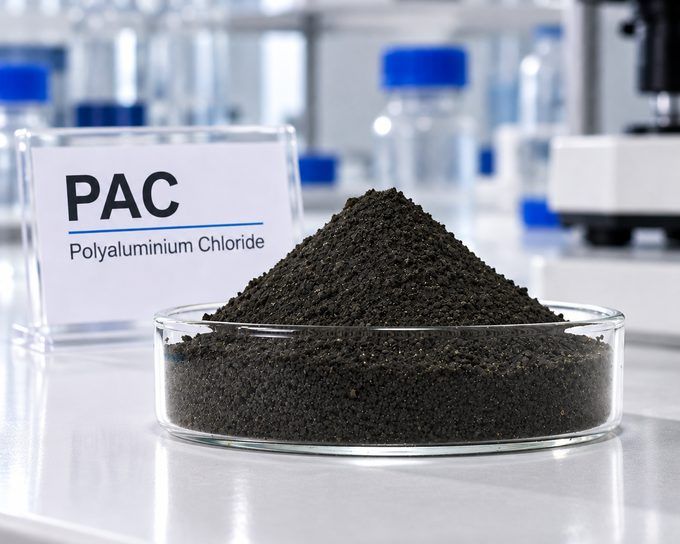
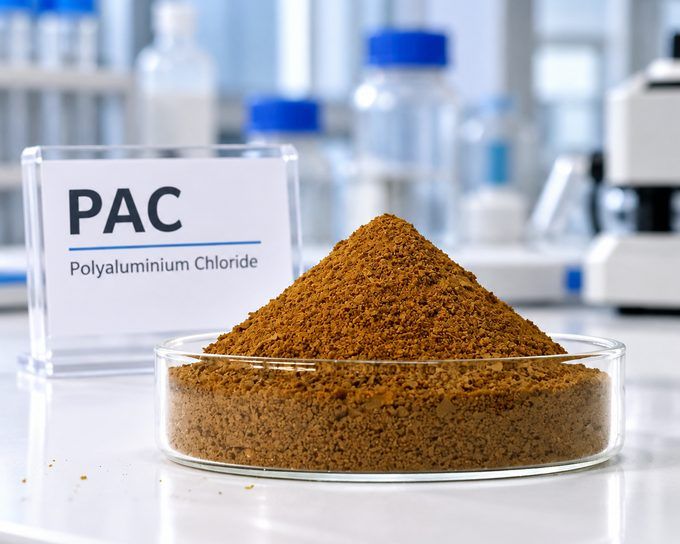
- PAC (Poly Aluminium Chloride), a widely‑used coagulant, neutralizes surface electrical charges of tiny particles and destabilizes colloidal suspensions.
- PAM (Polyacrylamide), acting as a flocculant, binds small destabilized particles together into large, robust floc aggregates.
The formed flocs can then be separated from water via sedimentation, dissolved‑air flotation, or filtration.
Optimal PAC and PAM product selection and dosing rates always depend on wastewater properties: baseline turbidity, pH value, suspended‑solid concentration, water temperature, and particle surface characteristics. Lab jar tests are highly recommended before full‑scale plant operation.
2. Organic Pollutants: High COD and BOD
Organic pollutants make up another dominant class of water contaminants. Key pollution sources include municipal domestic sewage, food‑processing factories, pharmaceutical production, petrochemical plants, textile mills, and pulp‑and‑paper facilities.
Two core analytical metrics quantify organic loading in wastewater: Chemical Oxygen Demand (COD) and Biochemical Oxygen Demand (BOD).
When large volumes of biodegradable organic material flow into natural water bodies, native aquatic microorganisms consume dissolved oxygen to decompose these organics. Severe oxygen depletion will kill fish and other oxygen‑dependent aquatic organisms.
Typical organic pollutants found in wastewater:
- Food and agricultural organic residues
- Crude oil and petroleum‑derived products
- Industrial dyes and pigments
- Organic solvents
- Phenolic compounds
- Agricultural pesticide residues
- Pharmaceutical active residuals
- Synthetic surfactants
Available treatment approaches include biological degradation processes, coagulation‑flocculation, activated‑carbon adsorption, chemical oxidation, membrane filtration, and advanced oxidation processes (AOPs).
For wastewater loaded with high suspended solids or colloidal organic substances, coagulation and flocculation serve as essential pre‑treatment before biological or advanced polishing stages.
3. Nutrient Pollution: Nitrogen and Phosphorus
Nitrogen and phosphorus are essential nutrients supporting plant growth. Nevertheless, excessive concentrations severely destabilize freshwater and coastal aquatic ecosystems.
Major nutrient pollution sources: synthetic agricultural fertilizers, livestock manure, household domestic sewage, industrial effluent, and urban stormwater runoff.
Excess nitrogen and phosphorus trigger explosive overgrowth of algae and cyanobacteria (blue‑green algae). This well‑known process is called eutrophication. Algal blooms degrade overall water quality and deplete dissolved oxygen. In extreme cases, total oxygen loss creates ecological dead zones and causes large‑scale fish die‑offs. Some harmful algal blooms also release natural biotoxins that endanger human and animal health.
Common nitrogen‑based water pollutants:
- Ammonia
- Nitrite
- Nitrate
- Organic‑bound nitrogen
Phosphorus exists mainly as inorganic phosphate salts and organic phosphorus compounds.
Nutrient removal technologies include biological nitrogen‑phosphorus removal systems, chemical precipitation, adsorption media, membrane filtration, or hybrid combined technical solutions.
4. Heavy Metals and Inorganic Toxic Contaminants
Heavy metals draw special attention in water‑quality management. Most heavy‑metal contaminants are acutely or chronically toxic, environmentally persistent, and cannot break down through natural biological pathways.
Frequently‑detected toxic heavy metals in polluted water:
- Lead (Pb)
- Mercury (Hg)
- Cadmium (Cd)
- Chromium (Cr)
- Arsenic (As)
- Copper (Cu)
- Nickel (Ni)
- Zinc (Zn)
Pollution origins cover mining operations, metal‑refining workshops, electroplating production, battery manufacturing, electronics fabrication, chemical industry facilities, petroleum‑related industries, and leaching from contaminated soil and groundwater.
Human exposure to heavy metals via contaminated drinking water or aquatic food chains can trigger both short‑term acute poisoning and long‑term chronic health damage. Harm targets major human organs: liver, kidneys, the central nervous system, plus multiple internal biological systems.
Unlike biodegradable organic waste, heavy metals cannot be destroyed by biological treatment. Treatment goals focus on physical‑chemical separation: precipitation, immobilization, adsorption, ion exchange, or membrane‑based separation to extract metal ions out of the water phase.
Applicable heavy‑metal treatment technologies:
- Chemical precipitation
- Coagulation and flocculation
- Adsorption with functionalized media
- Ion‑exchange resin systems
- Pressure‑driven membrane filtration
- Electrochemical water‑treatment processes
PAC can be integrated within coagulation workflows for certain heavy‑metal removal projects. Specialized targeted chemical reagents are required for some heavy‑metal‑specific treatment scenarios.

5. Pathogens and Harmful Microorganisms
Pathogenic microorganisms represent a critical safety concern for drinking‑water supplies and municipal sewage streams.
This category includes disease‑causing bacteria, viruses, and protozoa. Pollution sources are household sewage, livestock animal waste, agricultural runoff, leaking on‑site septic tanks, and incompletely treated wastewater effluent.
Per World Health Organization data, faecal‑origin microbial contamination ranks among the top safety risks for drinking‑water globally. Waterborne pathogens transmit serious illnesses: diarrhoea, cholera, dysentery, typhoid fever, Hepatitis A, and poliomyelitis.
Common microbial disinfection and removal technologies:
- Chlorination
- Chloramine disinfection
- Ultraviolet (UV) disinfection
- Ozonation
- Sterilizing membrane filtration
Coagulation plus filtration can physically strip micro‑organisms attached to suspended solid particles. However, dedicated disinfection steps remain mandatory whenever microbial safety is a core performance requirement.
6. Oil and Grease Contamination
Oil and grease pollutants are widespread waste constituents from petroleum refining, machinery manufacturing, automotive workshops, commercial restaurants, food‑processing factories, and diversified industrial sites.
Floating oil forms an impermeable surface layer on water, hindering gas‑phase oxygen transfer into the water column. Oil fractions may also adsorb onto bottom sediment, generating long‑term toxic stress for benthic aquatic life.
Treatment solutions vary according to oil type and contamination concentration:
- Gravity‑driven oil‑water separation
- Dissolved‑air flotation (DAF)
- Coagulation and flocculation
- Adsorption treatment
- Biological oil‑degradation processes
- Membrane filtration
Chemically‑assisted coagulation delivers particularly strong performance for emulsified oil waste. Stable tiny emulsified oil droplets cannot be separated effectively through simple gravity settling alone.
7. Salts and Total Dissolved Solids (TDS)
High concentrations of dissolved mineral salts and elevated Total Dissolved Solids (TDS) degrade water quality and restrict water usability for drinking supply, crop irrigation, and industrial process water.
Pollution sources: industrial wastewater, mining brines, oil‑gas production flowback water, chemical manufacturing, agricultural drainage water, winter road de‑icing salts, and seawater intrusion into coastal freshwater aquifers.
Excessive salinity poisons native freshwater aquatic ecosystems. Inside industrial circulating‑water systems, high dissolved‑salt levels trigger mineral scaling, metal corrosion, and repeated operational breakdowns.
Conventional coagulation‑flocculation alone cannot effectively separate dissolved ionic salts. Suitable technical selections include reverse osmosis (RO), nanofiltration, ion‑exchange, electrodialysis, or thermal evaporation systems, chosen according to project‑specific requirements.
8. Emerging Contaminants in Modern Wastewater
Global water pollution profiles grow increasingly complex. Beyond well‑documented traditional pollutants, modern wastewater streams contain emerging contaminants: pharmaceutical residues, personal‑care‑product chemicals, PFAS “forever chemicals”, microplastics, plus other persistent synthetic compounds.
These contaminants often appear at trace‑level concentrations. Unfortunately, standard conventional wastewater‑treatment plants are frequently not designed to capture these substances efficiently. The industry is shifting toward advanced treatment solutions: advanced oxidation processes, granular activated carbon adsorption, high‑performance membrane systems, and custom‑targeted adsorbent materials.
For municipal and industrial water‑treatment facilities, future‑proof treatment plant design needs to combine conventional primary‑secondary workflows with advanced polishing treatment stages.
How Water‑Treatment Chemicals Remove Pollutants
No single chemical product can eliminate every category of water pollutant. Successful wastewater‑treatment design starts with accurate identification of dominant contaminants, followed by matching appropriate process workflows.
Coagulation and flocculation are the go‑to workhorse technologies targeting suspended solids, colloidal particles, water colour, and portions of dissolved organic matter.

PAC (Poly Aluminium Chloride)
PAC is a versatile inorganic coagulant broadly adopted across drinking‑water and wastewater‑treatment fields. Its core function is destabilizing colloidal particles and promoting initial micro‑floc formation.
Typical PAC application scenarios:
- Drinking‑water purification
- Municipal sewage treatment plants
- Diverse industrial wastewater treatment
- Pulp & paper mill effluent
- Textile wastewater clarification
- Mining‑site wastewater
- Food‑processing plant wastewater
- Raw surface‑water clarification
PAM (Polyacrylamide)
PAM functions as a high‑performance flocculant and coagulation‑aid agent. It bridges fine micro‑particles to build large, settle‑ready flocs, improving sedimentation efficiency, flotation performance, and sludge dewatering outcomes.
Multiple ionic variants of PAM exist: anionic PAM, cationic PAM, and non‑ionic PAM. Engineers select grades strictly based on wastewater chemistry and treatment objectives.
PAC plus PAM are very often deployed together because their roles complement each other perfectly: PAC breaks particle colloidal stability; PAM aggregates destabilized micro‑flocs into large, dense, fast‑settling floc masses.
Why Accurate Pollutant Identification Is Critical
Troubleshooting and chemical dosing decisions cannot rely only on visual observation of wastewater appearance.
Two separate wastewater streams can look equally cloudy, yet possess totally different chemical profiles. One sample may contain mostly clay‑based suspended solids, while another cloudy effluent carries emulsified oil, dissolved organics, heavy‑metal ions, or heavy loads of dissolved solids.
Key lab analytical parameters for wastewater characterization:
- pH value
- Turbidity
- Total Suspended Solids (TSS)
- Chemical Oxygen Demand (COD)
- Biochemical Oxygen Demand (BOD)
- Total Organic Carbon (TOC)
- Ammonia‑nitrogen
- Total Nitrogen
- Total Phosphorus
- Dissolved heavy‑metal concentrations
- Oil & grease content
- Total Dissolved Solids (TDS)
- Electrical conductivity
- Water colour
Lab‑scale jar testing is strongly advised before finalizing PAC or PAM dosing rates for full‑scale installations. Proper bench testing optimizes chemical consumption, improves floc quality, reduces excess sludge output, and lowers overall long‑term wastewater‑treatment operating costs.
Conclusion
Water pollution represents a multifaceted global environmental challenge, driven by a wide spectrum of distinct contaminants. Suspended solids, organic pollutants, nutrient overload, heavy metals, pathogenic microbes, oil‑grease waste, dissolved salts, and modern emerging contaminants all negatively impact drinking‑water safety, human health, industrial reliability, and natural aquatic ecosystems.
Effective water treatment depends on a systematic workflow: characterize pollutant composition, understand contaminant hazards and chemical behaviours, select matched technical processes, and fine‑tune chemical dosages through laboratory testing.
Coagulants such as PAC and flocculants such as PAM occupy irreplaceable positions inside conventional municipal and industrial water‑treatment systems. When correctly specified and properly applied, these chemicals enhance clarification performance, boost solid‑liquid separation efficiency, optimize sludge dewatering, and raise overall wastewater‑treatment plant performance.
For water‑treatment plant operators, industrial wastewater facility managers, environmental engineering firms, and water‑treatment‑chemical distributors, building deep understanding of pollutant types, hazards, and corresponding treatment pathways is essential to design dependable, cost‑competitive water‑treatment solutions.
Global demand for clean freshwater keeps rising year‑over‑year. Efficient contaminant removal will remain a core pillar for sustainable water‑resource management and worldwide environmental protection.