Organic pollution is one of the most common forms of water contamination in rivers, lakes, and municipal wastewater systems. When a water body carries high levels of organic matter, engineers usually see it in two numbers: Chemical Oxygen Demand (COD) and Biochemical Oxygen Demand (BOD).
Organic pollutants enter water from domestic sewage, food processing, industrial wastewater, agricultural runoff, and other human activities. Once they are in the water, they change its composition and, above all, they put pressure on dissolved oxygen.
This guide explains what organic pollutants are, where they come from, how they affect aquatic ecosystems, and how wastewater treatment plants reduce the organic load before discharge.
What Are Organic Pollutants?
Organic pollutants are carbon-based compounds that enter water and degrade its quality. They include both naturally occurring material and biodegradable synthetic substances.
Common examples include:
- Carbohydrates, proteins, amino acids, fats, and oils
- Plant and animal residues, food-processing waste
- Organic matter in domestic sewage
- Biodegradable chemicals in industrial wastewater
Many organic pollutants are biodegradable, which means microorganisms can break them down. Biodegradable does not automatically mean harmless. When a large pulse of biodegradable matter enters a river or lake in a short time, microbes decompose it rapidly and consume dissolved oxygen. If the oxygen drops too far, fish and other aquatic life cannot survive.
That is why wastewater teams track both COD and BOD.

COD and BOD: Two Key Indicators
Chemical Oxygen Demand (COD)
COD measures the amount of oxygen required to chemically oxidize all oxidizable material in water. A high COD reading usually means the water carries a high load of oxygen-consuming substances.
COD is widely used in industrial wastewater monitoring because it gives a fast snapshot of total pollution load. High COD is commonly associated with:
- Food and beverage processing
- Pulp and paper production
- Textile and dyeing operations
- Pharmaceutical and chemical manufacturing
- Agricultural processing and municipal wastewater
Biochemical Oxygen Demand (BOD)
BOD measures the oxygen that microorganisms need to biologically degrade organic matter under controlled conditions. It is especially useful for estimating how biodegradable pollution will behave once it reaches a river or lake.
High BOD directly translates to high dissolved-oxygen demand. Both COD and BOD are standard parameters for judging wastewater strength, treatment performance, and the environmental risk of discharge.
Main Sources of Organic Pollution
1. Domestic Sewage
Domestic wastewater is one of the largest sources of biodegradable organic matter. Typical components include food scraps, human waste, proteins, carbohydrates, fats, and detergent-related organics. Without collection and treatment, these flow straight into receiving waters and push COD and BOD upward.
2. Industrial Wastewater
Food-processing effluent often carries proteins, sugars, and fats. Chemical, textile, and pharmaceutical plants discharge a much wider range of organic compounds. Treatment requirements vary sharply by industry, so a process that works for one factory may fail at another.
3. Agricultural and Biological Sources
Manure, crop residues, and decaying vegetation also wash into streams. In small amounts, natural ecosystems handle this load. Problems begin when the inflow exceeds what the water body can process.
The Self-Purification Balance
Rivers and lakes have a natural self-purification capacity. Microorganisms break down biodegradable organics, and atmospheric re-aeration replenishes dissolved oxygen. As long as oxygen consumption stays below oxygen replenishment, the system stays balanced.
The chain looks like this:
Organic matter enters water → microorganisms decompose it → dissolved oxygen is consumed → oxygen re-enters from the air
When the organic load stays within this balance, a water body can recover on its own.
When the Load Exceeds Capacity
When too much organic matter enters a water body too fast, microbes consume oxygen faster than it can be replenished. Dissolved oxygen falls. Typical consequences include:
- Stress on fish and other aquatic organisms
- Loss of sensitive species
- Shift from aerobic to anaerobic conditions
- Unpleasant odors, dark and turbid water
- Disruption of the whole food web
As a practical reference point often cited in environmental engineering: when dissolved oxygen stays below roughly 4–5 mg/L for a sustained period, many common fish species can no longer survive comfortably. If oxygen disappears entirely, decomposition turns anaerobic.
Anaerobic Decomposition
With no oxygen, microbes produce reduced gases such as hydrogen sulfide (H₂S) and methane (CH₄). Hydrogen sulfide is responsible for the rotten-egg smell of heavily polluted water. Fish, plants, and invertebrates die off, and the ecosystem can take years to recover.
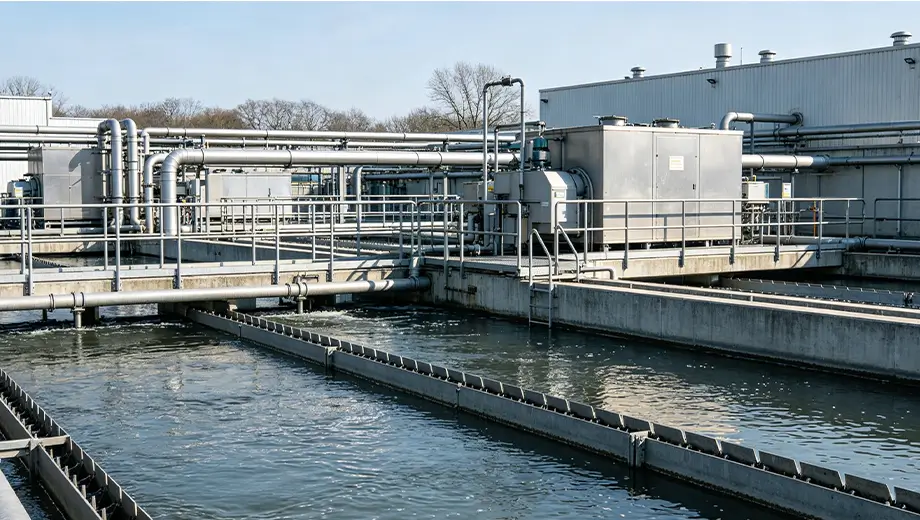
Treating Organic Wastewater
Effective treatment usually combines several stages:
- Physical separation — screening, sedimentation, flotation, or filtration to remove large solids.
- Coagulation and flocculation — chemical treatment of suspended and colloidal matter.
- Biological treatment — aerobic or anaerobic microbes digest biodegradable organics.
- Advanced polishing — further removal when discharge or reuse standards demand it.
The Role of PAC and PAM
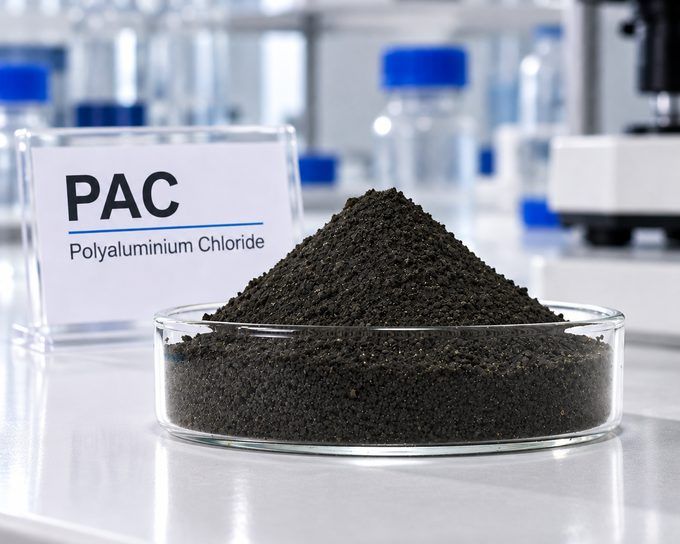
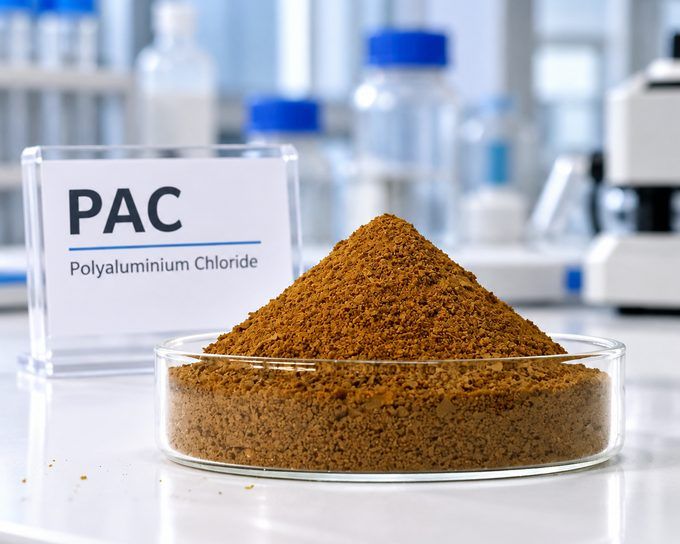
For wastewater that carries organic matter along with suspended solids and colloids, PAC (Poly Aluminium Chloride) and PAM (Polyacrylamide) play a key pretreatment role:
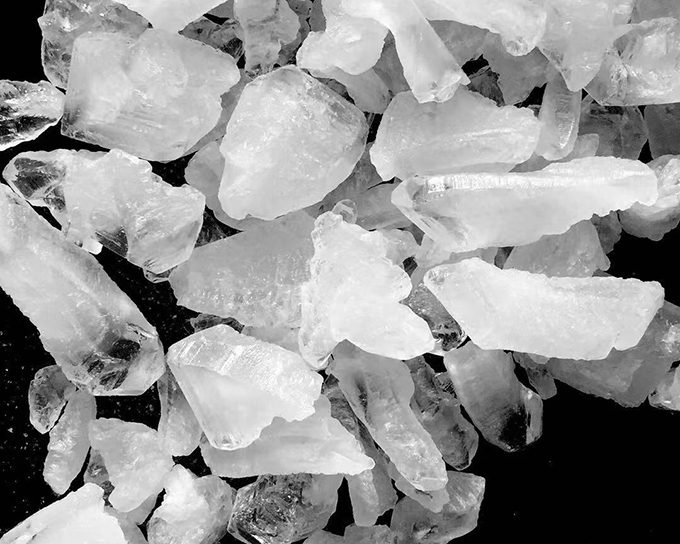
- PAC is an inorganic coagulant. It destabilizes fine particles so they clump together.
- PAM is a polymer flocculant. It bridges those clumps into larger, settleable flocs.

A typical chemical-treatment sequence:
Wastewater → PAC dosing → rapid mix → PAM dosing → flocculation → sedimentation or DAF → further biological treatment
By removing suspended and colloidal load upfront, PAC/PAM reduce the burden on downstream biological systems. PAC and PAM do not “eat” dissolved organic molecules; their job is solid–liquid separation. Dissolved biodegradable organics are handled mainly by biological treatment.
How to Select the Right Chemicals
There is no single PAC or PAM grade that suits every wastewater. Food-processing effluent behaves very differently from textile, mining, or municipal wastewater. When choosing products, evaluate:
- Source and composition of the wastewater
- COD and BOD levels, suspended solids, turbidity
- pH and temperature
- Existing treatment train and sludge handling
- Final discharge or reuse requirements
The most reliable way to choose a coagulant/flocculant is a laboratory jar test. It lets you compare PAC grades, PAM grades, and dosages at bench scale before committing to full-scale dosing.
Frequently Asked Questions
What is the main cause of organic water pollution? Excess biodegradable material from sewage, food processing, and industrial discharges raises COD and BOD. Microbes then consume dissolved oxygen faster than the water can replenish it.
What is a good BOD level? Budge thresholds vary by country and water body. In general, lower is better for receiving streams; regulated discharge limits are set in local environmental permits. Check your national or state standard.
Can PAC and PAM remove BOD? They remove the suspended and colloidal fraction that contributes to BOD. Dissolved BOD is mainly removed by biological treatment, not by coagulation alone.
Why is a jar test necessary? Because wastewater chemistry varies by factory. A jar test reveals the right PAC/PAM grades and dosages, avoids overdosing, and protects downstream biological processes.
Conclusion
Organic pollution is a daily challenge for wastewater operators. High COD and BOD consume dissolved oxygen, push aquatic ecosystems toward anaerobic conditions, and can trigger fish kills and odor events.
Treatment works best as a combined system: physical separation, PAC coagulation, PAM flocculation, biological degradation, and polishing where required. Always back chemical selection with wastewater analysis and jar testing — that is how plants hit discharge targets without wasting chemicals.
Looking for PAC or PAM for your organic wastewater? Contact our engineering team → for a jar-test recommendation.
References:
US EPA Water Pollution Resources
WHO Water Quality Guidelines