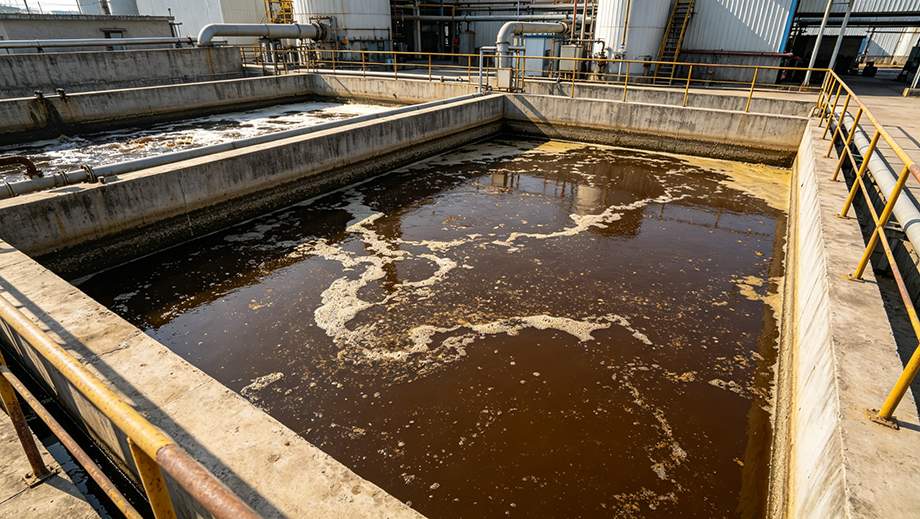
Thermal pollution** is the degradation of water quality by any process that changes ambient water temperature. The main cause is industrial cooling-water discharge — water used to cool power plants, smelters, refineries, and chemical reactors, then returned to rivers or lakes warmer than the receiving water.
What Causes It
Common sources:
- Thermal power plants and nuclear stations
- Aluminum and steel smelters
- Oil refineries and petrochemical plants
- Chemical manufacturing
- Industrial cooling systems
Even treated wastewater effluent that is warmer than the receiving stream contributes.
Why Warm Water Harms Aquatic Life
The mechanism is straightforward:
Higher temperature → lower dissolved oxygen (warm water holds less O₂) → faster microbial decomposition → even more oxygen demand → aquatic stress
Warm water also speeds up metabolism, shifts species ranges, and can disrupt spawning cycles. Cold-water species like salmon are especially sensitive.
How to Control Thermal Discharge
Because it is a heat problem, the fixes are thermal:
- Cooling towers — transfer waste heat to the atmosphere before discharge.
- Heat exchangers — recover heat for other processes, improving energy efficiency.
- Water recycling — reuse cooling water in a closed loop.
- Equalization and controlled discharge — mix and pace the release so it does not shock the receiving stream.
Where PAC and PAM Fit
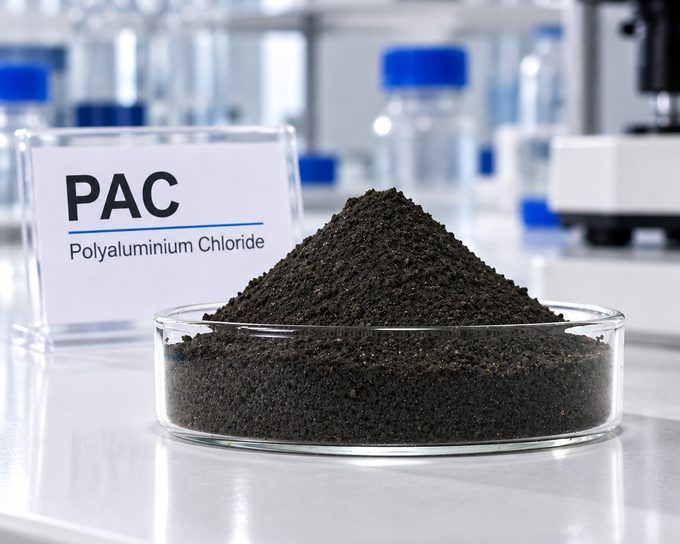
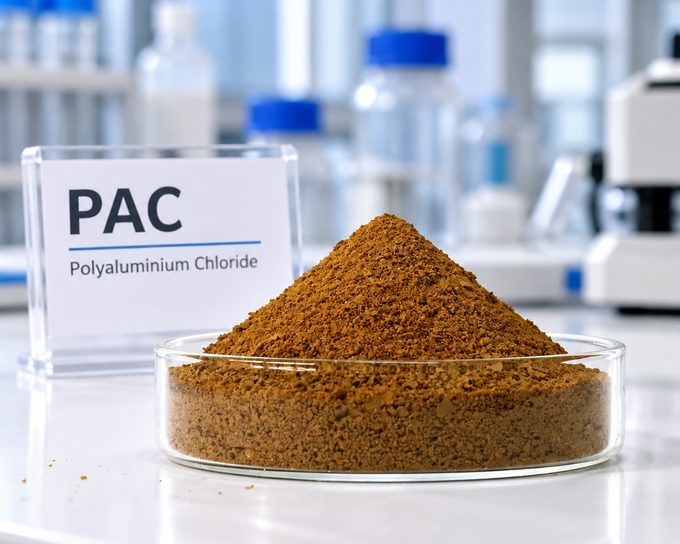
PAC and PAM do not remove heat. Their job is to treat the other pollutants that almost always ride along with hot cooling wastewater: suspended solids, colloids, oils, color, and organics.
A combined treatment train:
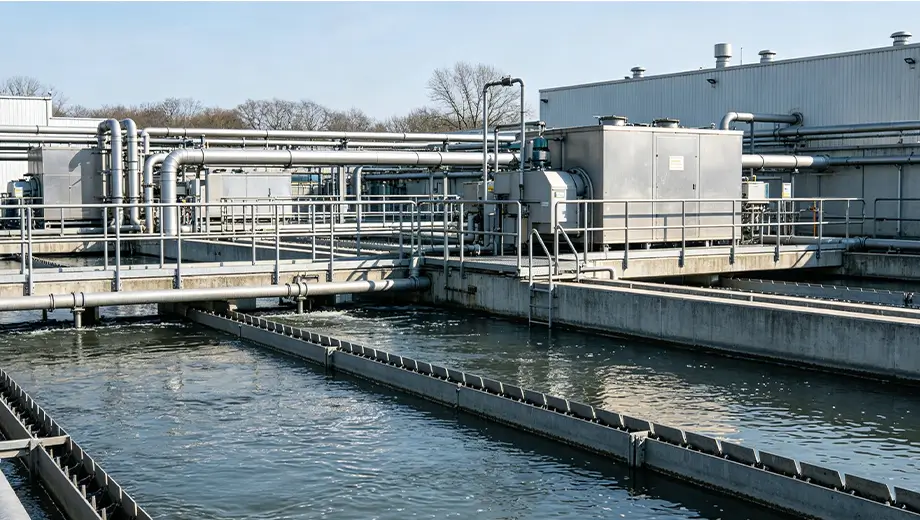
Equalization → Cooling → pH adjustment → PAC coagulation → PAM flocculation → Sedimentation → Filtration

FAQ
What is thermal pollution? Discharge of heated water (usually from industrial cooling) that raises the temperature of a river, lake, or reservoir.
Why does warm water matter? Warm water holds less dissolved oxygen, while warm-water microbes decompose organics faster — a double hit on aquatic life.
Can PAC remove heat? No. PAC removes particles and colloids. Heat is controlled by cooling towers, heat recovery, and reuse.
Conclusion
Thermal pollution is managed at the heat-recovery stage, not the chemical stage. Once the water is cooled and pH-adjusted, PAC and PAM do their normal job on suspended solids and colloids — keeping downstream biological and filtration processes stable.
References:
U.S. Environmental Protection Agency (EPA) drinking water resources