Choose a water treatment chemical supplier by the evidence behind the offer. Competitive pricing matters, but the buyer also needs a defined product, consistent deliveries and a clear response when something goes wrong. A supplier review should make those responsibilities visible before the first bulk order.
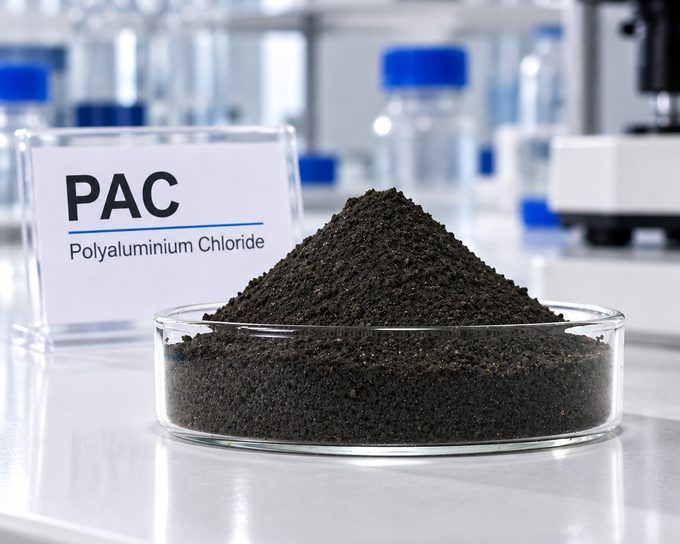
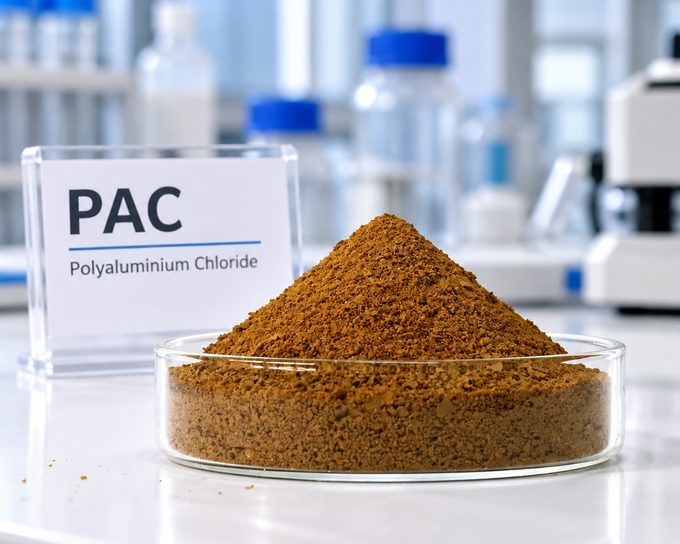
This applies whether you are sourcing PAC, PAM, potassium alum or ammonium alum. Each product needs its own technical acceptance criteria, while the commercial and supply checks follow a shared purchasing process.


Give shortlisted suppliers the same brief
Prepare a written inquiry with the chemical name, application, required specification and physical form. Include quantity, packaging, destination and delivery terms. Where relevant, state required standards and documents.
A common brief makes quotations easier to compare. Otherwise, a lower price may reflect a different grade, packing method or delivery scope. Resolve those differences before negotiating the final number.
Identify who produces and who supplies each product
Ask whether the company manufactures the offered product, purchases it from another plant or combines both roles. The answer may vary across its product range. Therefore, confirm the source and quality responsibilities for each material you intend to buy.
A trading or supply chain company can be a suitable partner when it manages sourcing and documentation effectively. Meanwhile, direct production can provide useful access to process information. Assess the actual controls and accountability rather than ranking suppliers by business label alone.
Where factory capability is relevant, request evidence tied to the offered product. A general company video does not establish the origin of every chemical in a catalog.
Compare technical evidence and commercial promises
Review the TDS, SDS and a representative COA during qualification. Before shipment, request the COA for the supplied batch. In addition, agree how the lot number will connect to packaging and shipment records.
The documents serve different purposes. A TDS describes the offered product, a COA reports batch information, and an SDS communicates safety and handling information. The OSHA guide to safety data sheets explains the standard section structure used for hazard communication. An SDS is not a certificate of purity or approval for an application.
| Area to review | Useful evidence | Point to clarify |
| Technical suitability | Specification, methods and sample results | Does the offered grade meet the requirement |
| Supply consistency | Lot records and quality procedures | How are changes and complaints managed |
| Manufacturing or sourcing | Product-specific source information | Who controls and releases the batch |
| Delivery | Written lead time and packing details | What is included in the quotation |
| Commercial accountability | Company details and agreed terms | Who is responsible for the transaction |
Use samples to reduce uncertainty
Evaluate a representative sample against the intended use. For PAC or PAM, treatment trials may be needed. For alum, the assessment may include identity, impurities, physical form and preparation behavior.
Sample approval should reference a written specification. It should also state how the bulk material will be assessed. As a result, the first delivery can be checked against something more objective than a photograph or a general promise.
Make export terms specific
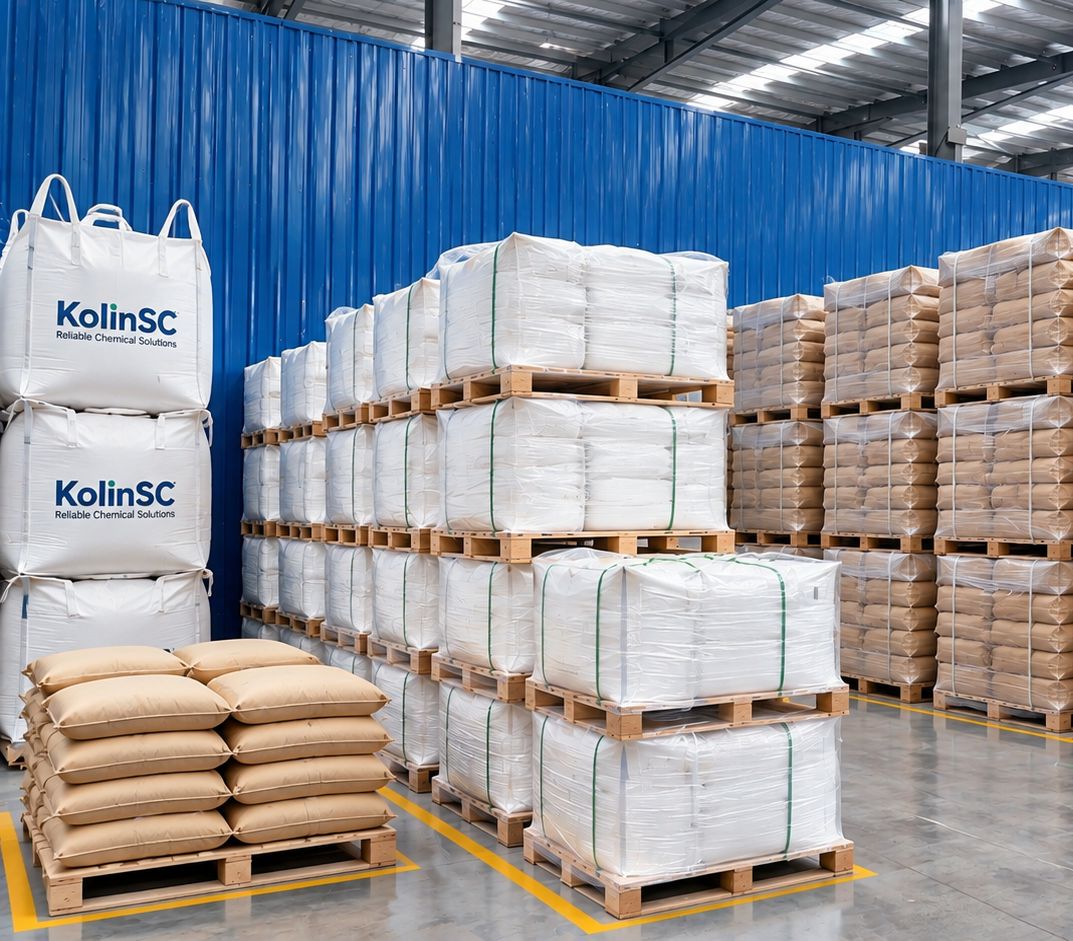
Confirm the packaging material, net weight, pallet arrangements and label requirements. Then agree the named delivery location and applicable Incoterms rule, including the version. Freight scope and documentation should be clear enough to compare offers accurately.
A quoted transit estimate is different from a guaranteed arrival date. Likewise, a production lead time should state what triggers it, such as specification approval or an agreed payment milestone. These details can prevent avoidable misunderstandings.
Test communication before committing to a larger volume
Notice how the supplier responds to precise technical questions. Clear answers, documented limitations and consistent information are useful signs. However, quick replies alone do not establish product quality.
Agree a contact process for shortages, damaged packaging or disputed results. It should identify the records needed and how a complaint will be reviewed. This becomes more valuable as order volumes grow.
Start with a purchase you can assess
For a new supply relationship, use a defined initial order and acceptance process before committing to larger ongoing volumes. Review the delivered product, documents and treatment results together. Then decide whether to extend the relationship.KolinSC supplies water treatment chemicals including PAC, PAM, potassium alum and ammonium alum. Send your product specification, quantity and destination to begin a focused sourcing discussion. The offered grade and available documents should be confirmed for the actual application.
Professional Water Treatment Chemical Supplier & One-Stop Industrial Solution Provider