Reliable wastewater neutralization and pH control require more than an initial pH reading and a reagent pump. Determine the stream’s neutralizing demand, allow adequate reaction and mixing, and verify the measured response before release or downstream treatment.
A stable pH result is one treatment requirement, not evidence that all pollutants have been removed. Suspended solids, dissolved metals, organics and salts may still require separate assessment.

Why initial pH cannot determine the reagent dose
pH describes hydrogen-ion activity under the measurement conditions. It does not independently describe the total amount of acid or base the wastewater can consume. Weak acids, carbonate systems and other buffers can change the dose required to reach a target.
Dissolved metals may also consume alkali when hydroxide precipitation occurs. For instance, a simplified aluminum reaction is Al³⁺ + 3OH⁻ → Al(OH)₃. Consequently, a dose calculated only from free hydrogen ions can underestimate the actual requirement.
The useful target must reflect the purpose of the stage. Conditions for metal precipitation may differ from a final discharge or biological treatment target. Some metal hydroxides can become more soluble at excessive pH, so increasing alkalinity indefinitely is not a removal strategy.
Use a representative titration to understand demand
Have suitable personnel evaluate fresh, representative material using a documented method. Record sample volume, reagent identity and concentration, addition increments, mixing, reaction time, temperature and the pH response.
Near a sensitive part of the titration curve, smaller additions help characterize how sharply the response changes. However, a laboratory endpoint is not automatically a continuous-system setting. Plant mixing, residence time and measurement delay also affect the result.
Repeat the assessment when production streams vary. A reagent program developed from one dilute sample may not accommodate an intermittent concentrated discharge.
Choose reagents with downstream effects in mind
Acidic wastewater may be treated with suitable alkaline reagents such as sodium hydroxide, lime or carbonate materials. Alkaline wastewater may be treated with a suitable acid or, in certain systems, carbon dioxide. These are examples, not a supply offer or site-specific recommendation.
Sodium hydroxide solutions can support controlled dosing, while lime requires appropriate slurry preparation and handling. Carbonate materials have different reaction and dissolution behavior. Meanwhile, carbon dioxide treatment depends on gas–liquid transfer, buffering and the target conditions.
Consider the salts and solids generated as well as purchase price. For example, a calcium-based program may create different scaling or solids-handling demands from a sodium-based one. Reagent concentration and purity must be reflected in dose calculations.
The US EPA technical resource on corrosive waste treatment provides historical engineering background on neutralization. It should not replace current site safety review, permits or validated design requirements.
Review equalization and compatibility before dosing
An appropriate equalization stage can reduce fluctuations in flow and composition. Nevertheless, do not combine streams solely because one is acidic and another alkaline. Characterization and compatibility assessment must come first.
Some mixtures can release hazardous gases, excessive heat or troublesome precipitates. Therefore, any mutual neutralization scheme needs controlled collection and a defined operating procedure. Equalization is a process tool, not permission to mix unknown wastes.
For variable or intermittent material, batch treatment may provide useful isolation and verification. Continuous operation has different control needs. Select the arrangement from the flow pattern and reaction behavior rather than copying another facility.
Understand why pH overshoot occurs
The reagent takes time to mix and react, and the probe takes time to detect a representative condition. A controller can continue adding chemical during that delay. Once the reaction becomes visible at the sensor, the target may already have been exceeded.
Poor probe placement, insufficient circulation, an oversized feed rate or fouling can worsen the problem. In addition, the same reagent addition can produce very different pH changes in different regions of the titration curve.
Staged treatment, coarse and fine dosing or appropriately tuned controls may help where the design supports them. Avoid setting a universal control strategy without considering reaction time, tank geometry and operating variability.
| Operating symptom | Investigation priorities |
| Repeated overshoot | Feed rate, mixing, reaction delay and control settings |
| Probe and laboratory results disagree | Calibration, fouling, sample conditions and representative location |
| Demand changes between shifts | Production discharges, buffering and metal content |
| Deposits or plugging | Reagent preparation, precipitation and equipment compatibility |
Maintain measurement as part of the treatment system
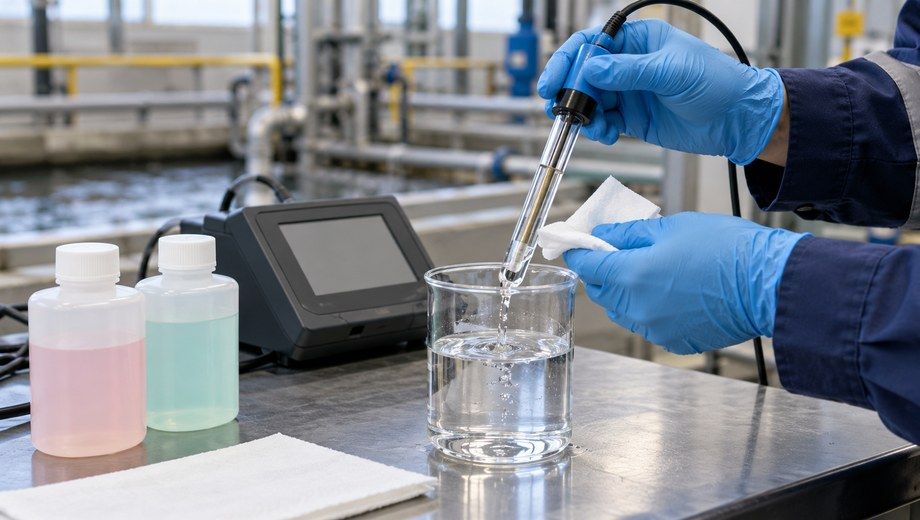
Calibrate and maintain the pH instruments under the approved procedure. Check sensor condition, appropriate sampling and independent verification where required. A drifting measurement can cause both chemical waste and an unsuitable final condition.
Also verify reagent concentration and pump delivery. Controller output alone does not prove that the intended amount reached the tank. Record flow and reagent consumption so changes can be investigated.
Where release conditions are critical, the design may require retention, verification or diversion arrangements. Those decisions belong to the responsible facility and qualified designers, based on the applicable requirements.
Separate pH adjustment from pollutant removal
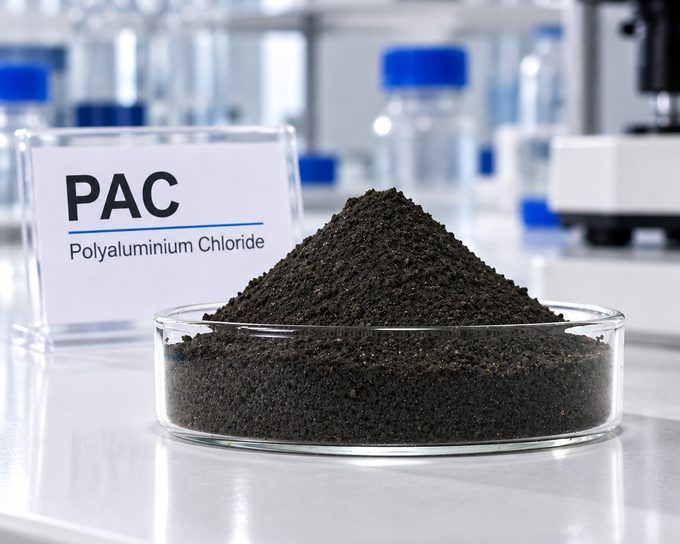
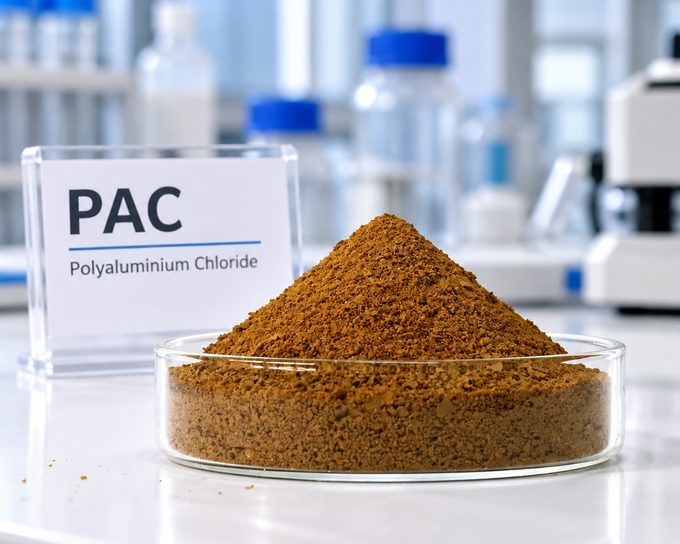
After neutralization, analyze the remaining stream. Metal precipitation can create solids that need settling, filtration or another suitable separation process. PAC or PAM may help with particular suspended or colloidal material, but neither is a direct replacement for the neutralizing reagent.
Dissolved salts and some organic constituents may remain even when pH and turbidity look acceptable. Therefore, evaluate the complete discharge or reuse specification. Confirm the applicable limits rather than assuming one pH range applies worldwide.
KolinSC supplies PAC and PAM for appropriate clarification and flocculation duties. Share the composition of the pH-adjusted stream and its separation target when requesting product information; neutralization-system design and reagent handling require a separate site-specific assessment.
Professional Water Treatment Chemical Supplier & One-Stop Industrial Solution Provider