

News
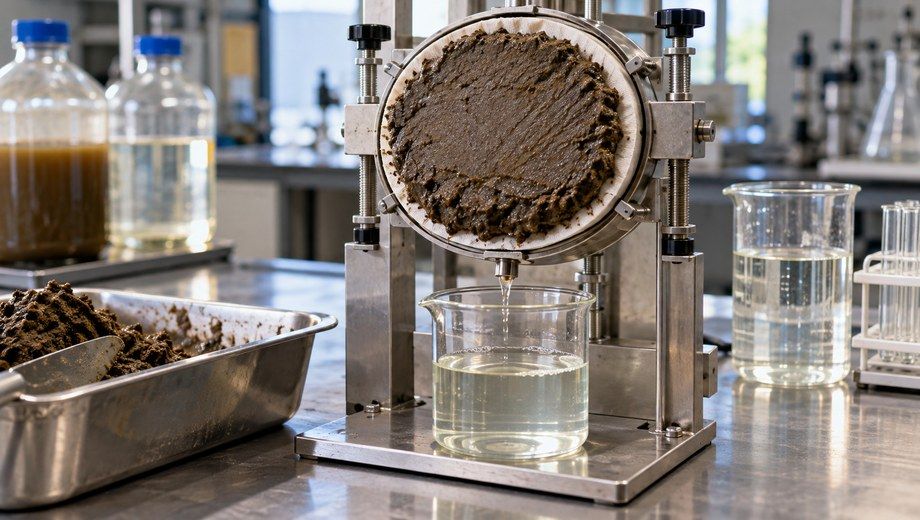
The main difference between anionic and cationic PAM is the charge carried by the polymer. Anionic grades contain negatively charged groups, whereas cationic grades contain…
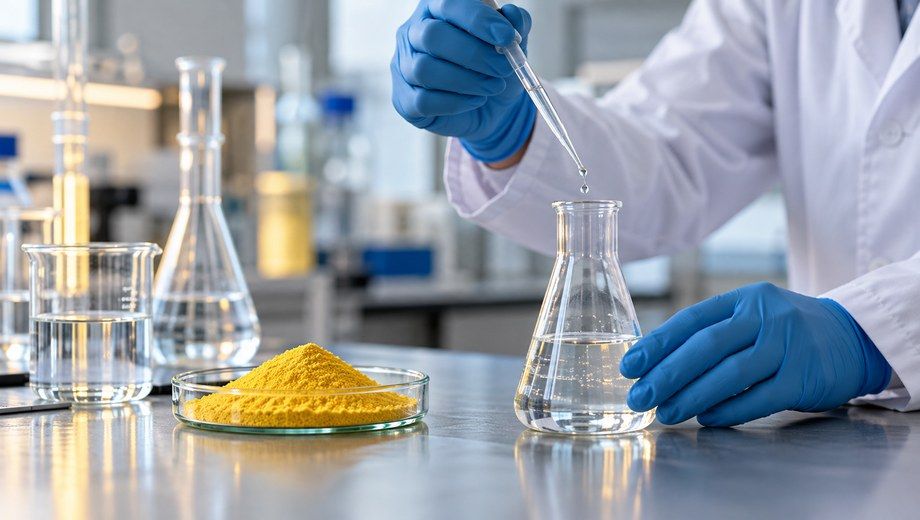
A photograph can show the condition of PAC powder, but it cannot establish its composition or treatment performance. To evaluate PAC quality before buying, combine…
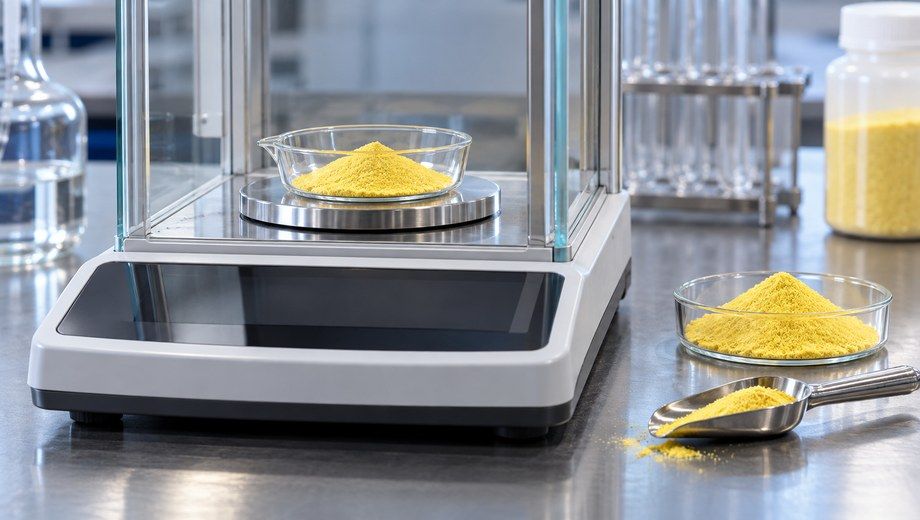
PAC 28% and PAC 30% differ in their stated aluminum oxide equivalent content. However, that difference alone cannot tell you which product will treat your…
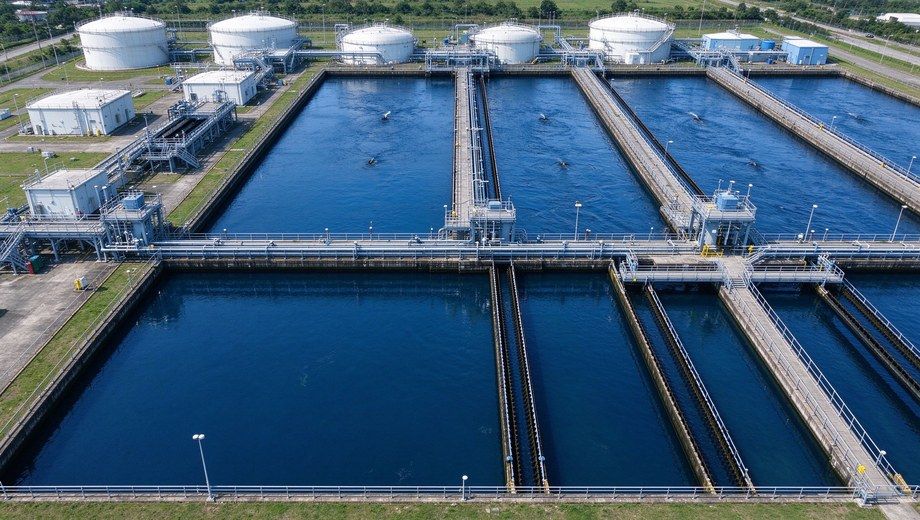
Two PAC products can be labeled “28% Al₂O₃” and still behave completely differently. The hidden parameter doing the work is basicity. If you specify PAC…

Stretch marks (striae) are one of the most searched skin concerns on the internet — and one of the most over-promised. Potassium alum sometimes appears…
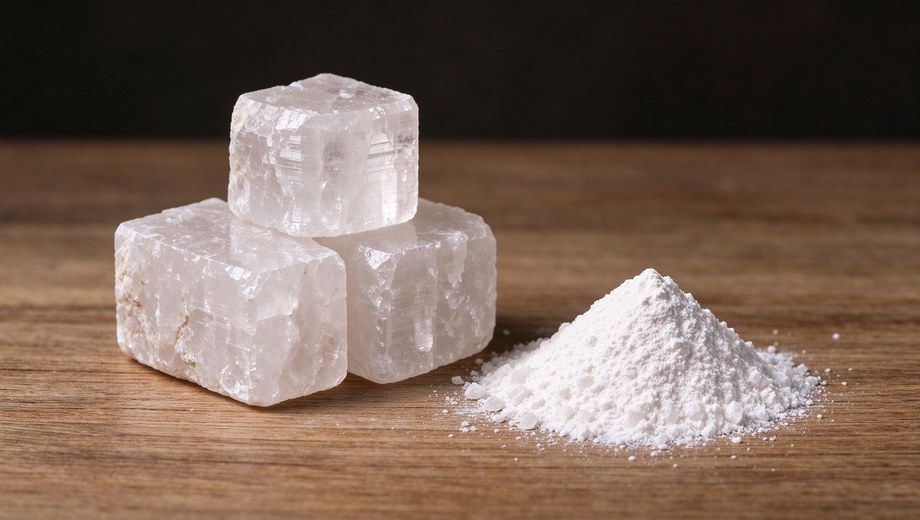
If you are formulating a mineral deodorant, you have three ways to buy potassium alum — and the choice changes everything downstream. This guide walks…
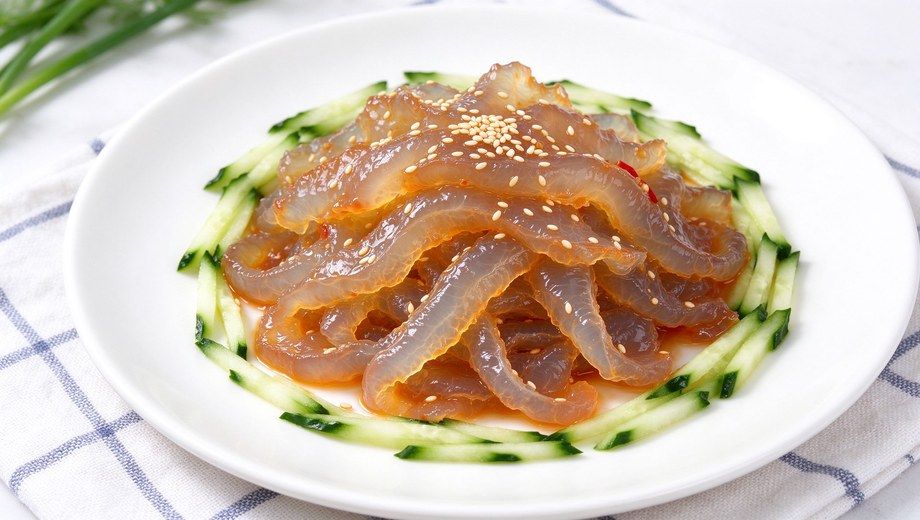
Fresh jellyfish is almost water. Its delicate, collagen-rich bell falls apart the moment it leaves the ocean unless it is preserved within hours. For centuries,…

Alum, PAC, and PAM are the three most-cited chemicals in water treatment. Nevertheless, they do not do the same job. Treating them as interchangeable causes…

Poly Aluminium Chloride (PAC) is a pre-hydrolyzed inorganic polymeric coagulant used in municipal water, industrial wastewater, process water, and high-turbidity clarification. Compared with traditional alum…
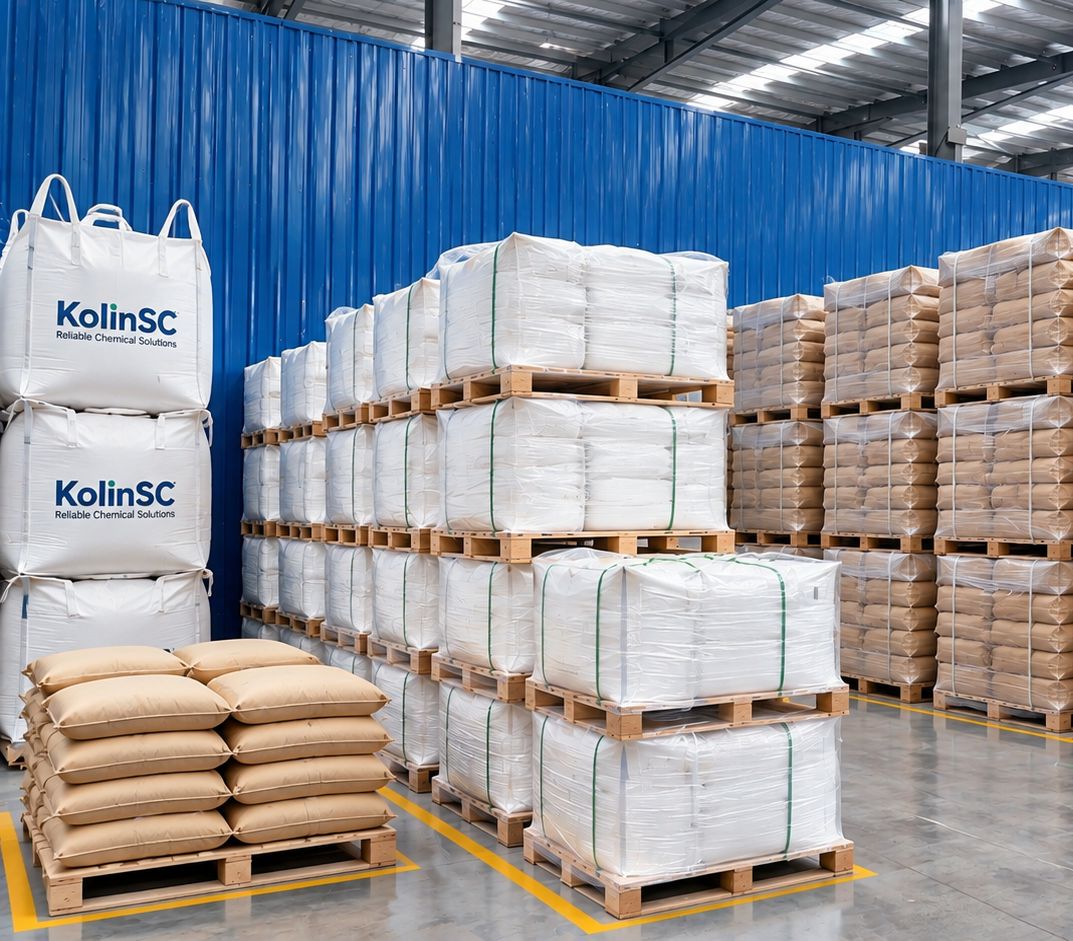
Polyacrylamide (PAM) is the most widely used polymeric flocculant in water and wastewater treatment. Unlike inorganic coagulants such as PAC or alum — which destabilize…
Hot Products

Provide samples, COA, MSDS, and customs declaration documents

Support customized packaging, OEM, and provision of COA & MSDS

High purity, low impurities, stable performance
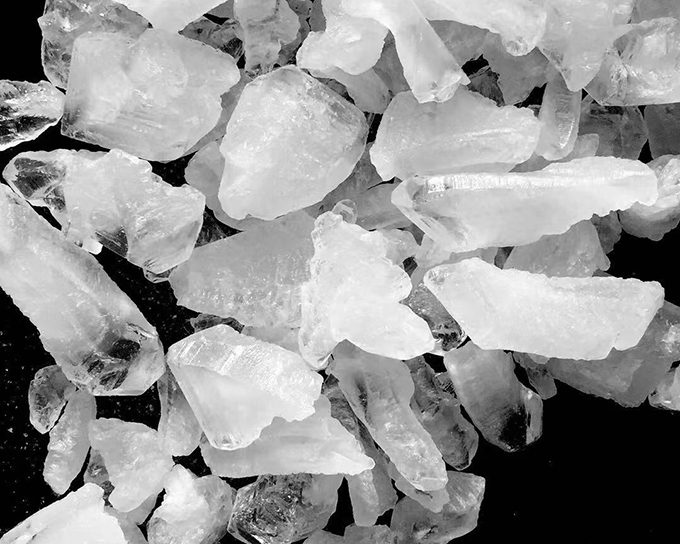
High purity, low impurities, stable performance

High purity, low impurities, stable performance
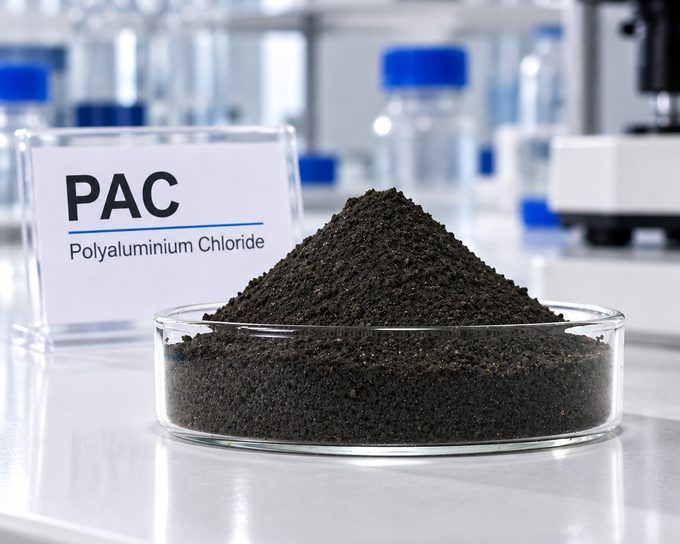
Basic Aluminium Chloride (BAC) is a dark grey coagulant for industrial wastewater treatment, supporting suspended solids removal and water clarification.
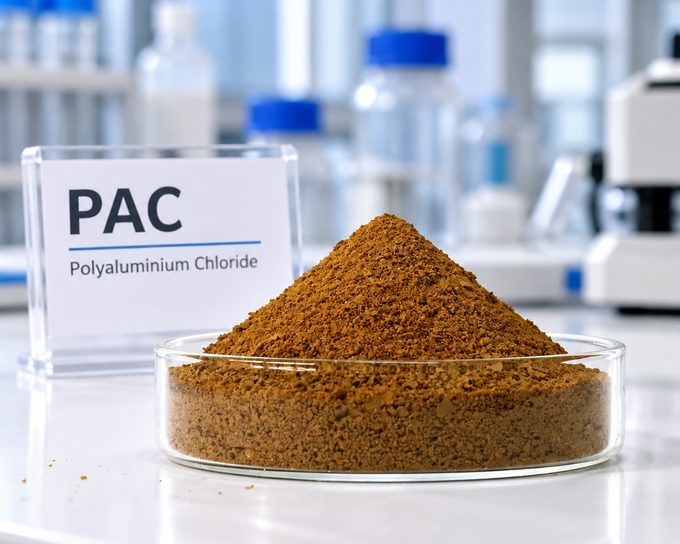
Industrial Grade Poly Aluminium Chloride (PAC) is a cost-effective coagulant for municipal sewage and industrial wastewater treatment, available in multiple Al₂O₃ grades to meet different treatment needs.

High purity white PAC powder for water purification and wastewater treatment applications.