

News
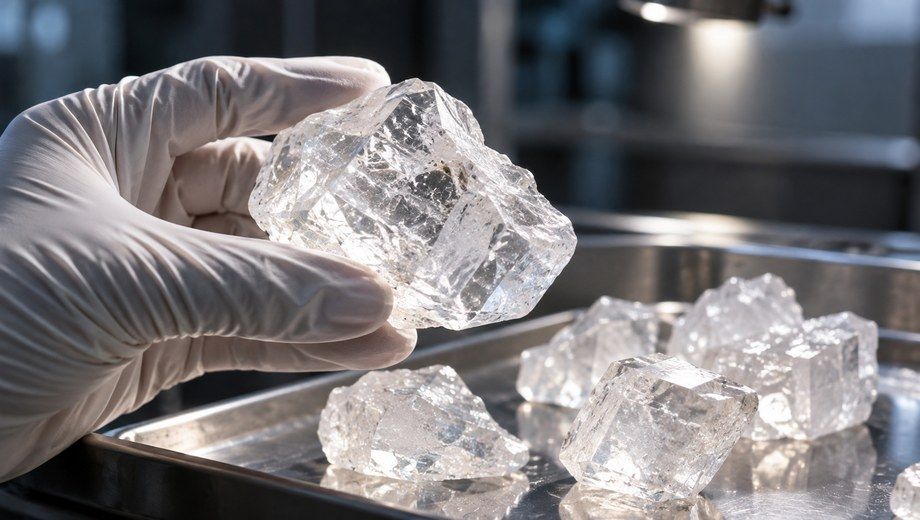
Clear crystals and a high purity figure can make potassium alum look convincing. However, neither tells the complete quality story. A useful evaluation of potassium…
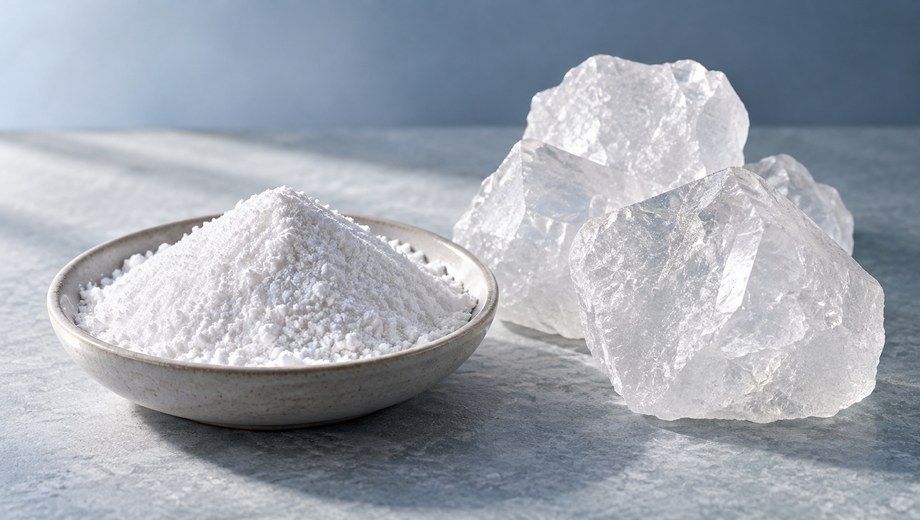
Powder is usually the practical starting point when potassium alum must be weighed and dissolved regularly. Blocks can suit buyers who need larger crystals or…
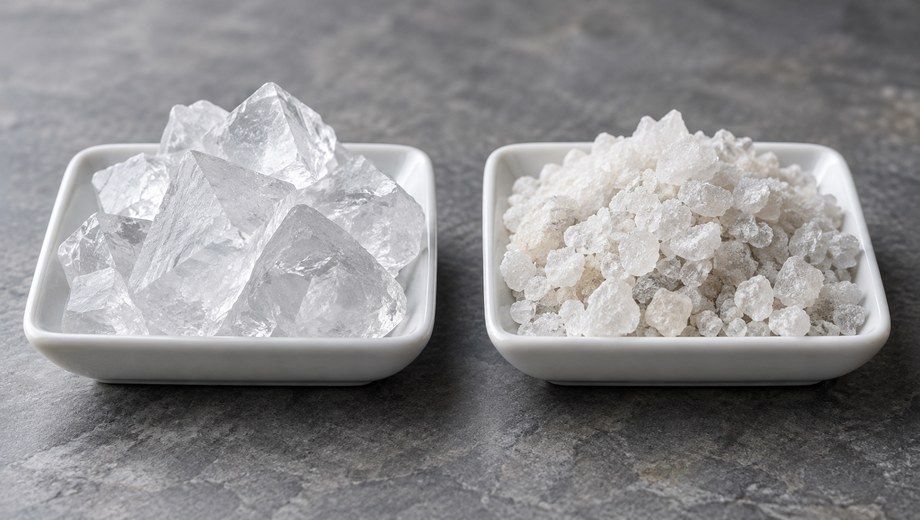
An inquiry that says only “alum” can lead to two different quotations. In many water treatment settings, the term refers to aluminum sulfate. Elsewhere, the…
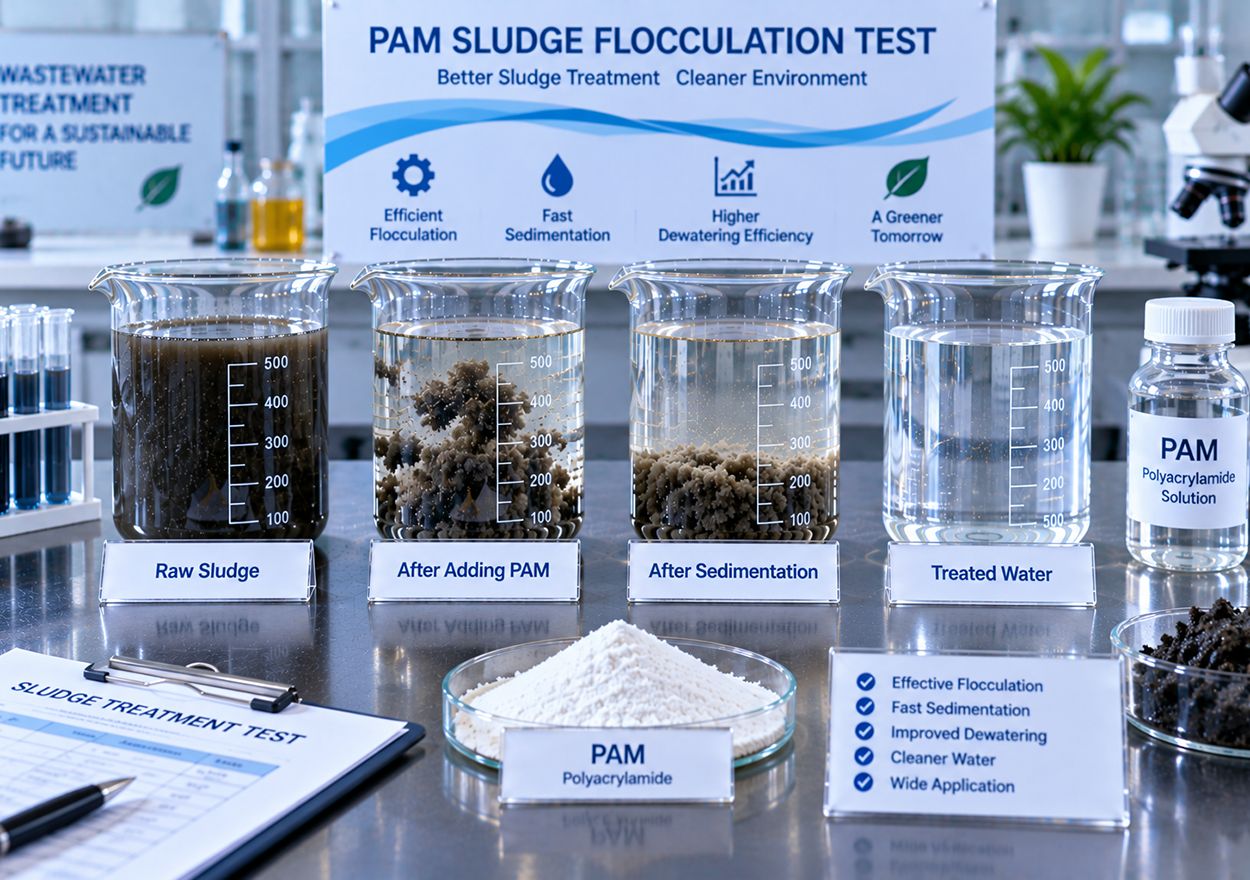
Choosing PAM for wastewater treatment works best as a trial process with a clear endpoint. Define the separation result you need, screen suitable polymers and…
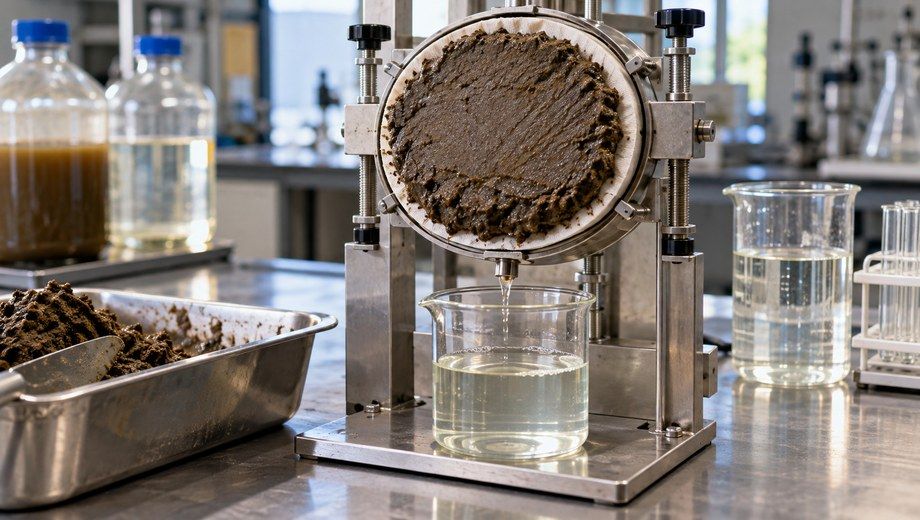
The main difference between anionic and cationic PAM is the charge carried by the polymer. Anionic grades contain negatively charged groups, whereas cationic grades contain…
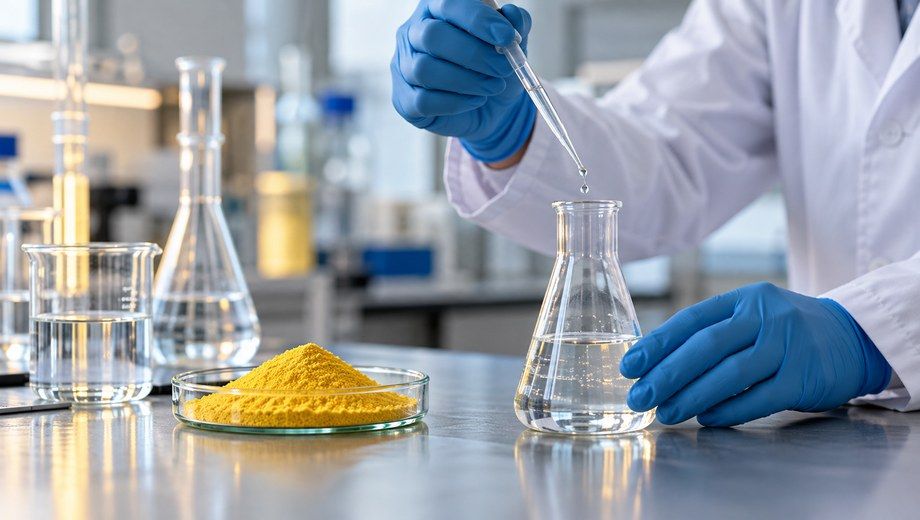
A photograph can show the condition of PAC powder, but it cannot establish its composition or treatment performance. To evaluate PAC quality before buying, combine…
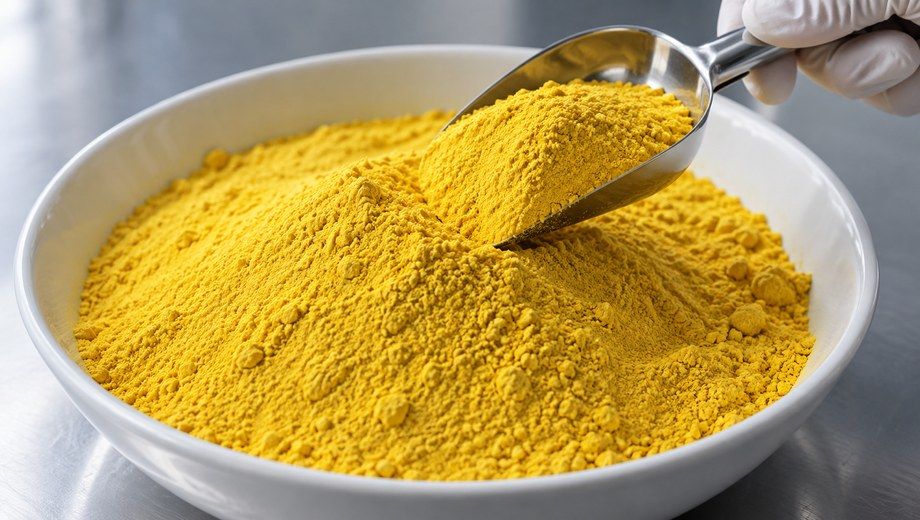
To choose the right PAC grade, start with the water and the treatment target. A specification that works well for one plant may need a…
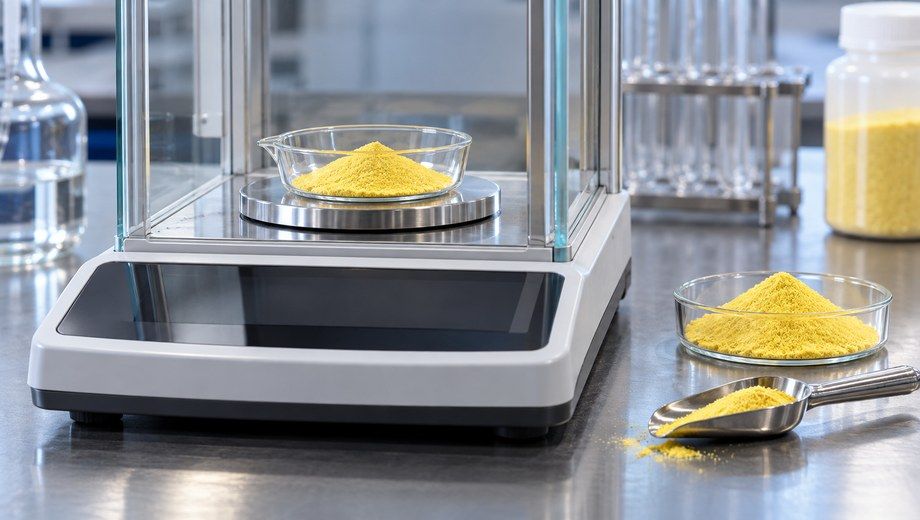
PAC 28% and PAC 30% differ in their stated aluminum oxide equivalent content. However, that difference alone cannot tell you which product will treat your…
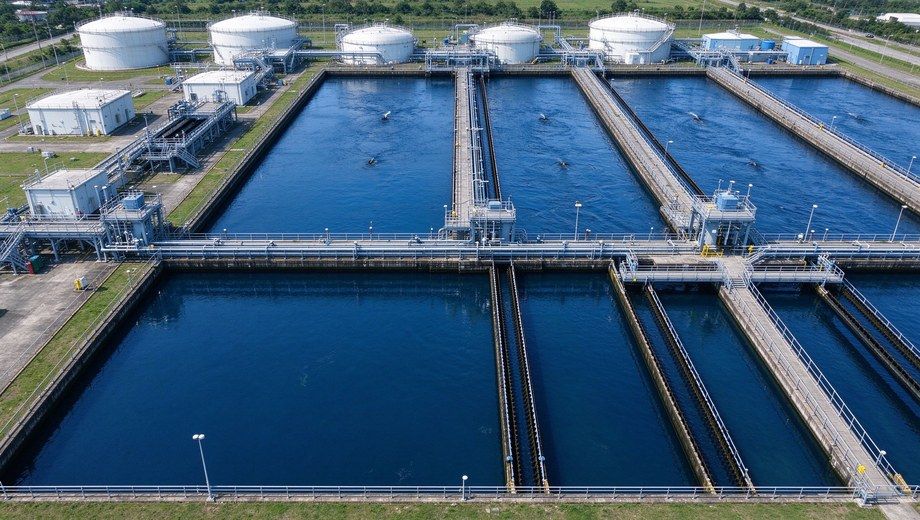
Two PAC products can be labeled “28% Al₂O₃” and still behave completely differently. The hidden parameter doing the work is basicity. If you specify PAC…
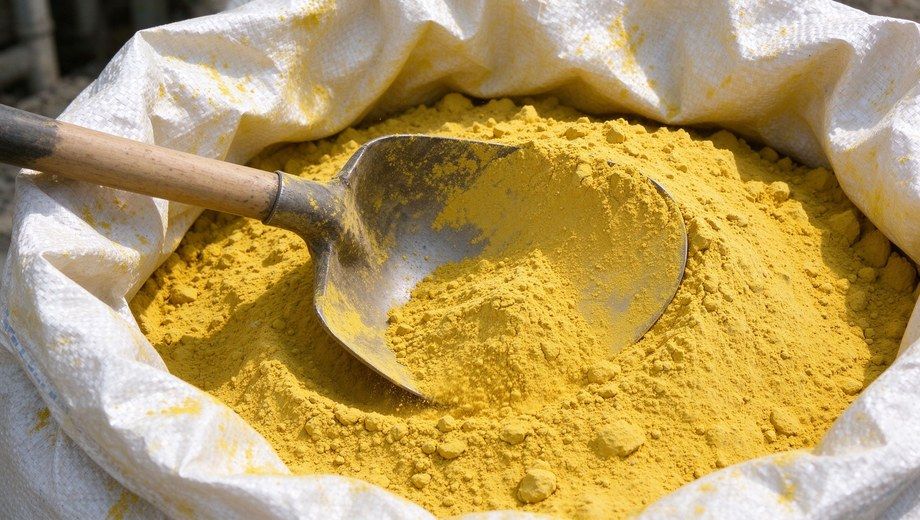
If you are new to water treatment, Poly Aluminium Chloride (PAC) is the coagulant most plants reach for first. It is fast, flexible, and works…

Drilling, bored piling, diaphragm walls, and pipe jacking all share one hidden problem: the excavated soil has to stay suspended, travel through a pipe, and…
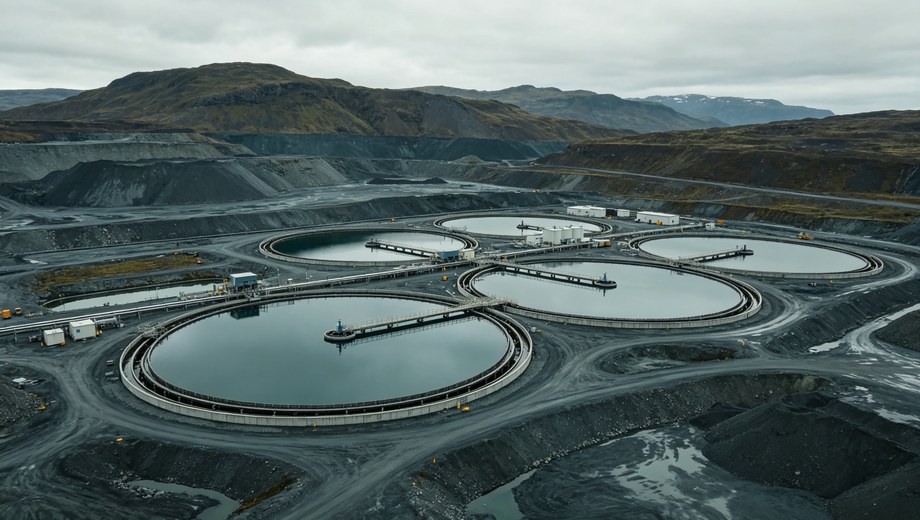
Mining and mineral processing produce huge volumes of wastewater loaded with tailings fines, metal hydroxide colloids, clay, residual flotation reagents, and dissolved salts. The water…
Hot Products

Provide samples, COA, MSDS, and customs declaration documents

Support customized packaging, OEM, and provision of COA & MSDS

High purity, low impurities, stable performance
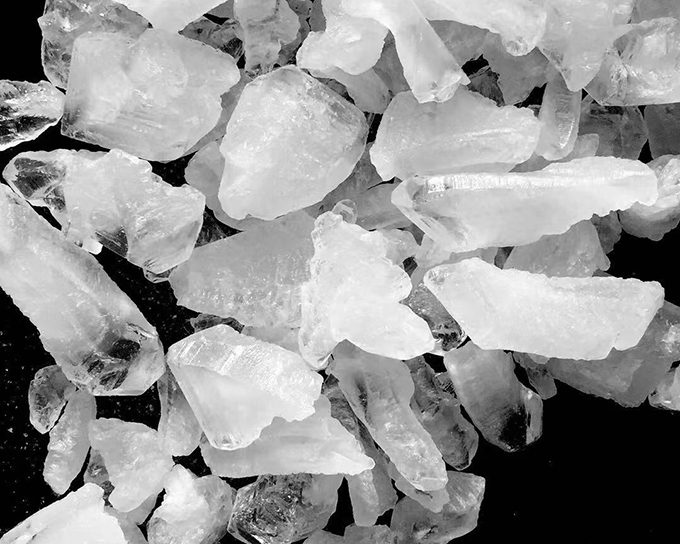
High purity, low impurities, stable performance

High purity, low impurities, stable performance
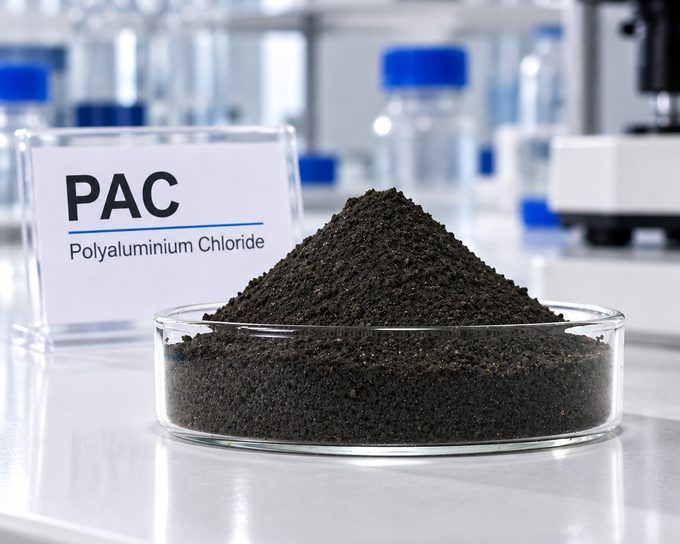
Basic Aluminium Chloride (BAC) is a dark grey coagulant for industrial wastewater treatment, supporting suspended solids removal and water clarification.
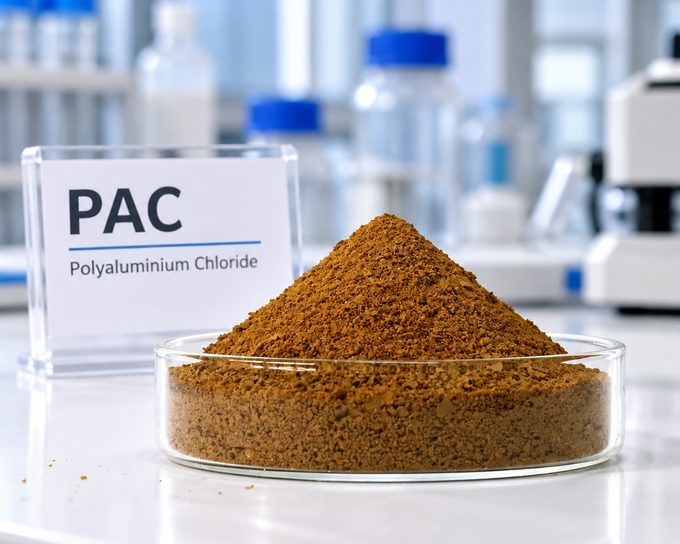
Industrial Grade Poly Aluminium Chloride (PAC) is a cost-effective coagulant for municipal sewage and industrial wastewater treatment, available in multiple Al₂O₃ grades to meet different treatment needs.

High purity white PAC powder for water purification and wastewater treatment applications.