

News
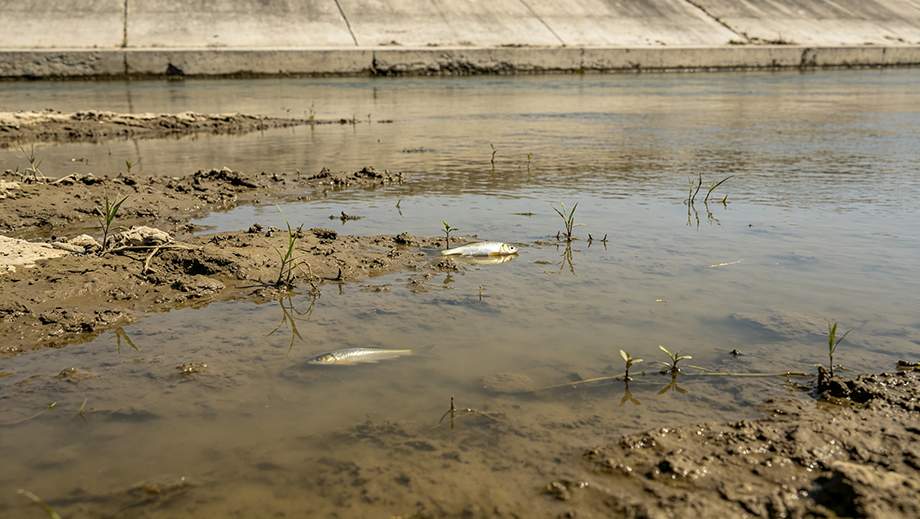
Biological pollutants** are the pathogens and biological agents in wastewater that can cause disease: bacteria, viruses, protozoa, parasite eggs, and microbial toxins. Not every microbe…
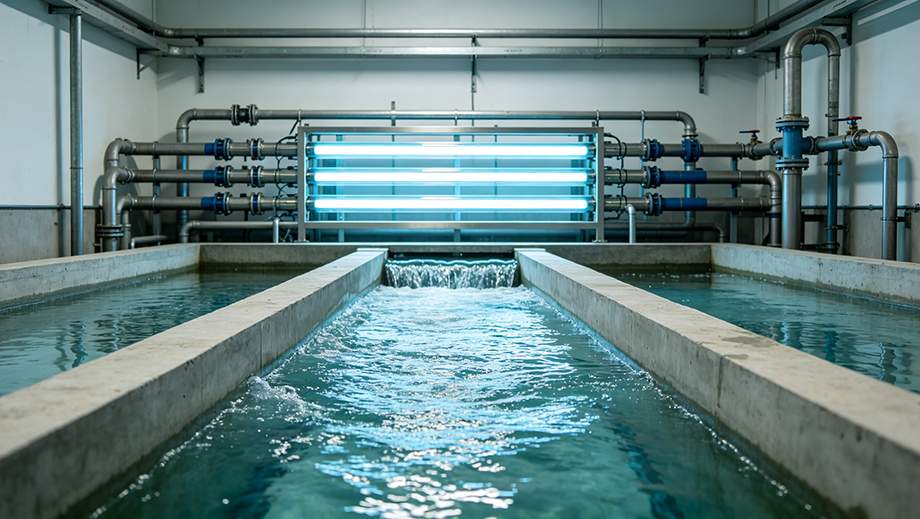
Safe tap water depends on disinfection — but disinfection alone is never enough. Source water can carry bacteria, viruses, protozoa, fungi, algae, larvae, and even…
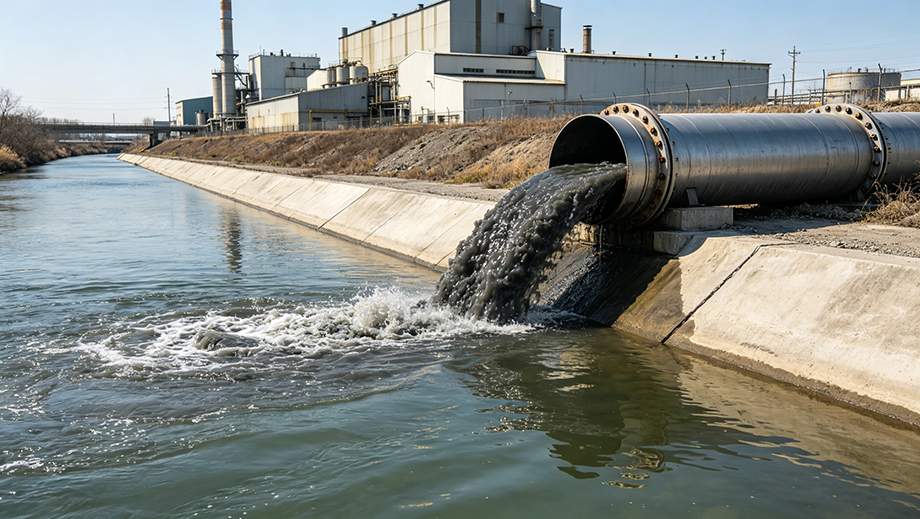
Extreme pH is one of the most common and damaging industrial wastewater problems. Acidic streams leach metals; alkaline streams release ammonia; both kill biology and…

Not all water pollutants behave the same way. Organic matter consumes oxygen; oil blocks light and gas exchange. Toxic pollutants are a different category: even…

Oil pollution is a common and often serious form of water contamination. It enters rivers, lakes, and coastal waters through oily wastewater from refineries, metalworking,…

Organic pollution is one of the most common forms of water contamination in rivers, lakes, and municipal wastewater systems. When a water body carries high…

Introduction Clean water is the foundation of human health, industrial manufacturing, agricultural production, and balanced aquatic ecosystems. Water pollutants However, rapid industrialization, expanding urban areas,…

Introduction Solid pollutants are among the most common contaminants found in natural water and industrial wastewater. They degrade water appearance, raise turbidity, disrupt aquatic ecosystems…

Introduction Industrial wastewater treatment is an essential part of modern industrial production and environmental protection. Industries including textile manufacturing, mining, chemical processing, pharmaceuticals, food processing,…
Hot Products

Provide samples, COA, MSDS, and customs declaration documents

Support customized packaging, OEM, and provision of COA & MSDS

High purity, low impurities, stable performance
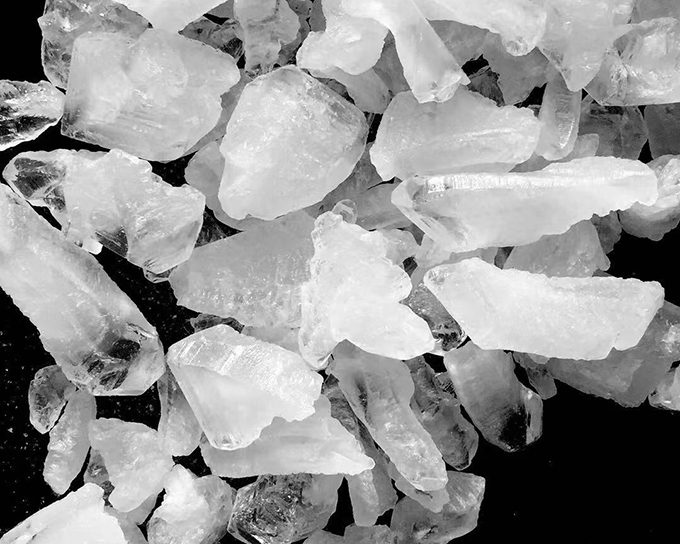
High purity, low impurities, stable performance

High purity, low impurities, stable performance
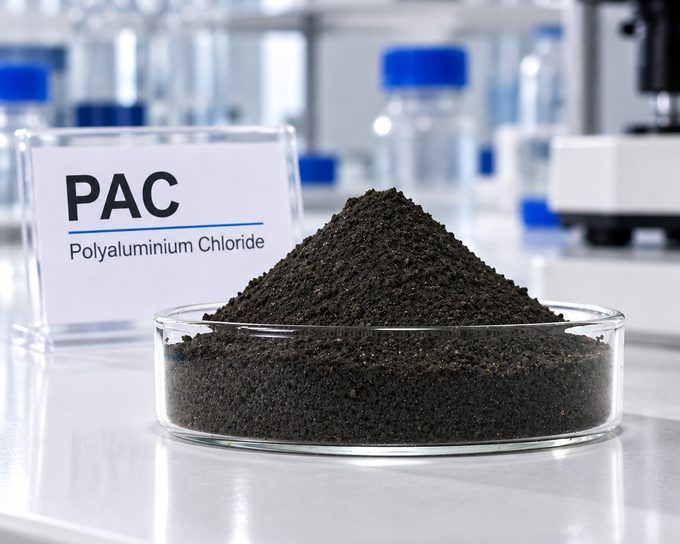
Basic Aluminium Chloride (BAC) is a dark grey coagulant for industrial wastewater treatment, supporting suspended solids removal and water clarification.
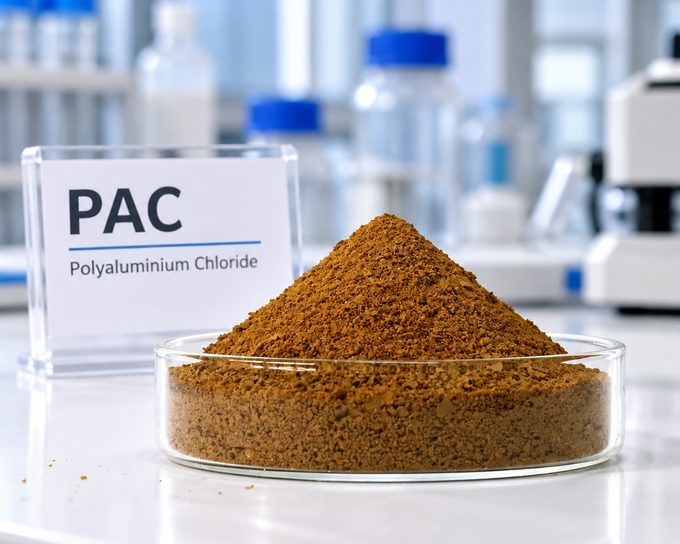
Industrial Grade Poly Aluminium Chloride (PAC) is a cost-effective coagulant for municipal sewage and industrial wastewater treatment, available in multiple Al₂O₃ grades to meet different treatment needs.

High purity white PAC powder for water purification and wastewater treatment applications.